Thymus Mystery: Unveiling Hidden Immune Realms in Myasthenia Gravis
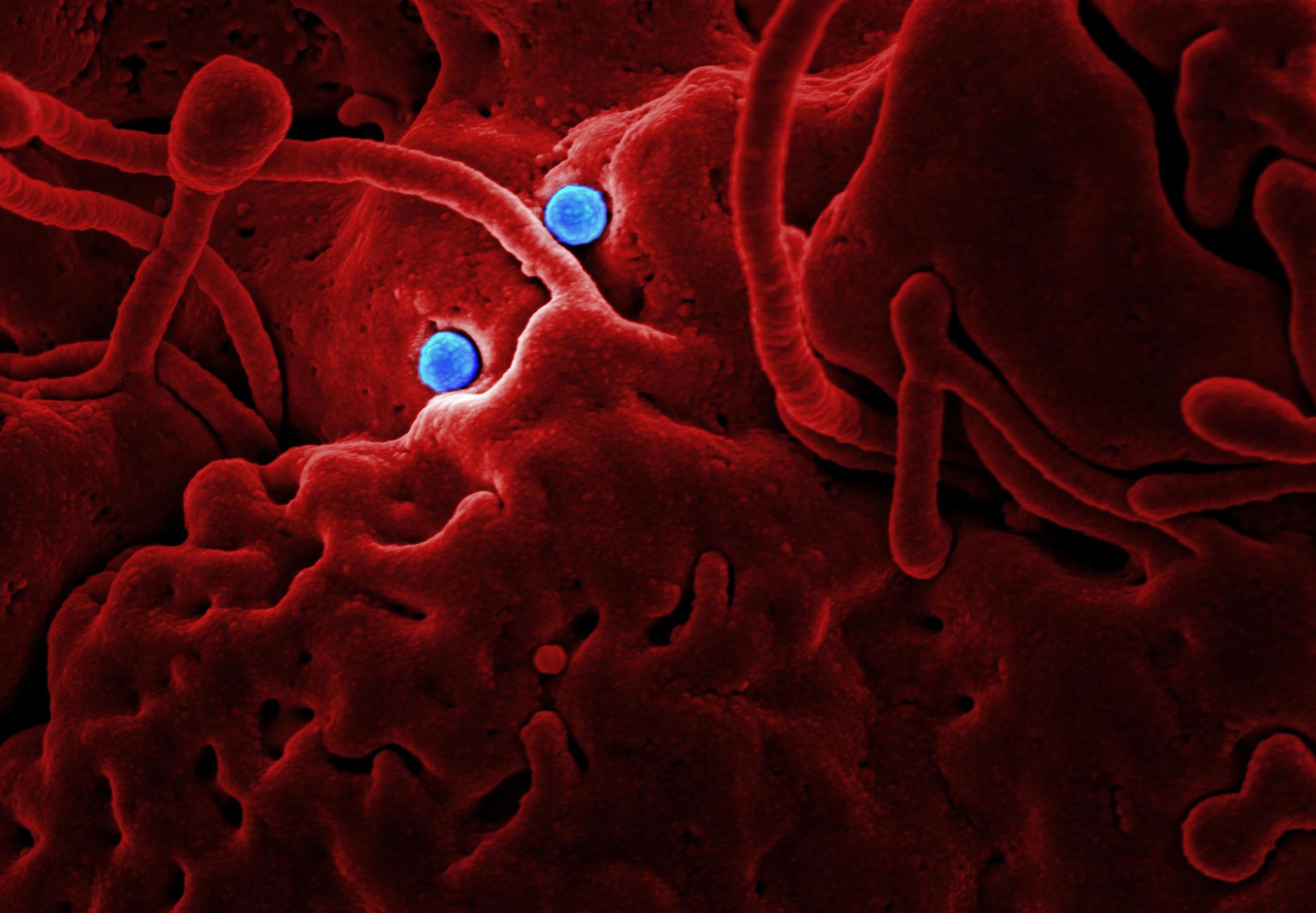
In the hushed corridors of medical research, a new revelation has emerged from the enigmatic thymus gland of myasthenia gravis patients. This recent study has uncovered a hidden immune environment, providing fresh insights into an autoimmune condition that has long bewildered scientists.
Myasthenia gravis (MG) is a chronic disorder where the body's immune system mistakenly targets the neuromuscular junction, the critical communication point between nerves and muscles. This miscommunication often results in debilitating muscle weakness and fatigue. For years, researchers have sought to untangle the complexities of this disorder, particularly focusing on the thymus gland, a central player in immune development.
The Thymus: A Crucial Player
The thymus is known to be a site of immune sensitisation in MG, particularly in cases where antibodies against the acetylcholine receptor (AChR) are involved. The latest findings point to a clonal heterogeneity of thymic B cells in patients, suggesting an intricate immune landscape within the gland. Notably, even in seronegative patients, where traditional antibodies are undetectable, the thymus appears to play a pivotal role.
Researchers have also identified over-expression of Toll-like receptor 4 (TLR4) in MG thymuses, hinting at its potential involvement in the disease's progression. This discovery could pave the way for novel therapeutic strategies, offering hope to those affected by this relentless condition.
Implications for Treatment
The implications of these discoveries are profound. By understanding the hidden immune environments within the thymus, scientists can begin to explore new treatment avenues that might modulate the immune response, rather than merely managing symptoms. This approach could revolutionise the way MG is treated, providing patients with more effective and sustainable relief.
As research continues, the medical community is keenly watching these developments, hoping they herald a new era in the management of autoimmune disorders. The thymus, once a mysterious organ, could soon become the key to unlocking the secrets of myasthenia gravis.