Titan's Furious Methane Deluges: More Ferocious Than Imagined
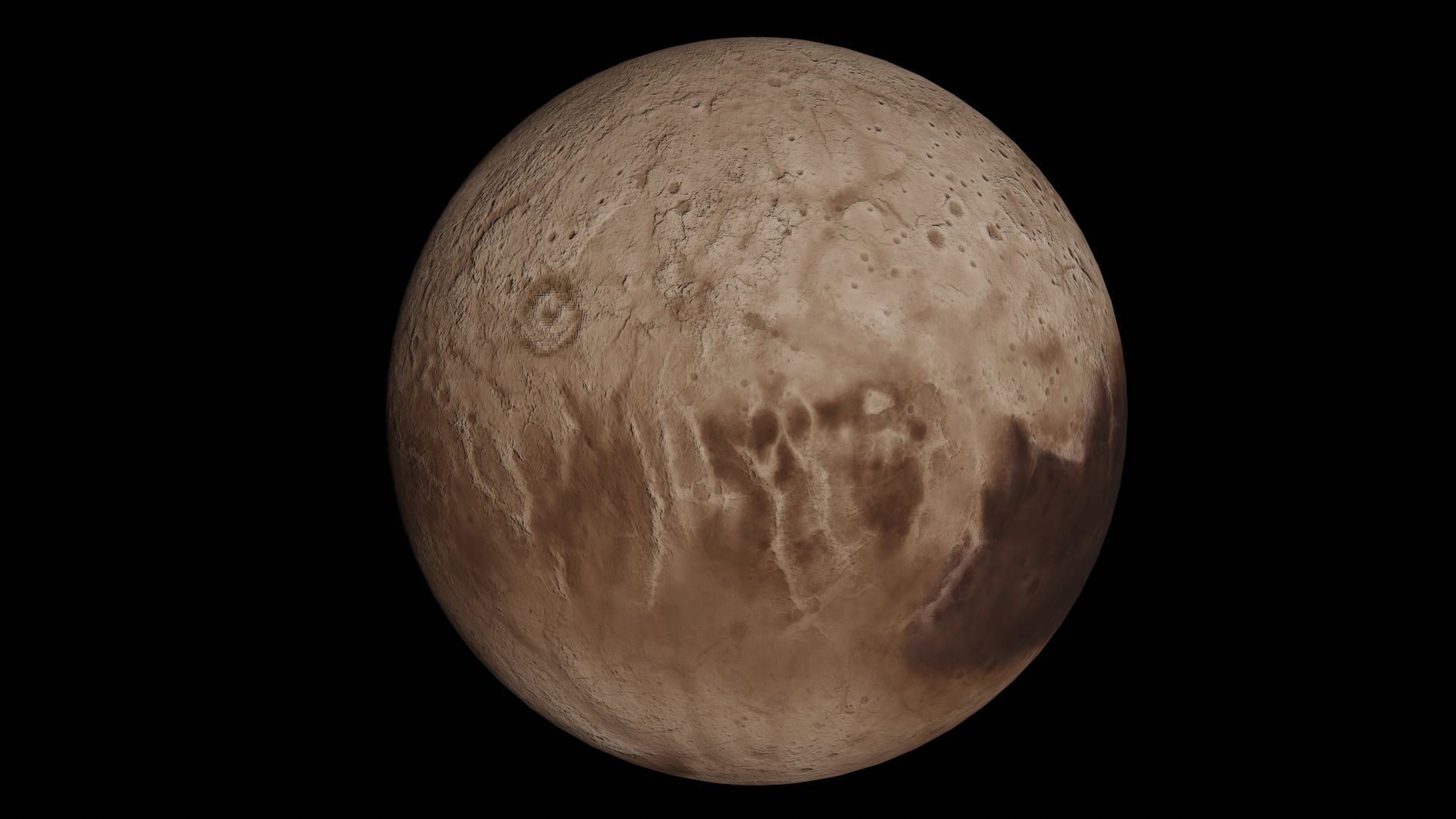
In the shadow of Saturn's rings, Titan lurks—a world enshrouded in mystery and methane. Recent research from the University of California, Los Angeles, has revealed a rather tumultuous secret: Titan's infrequent rainstorms are far more intense than scientists had initially envisaged.
The storms, though rare, unleash torrents of methane, carving and reshaping the moon's icy surface. These findings are based on painstaking observations made by planetary scientists and geologists, who have been meticulously studying Titan's atmospheric and surface dynamics.
Storms of Methane Fury
While Earth's storms are driven by water, Titan's are fuelled by methane—a gas that on our planet is merely a component of natural gas. On Titan, however, it forms clouds, rain, and even rivers and lakes. This methane cycle mirrors Earth's water cycle in a bizarre, otherworldly fashion.
These extreme weather events occur less than once every Titan year, equivalent to 29.5 Earth years. Yet, their ferocity has taken the scientific community by surprise. The storms are not just meteorological curiosities; they play a crucial role in shaping the moon's landscape, much like water does on Earth.
Impact on Titan's Surface and Chemistry
The ferocity of these storms can be attributed to the moon's unique atmospheric conditions. The storms arise from cloud convection in Titan's northern hemisphere, creating methane downpours that are both rare and severe. As researchers observe these phenomena, they also find that such climatic events are essential in understanding Titan's surface evolution.
Moreover, the moon's complex organic chemistry, driven by methane, offers tantalising clues about the processes that might have led to the origin of life on Earth. The presence of organic molecules, the building blocks of life, makes Titan a prime candidate for astrobiological studies.
As scientists continue to probe the mysteries of Titan, each discovery brings us a step closer to understanding not just this enigmatic moon, but also the broader cosmos. These revelations remind us that while Saturn's largest moon may seem alien, it shares surprising parallels with our own planet, offering a distant reflection of Earth-like processes in an extraordinary setting.