Titarpur's Ravana Effigies Reflect Delhi's Political Undercurrents
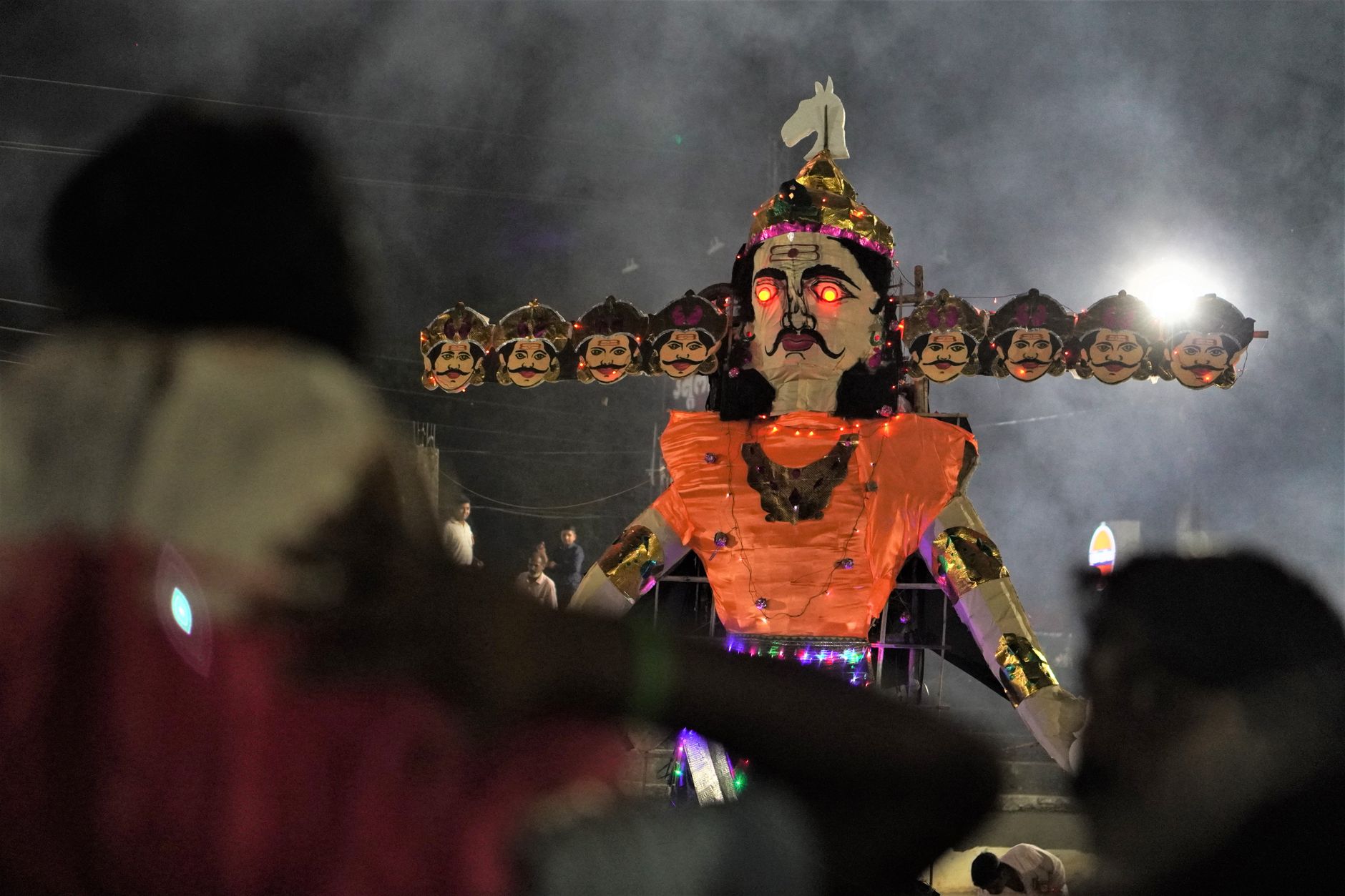
In the heart of Delhi's Titarpur, a village renowned for its annual construction of Ravana effigies, the air is thick with the scent of fresh paint and the hum of buzzing saws. As the craftsmen work tirelessly under the scorching October sun, they do more than merely prepare for Dussehra; they offer a visual commentary on the political pulse of the nation.
Amidst the vibrant chaos, these effigies, often towering over their creators, are taking on a life of their own. Their exaggerated features and fiery expressions are not mere artistic choices but emblematic of the politicians they subtly mimic. Each year, Ravana's visage becomes a canvas for the frustrations and hopes of the populace, reflecting the shifting tides of public sentiment.
The Craft and the Commentary
The tradition of crafting Ravana effigies in Titarpur dates back decades, a skill passed down through generations. Yet, in recent years, there's been a notable shift—not just in the size of the effigies but in their symbolic significance. "We try to capture the essence of the times," says one artisan, his hands stained with vibrant hues. "This year's Ravana might have ten heads, but they all speak of different issues plaguing us."
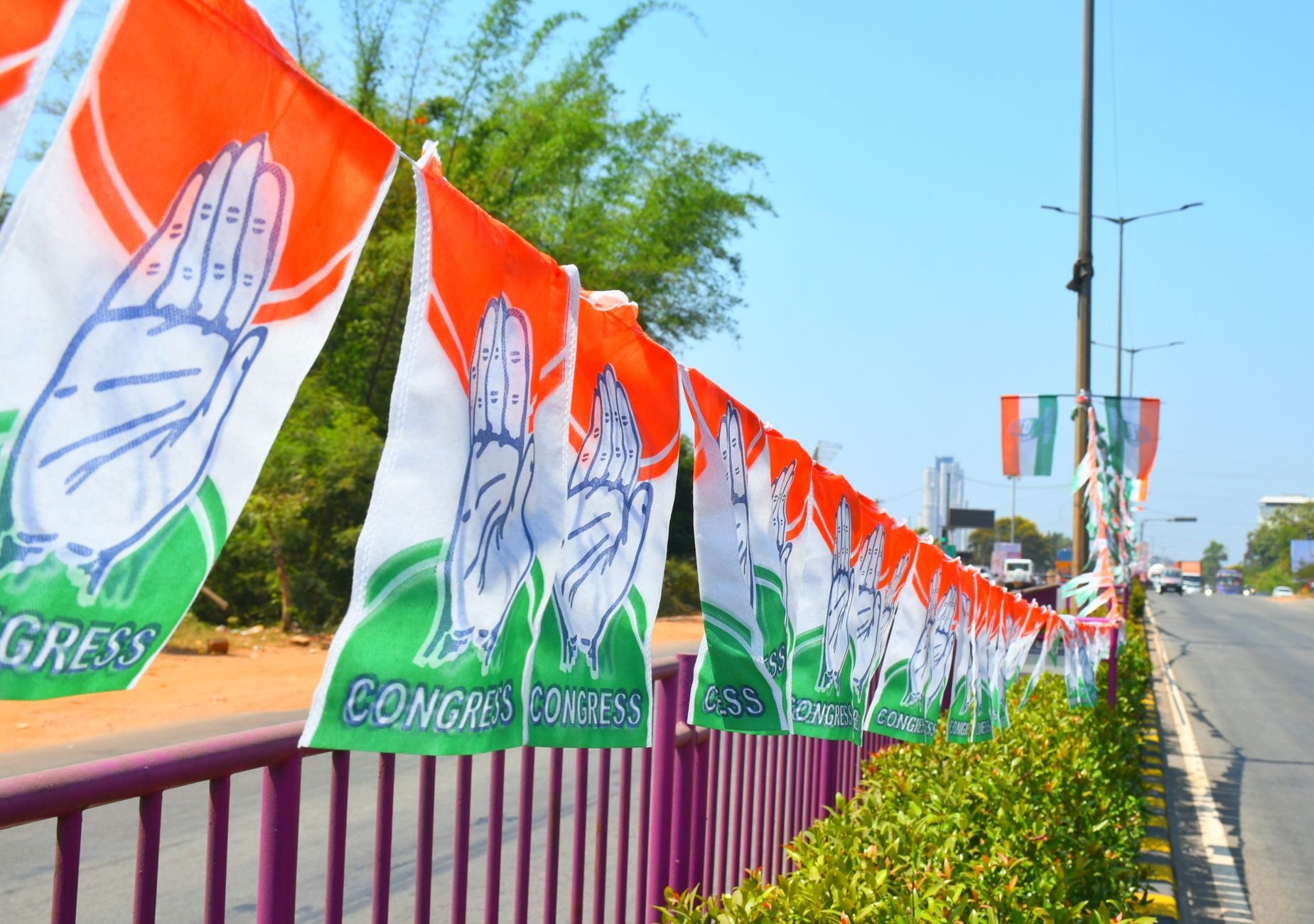
Indeed, the Ravana of Titarpur is no longer just the demon king of lore. His depiction echoes the discontentment with governance, the cries for reform, and the complex web of alliances that dominate the current political landscape.
A Reflection of Society
As Delhi prepares for the spectacle of Dussehra, where these effigies will be set alight in symbolic defeat of evil, the real story is not just about tradition. It is about the subtle messages these effigies carry. In a city where politics is as vibrant as its festivals, the Ravana of Titarpur stands as a testament to the power of art to mirror and critique society.
While the effigies eventually go up in flames, the debates they ignite remain, simmering beneath the surface of India's vibrant democracy. In Titarpur, the creation of Ravana is not just about mythological defeat but a poignant reflection of modern-day India, challenging its citizens to confront the demons within.