Toxic Waters in Uttar Pradesh: A Crisis Ignored
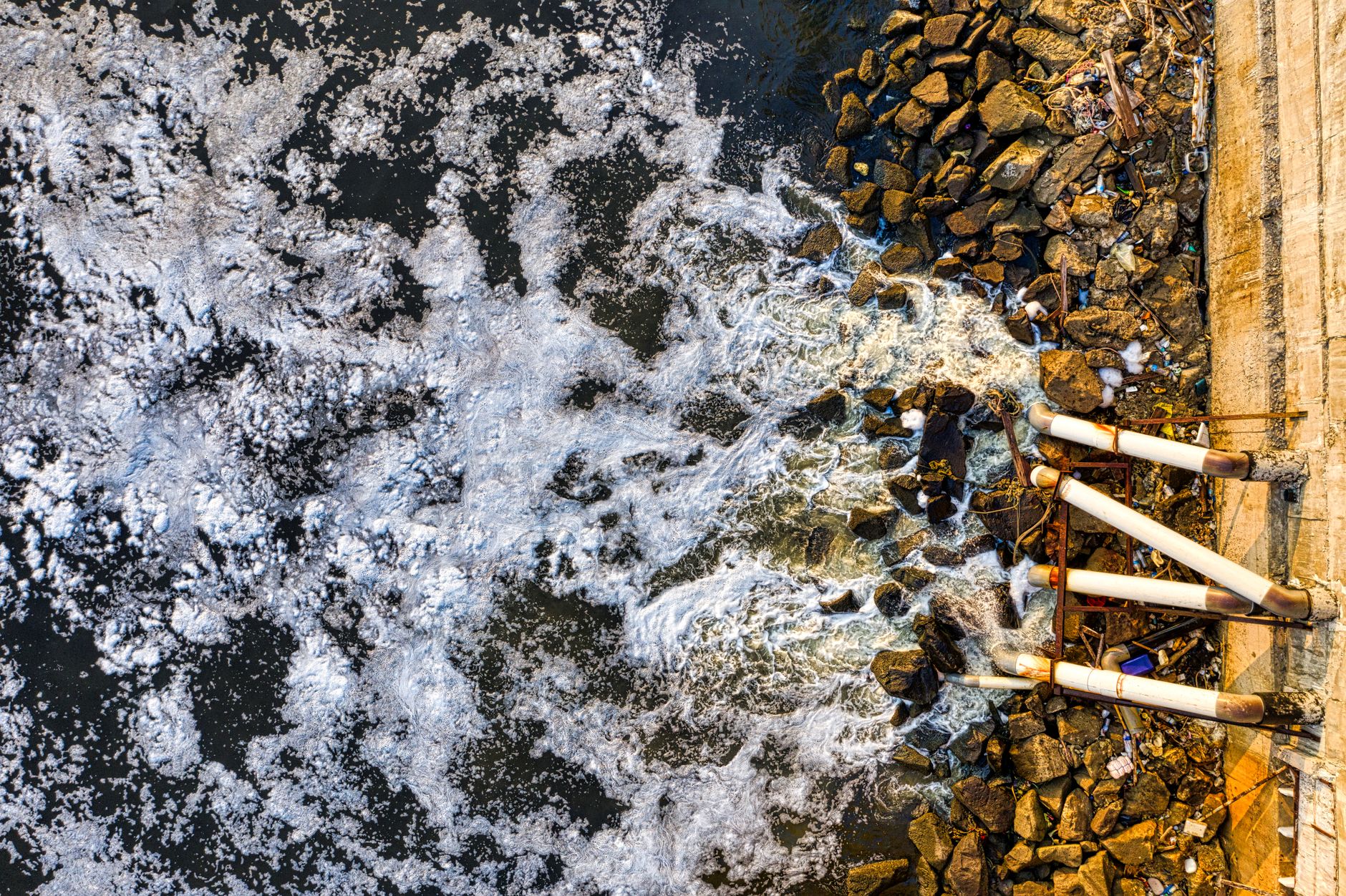
In the sun-baked village of Nagla Chandi, Uttar Pradesh, water is a source of life but also a bearer of disease. Here, the groundwater, once a reliable source for drinking and irrigation, is now tainted with chromium (VI), a toxic chemical linked to severe health issues. Residents report a litany of ailments, from persistent skin rashes to debilitating gastrointestinal disorders.
“It itches a lot,” says a local woman, pointing to the angry red welts that snake along her arms. She is not alone; many in her village suffer similar afflictions, a testament to the pervasive contamination.
Groundwater pollution in Uttar Pradesh is not a new phenomenon. For decades, the indiscriminate use of chemical fertilisers and pesticides, coupled with industrial effluents, has permeated the water table. Yet, the scale of the current crisis is unprecedented, affecting not just Nagla Chandi but numerous villages across the state.
The implications are grave. Contaminated water is a silent killer, undermining public health, stunting economic growth, and exacerbating poverty. Villagers, reliant on borewells for their daily water needs, have little recourse. Despite the evident dangers, government intervention remains sporadic and insufficient.
A Call for Action
Experts warn that without urgent action, the situation will deteriorate further. They call for stringent regulation of industrial discharge and agricultural practices, alongside the implementation of effective water purification systems. Public awareness campaigns are also crucial, educating communities about the risks and encouraging safer water usage practices.
For now, the villagers of Nagla Chandi and other affected areas can only hope that their cries for help will not fall on deaf ears. The health of future generations depends on it.