Tragedy in Shanghai Sparks Debate on Gene-Editing Ethics
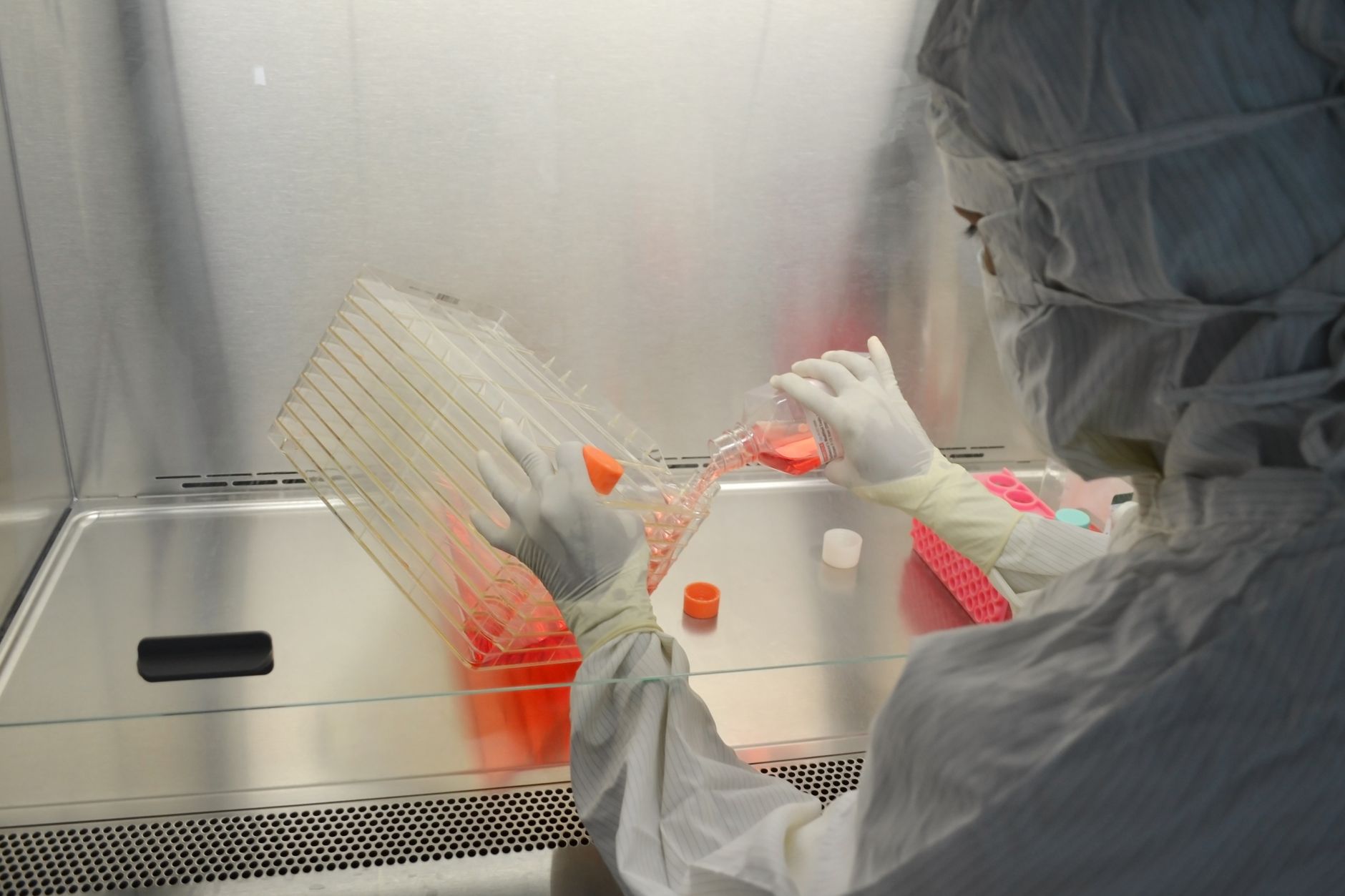
The untimely death of a six-year-old girl during a gene-editing clinical trial in Shanghai has cast a long shadow over China's burgeoning biotechnology sector. This tragic incident, which occurred as part of an experimental treatment for a neurodevelopmental syndrome, has raised significant ethical and regulatory questions.
The trial in question was part of an ambitious programme aimed at positioning China at the forefront of genetic research. However, the girl's death has starkly highlighted the human cost of rapid scientific advancement without adequate regulatory frameworks. Critics argue that the pace at which China's biotechnology industry is expanding has far outstripped its ethical oversight, leaving participants in clinical trials vulnerable.
Gene-editing, a technology that holds the promise of curing previously untreatable genetic disorders, remains a contentious field. The ability to alter the human genome is fraught with ethical dilemmas, not least because of the potential for unintended consequences. In the case of the Shanghai trial, it appears that the regulatory oversight was insufficient to prevent such a dire outcome.
Regulatory Challenges
China's rapid ascent in the biotech arena, particularly in gene-editing, is partly driven by a desire to lead globally in scientific innovation. Yet, this ambition has unveiled a glaring gap in regulatory mechanisms. The tragic event has prompted calls from within and outside China for enhanced transparency and stricter oversight of clinical trials.
While the country has made strides in developing new technologies, the balance between innovation and ethical responsibility remains precarious. As the international community watches, the pressure mounts on Chinese authorities to implement robust regulatory measures that protect participants without stifling scientific progress.
Global Implications
The implications of this incident extend beyond China's borders. As gene-editing becomes a more prevalent tool globally, it serves as a reminder of the ethical responsibilities that accompany scientific capabilities. The death of the young girl in Shanghai is a poignant reminder of the human cost that can accompany scientific breakthroughs, urging a reevaluation of how such trials are conducted worldwide.