Tragic Death in China Sparks Debate on Gene-Editing Ethics
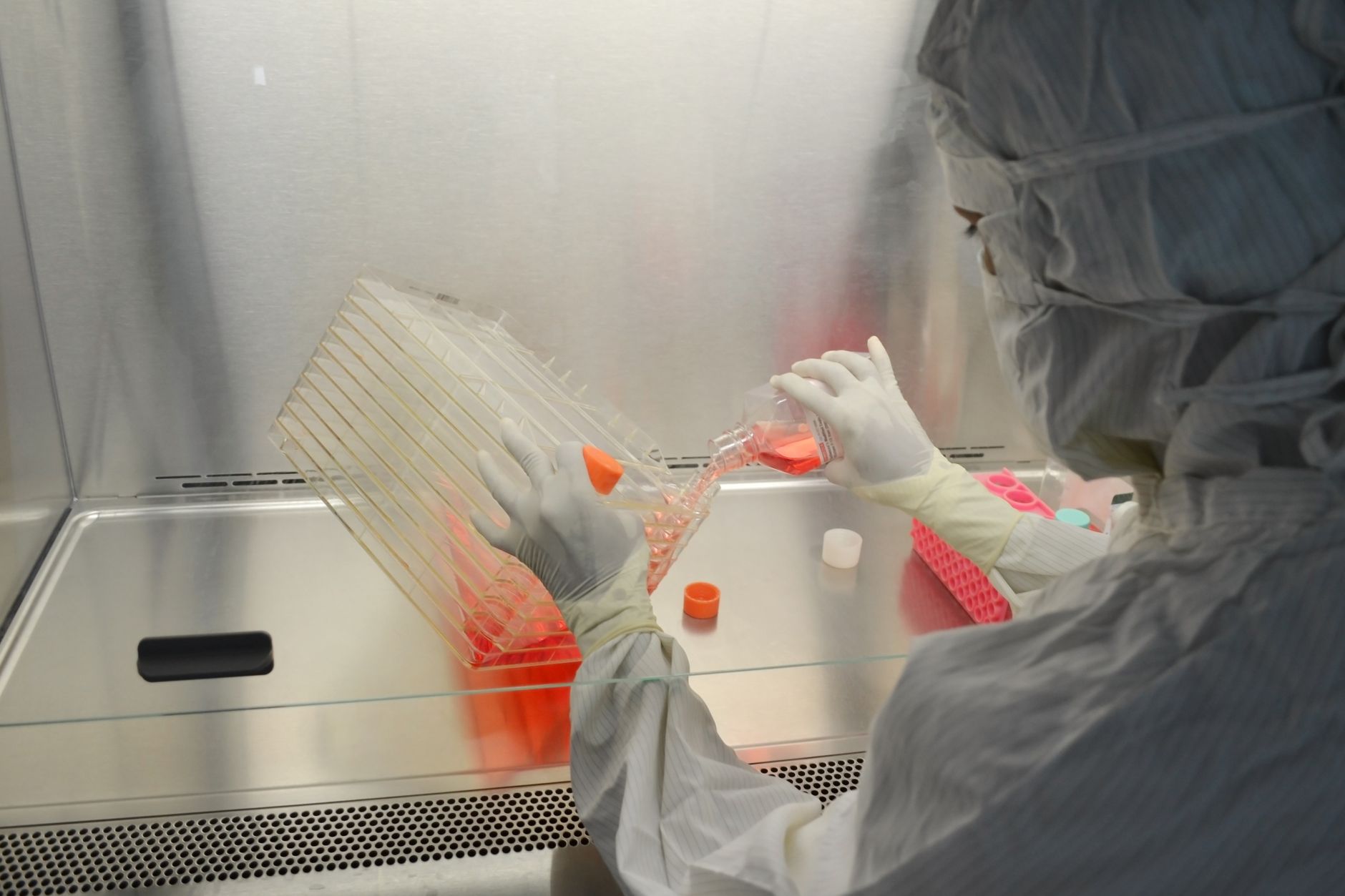
In the quiet corridors of a hospital in southern China, a tragic story unfolded that has reignited global debates on the ethics of gene-editing. A six-year-old girl, whose name is withheld to protect her family's privacy, succumbed to complications following participation in an unregulated gene-editing trial. Her death, untimely and heart-wrenching, has become a focal point in the ongoing dialogue about the human cost of pioneering scientific endeavours.
The trial, conducted without the stringent oversight typically associated with medical research, aimed to correct a genetic defect. However, the absence of comprehensive regulatory frameworks to govern such experiments has left a void, where scientific curiosity can sometimes outpace ethical considerations.
The Ethical Dilemma
Gene-editing technology, particularly CRISPR-Cas9, holds immense promise for treating genetic disorders. Yet, its potential to alter the human genome raises profound ethical questions. The technology's capability to edit genes with precision also carries the risk of unintended consequences, as was tragically illustrated in this case. Critics argue that without proper regulations, such trials could become a modern-day Pandora's box.
In China, regulatory guidelines for gene-editing remain less established compared to Western countries, where debates around ethical practices in genetic research have been more robust. This disparity highlights the urgent need for international collaboration in establishing guidelines that prioritise human safety over scientific ambition.
A Call for Global Standards
The girl's death has prompted calls from scientists and ethicists alike for an international approach to gene-editing regulations. Such standards would not only safeguard participants in these trials but also ensure that the pursuit of scientific knowledge does not come at the expense of human life. As gene-editing technology continues to advance, the balance between innovation and ethics becomes ever more precarious.
Ultimately, this tragedy serves as a sobering reminder of the human cost that can accompany scientific progress. It challenges the scientific community to consider the ethical implications of their work and to develop a framework that protects the most vulnerable from unintended harm.