Tragic Death in China Sparks Urgent Debate on Gene-Editing Ethics
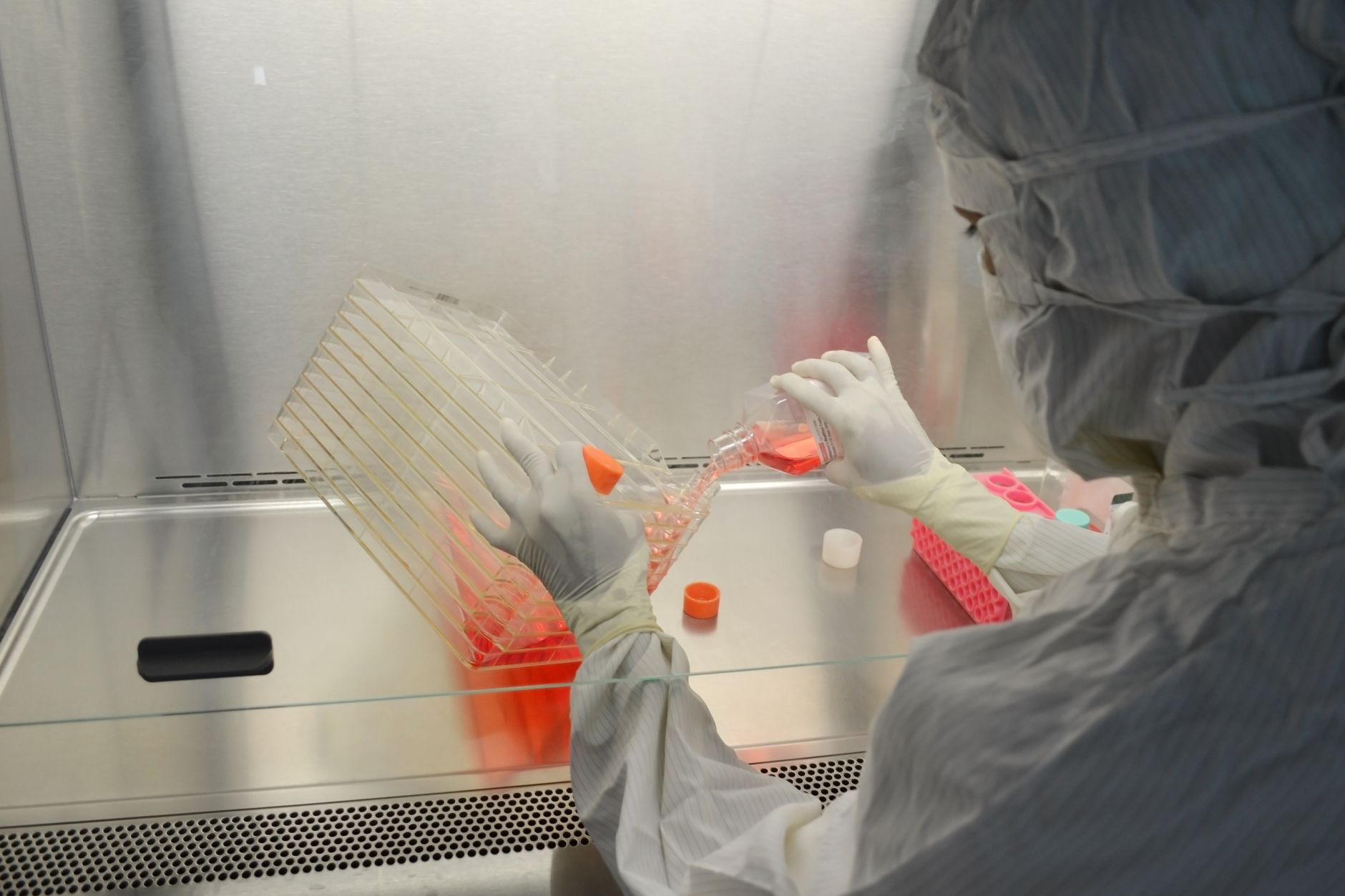
In a deeply unsettling episode, the death of a six-year-old girl in Shanghai has brought the precarious balance between scientific innovation and ethical restraint into sharp focus. The girl, who was part of an experimental gene-editing trial, succumbed to unforeseen complications, raising urgent questions about the oversight—or lack thereof—in China's burgeoning biotechnology sector.
Neuroscientist Zilong Qiu, the architect of the gene-editing treatment, had previously expressed unwavering confidence in its safety. Yet, the tragic outcome has cast a long shadow over both his assurances and the broader scientific community's push for rapid progress. The incident, which was not initially disclosed to the public, has ignited a fierce debate over the ethical implications of such trials, where human lives are at stake.
Ethical Concerns and Regulatory Gaps
The ethical concerns surrounding gene-editing are not new, but this latest incident underscores the urgent need for robust regulatory frameworks. While China's commitment to advancing its biotechnology capabilities is undeniable—propelled by significant funding and state support—the pace of innovation has outstripped the regulatory mechanisms designed to ensure safety.
Critics argue that the absence of stringent oversight not only endangers participants but also undermines public trust in scientific advancements. The lack of transparency in the aftermath of the girl's death has further fuelled scepticism, with calls for comprehensive reforms to safeguard ethical standards in scientific research.
The Human Cost of Unchecked Progress
The death in Shanghai is a stark reminder of the human cost associated with unchecked scientific progress. As nations race to be at the forefront of biotech innovation, there is a growing need to balance ambition with caution. The case underscores the importance of prioritising patient safety and ethical considerations over the allure of technological breakthroughs.
Internationally, this incident may prompt a reevaluation of how gene-editing trials are conducted and regulated. It serves as a sobering lesson that in the quest for knowledge, the welfare of individuals must remain paramount.