Trailblazing Physicists Win Prize for Unveiling Altermagnetism
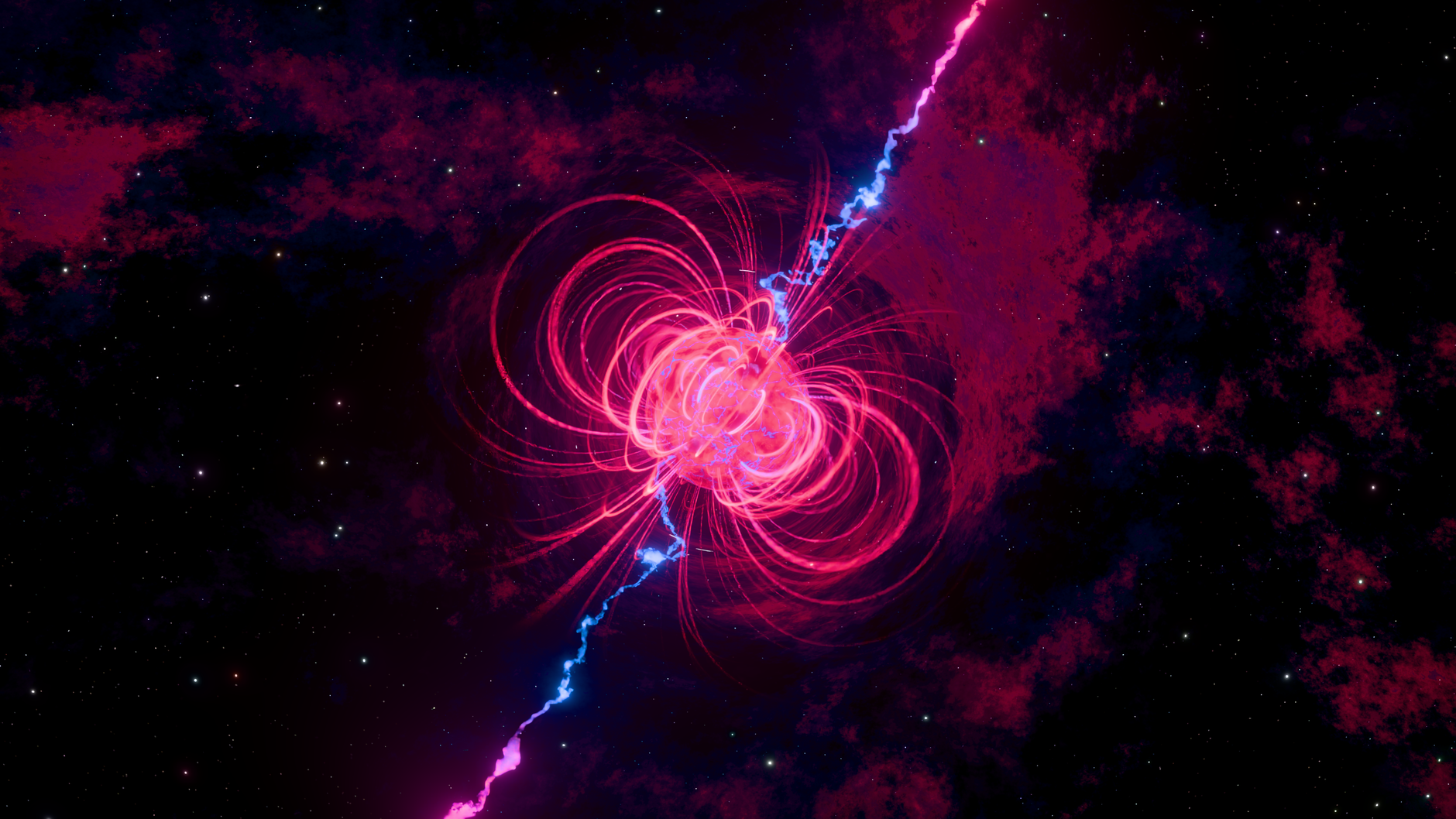
In the esoteric world of physics, where the invisible forces of nature are untangled and understood, a new chapter has been written. Physicists Tomas Šmejkal, Jairo Sinova, and Tomas Jungwirth have been honoured with the Europhysics Prize for their pioneering discovery of altermagnetism—a third, enigmatic form of magnetism.
Altermagnetism joins the ranks of its more established counterparts: the well-known ferromagnetism, which keeps compass needles pointing north and souvenirs clinging to fridges, and the elusive second form of magnetism, which garnered a Nobel Prize merely for its theoretical prediction. Yet, altermagnetism is not merely a new addition to the magnetic family; it could herald a significant shift in technological applications.
A New Magnetic Era
Altermagnets, as they are called, possess unique properties that could revolutionise fields such as computer memory and artificial intelligence. The trio of scientists demonstrated the control of this form of magnetism by manipulating tiny magnetic whirlpools within an ultra-thin wafer of manganese telluride. This breakthrough suggests the potential for more efficient data storage and processing technologies, perhaps even leading to innovations that could redefine the way machines learn and process information.
The Europhysics Prize, awarded since 1975, recognises outstanding achievements in condensed matter physics, particularly those that have significantly propelled the field forward. This year's recipients have done just that, with a substantial portion of their research conducted within European borders, showcasing the continent's continued influence in cutting-edge scientific discovery.
Implications for the Future
While the discovery of altermagnetism is a leap forward in understanding magnetic phenomena, it also opens the door to numerous possibilities in both theoretical and applied physics. The ability to control magnetic states at such a minute scale could lead to technologies that are not only faster and more efficient but also more environmentally sustainable, a crucial consideration in today's rapidly evolving technological landscape.
As the scientific community delves deeper into the properties and potential applications of altermagnetism, the work of Šmejkal, Sinova, and Jungwirth stands as a testament to the power of curiosity-driven research. Their achievement not only enriches the field of condensed matter physics but also inspires the next generation of scientists to explore the unknown, where the next big discovery might just be lurking.