Trailblazing Women Sweep the 'Green Oscars'
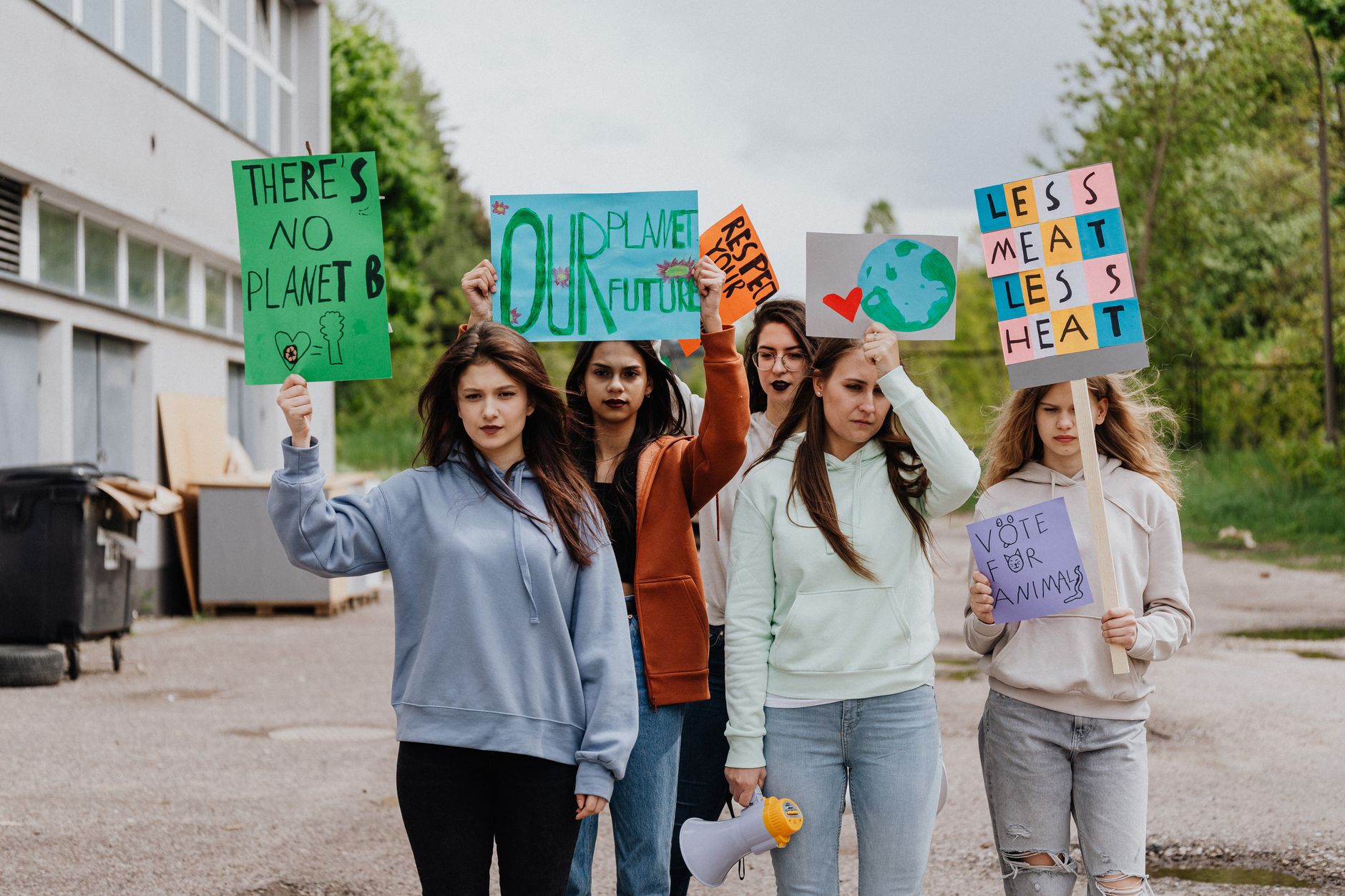
In an era where environmental challenges are as pressing as ever, the 2026 Goldman Environmental Prize has marked a historic first by awarding all six of its honours to women. Often dubbed the 'Green Oscars', this prestigious accolade has, for the first time since its inception in 1989, recognised only women for their outstanding contributions to environmental activism.
Hailing from diverse corners of the globe, these women have not only championed the planet’s cause but have also shone a spotlight on the critical issues afflicting their respective regions. From tackling climate change through legal avenues to safeguarding endangered species, their efforts are as varied as they are vital.
A Global Battle for the Planet
The winners represent six contiguous land regions, embodying a truly global effort. In South America, one recipient has fought vehemently against illegal deforestation, standing firm against powerful corporate interests. Meanwhile, in Africa, another has mobilised local communities to combat the devastating effects of mining, protecting both the environment and the indigenous way of life.
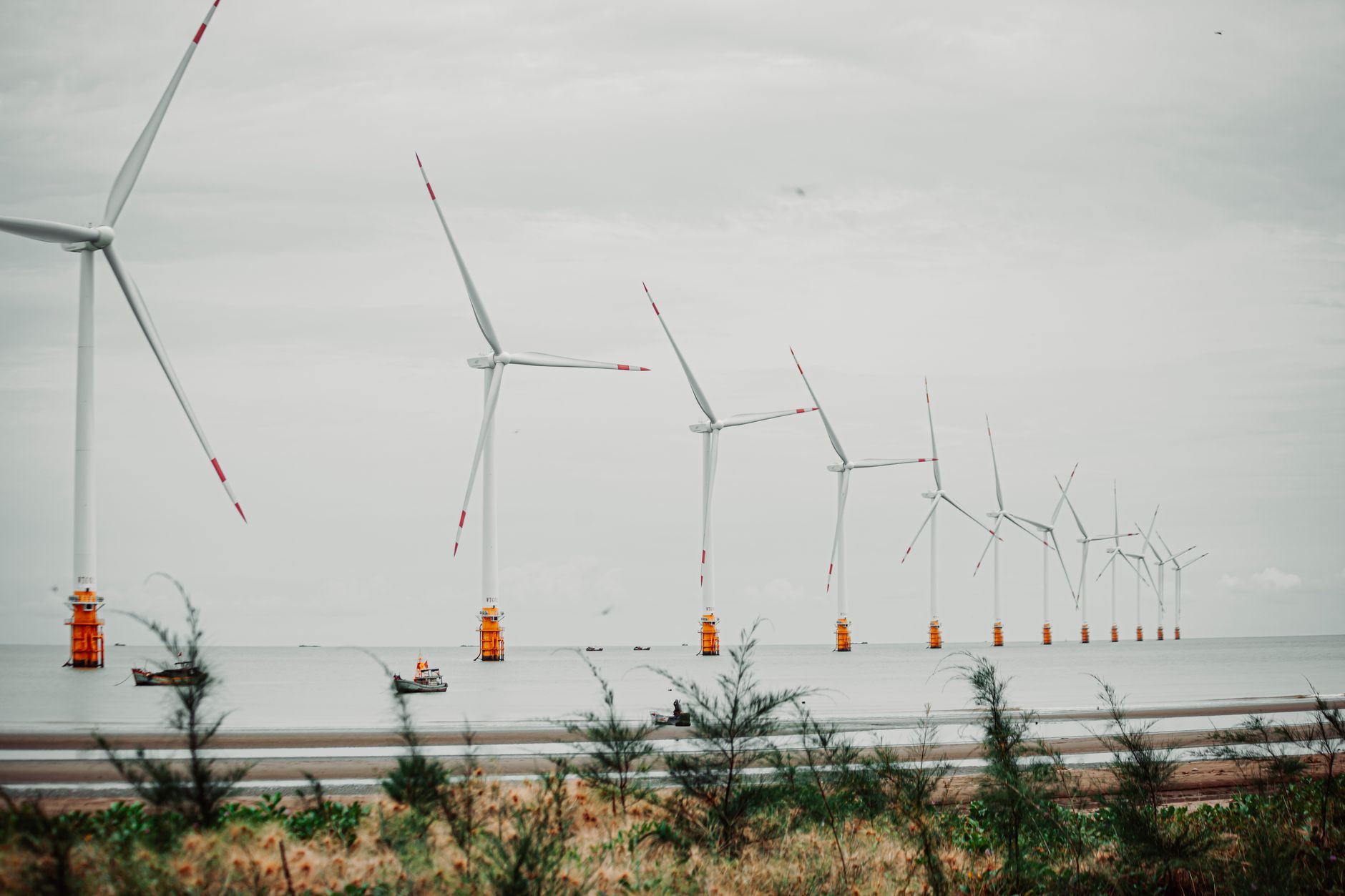
Asia’s laureate has been pivotal in advancing renewable energy initiatives, proving that sustainable solutions can be both economically viable and environmentally sound. In North America, the focus has been on strategic litigation to hold polluters accountable, a move that has set a precedent for environmental justice.
Women Leading the Charge
This year’s awards are more than just a recognition of individual achievements; they are a testament to the growing influence of women in the sphere of environmental activism. Traditionally dominated by men, this field is increasingly seeing women at the forefront, driving change and inspiring future generations to take up the mantle.
The collective achievements of these six women serve as a powerful reminder of the potential for grassroots movements to instigate significant change. As the world grapples with the complexities of environmental degradation, their stories offer a beacon of hope and a call to action for continued advocacy and reform.