Transmissible Cancer Discovered in Fish: A Scientific Breakthrough
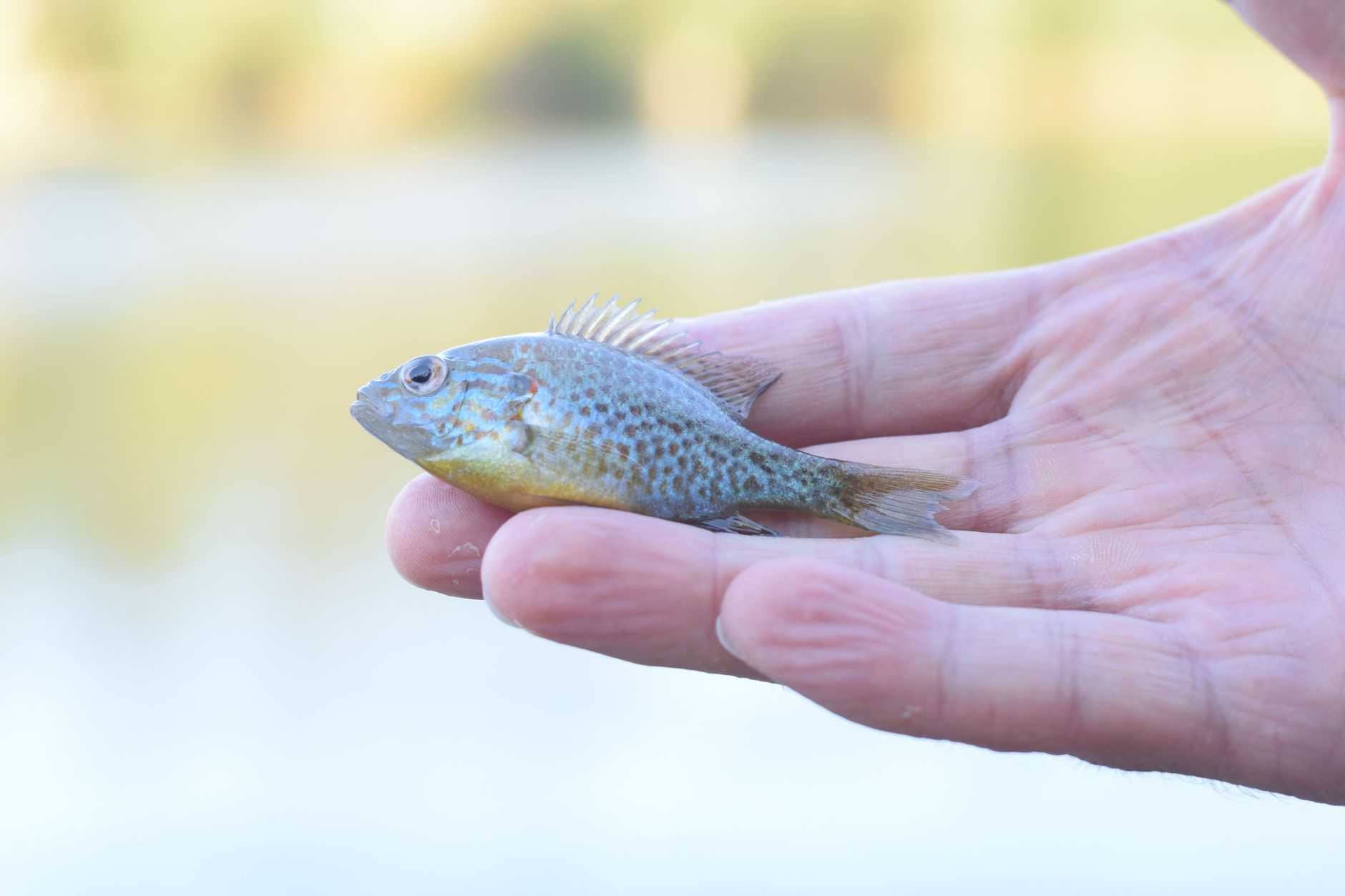
In the usually tranquil waters of a Vermont lake, scientists have stumbled upon a startling discovery. A transmissible melanoma has been found in brown bullhead fish, marking the fourth known instance of a naturally occurring transmissible cancer. This is the first time such a phenomenon has been observed in fish, adding a new chapter to our understanding of cancer in the animal kingdom.
An Unusual Occurrence
Transmissible cancers are an anomaly in nature, with only three other known types prior to this discovery. These include the Tasmanian devil's facial tumour disease, a venereal tumour in dogs, and a leukaemia-like disease affecting clams and mussels. The discovery in catfish is particularly intriguing as it demonstrates the existence of such diseases in aquatic environments, expanding our understanding of how cancer can spread in nature.
The melanoma in question spreads as a single clonal cell line, moving from one fish to another, seemingly indifferent to the boundaries of individual organisms. This finding, while fascinating, poses no threat to humans, as the mechanisms of transmission differ vastly between species.
Implications for Science
This discovery could reshape our understanding of cancer's evolution and adaptability. Scientists are now prompted to consider the possibility of undiscovered transmissible cancers in other aquatic species or even in entirely different environments. Such findings could have profound implications for evolutionary biology and ecology, challenging existing theories about disease transmission and species interaction.
Moreover, this new understanding might offer insights into human cancers, albeit indirectly. By studying how these cancers manage to evade immune defences and spread between individuals, researchers could uncover new strategies for cancer treatment and prevention in humans.
As research continues, one thing is clear: the Vermont lake has become a focal point for scientists eager to unravel the mysteries of transmissible cancers. This discovery not only enriches our understanding of disease dynamics in the wild but also opens new avenues for medical research and ecological studies.