Trump Administration's Quiet Stranglehold on Scientific Progress
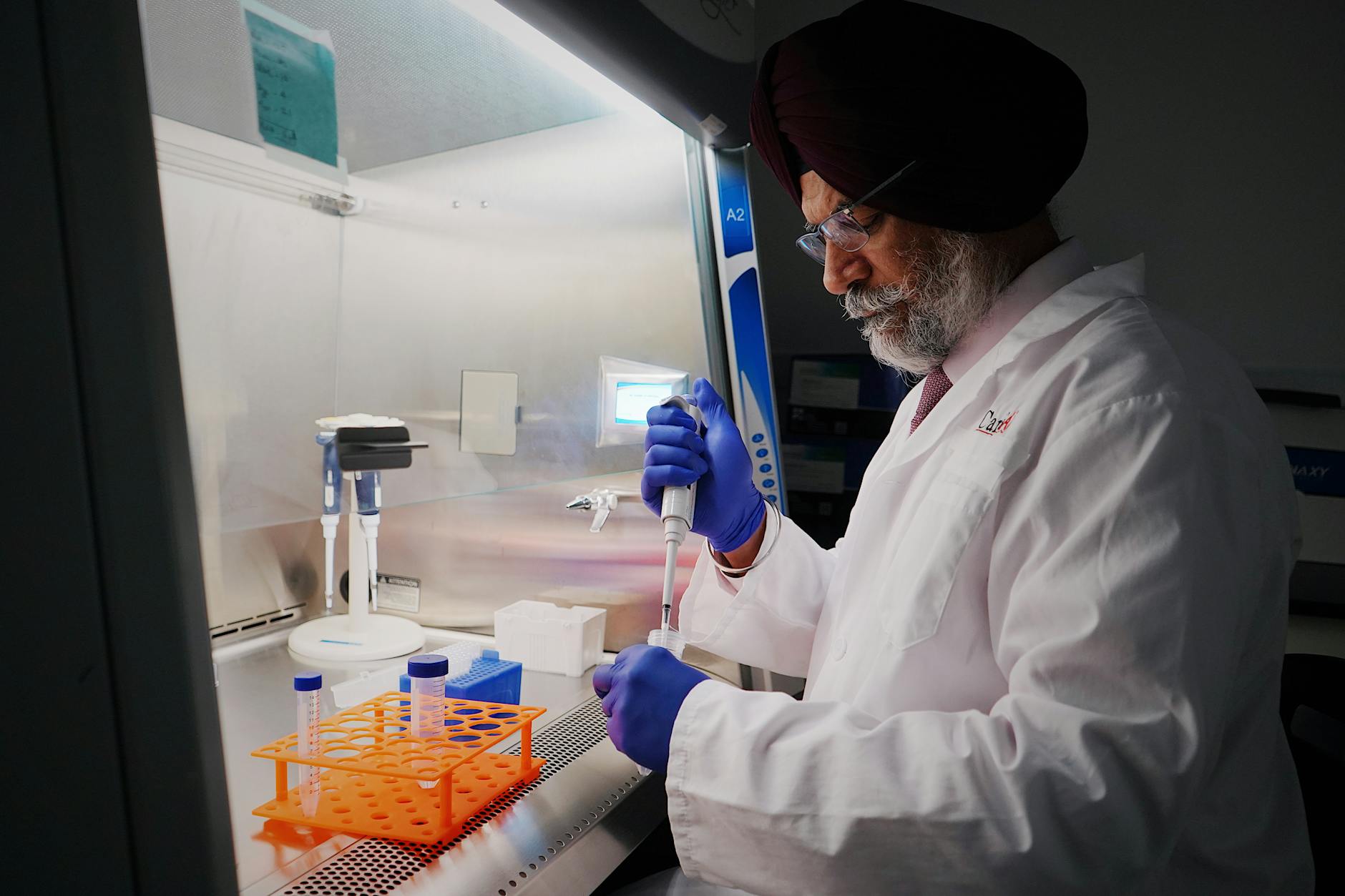
As the Trump administration finds itself in the crosshairs of controversy, researchers are raising alarms about a less publicised, yet deeply consequential, aspect of its governance: the stifling of scientific progress. Despite the apparent restoration of federal grants, scientists claim the administration is adeptly obstructing the flow of funds necessary for critical research.
While Trump officials cite the need for a thoughtful transition and comprehensive review of existing grants—particularly those issued under the Biden administration—critics argue this is merely a facade. They suggest the real motive is to muzzle scientific voices and exert control over the dissemination of information, especially in politically sensitive areas.
A Slow Strangle on Science
Dr Jay Bhattacharya, a recent Trump appointee to the National Institutes of Health (NIH), embodies the administration's influence over science. Confirmed only recently, his leadership marks a significant shift in the NIH's direction. However, researchers argue that such appointments are part of a broader strategy to rein in scientific discourse.
Many scientists describe the process as a 'slow strangulation', where the delay in grant disbursement leads to a paralysis of projects, particularly those addressing climate change, public health, and other critical areas. The consequences, they warn, are dire: prolonged research timelines, compromised data integrity, and ultimately, a setback in scientific innovation.
The Larger Picture
In the broader context, the Trump administration's approach has tested the resilience of scientific institutions. The purported 'war on science' has exposed vulnerabilities in policies meant to safeguard scientific integrity. As the dust settles, the need for a thorough investigation into these practices becomes increasingly apparent. Only by examining these failures can future administrations fortify the defences of scientific freedom.
As it stands, the battle between political influence and scientific truth continues. The outcome will shape not just the present, but potentially the future landscape of scientific inquiry in the United States.