Trump Honours Tech Titans with Top Science Awards
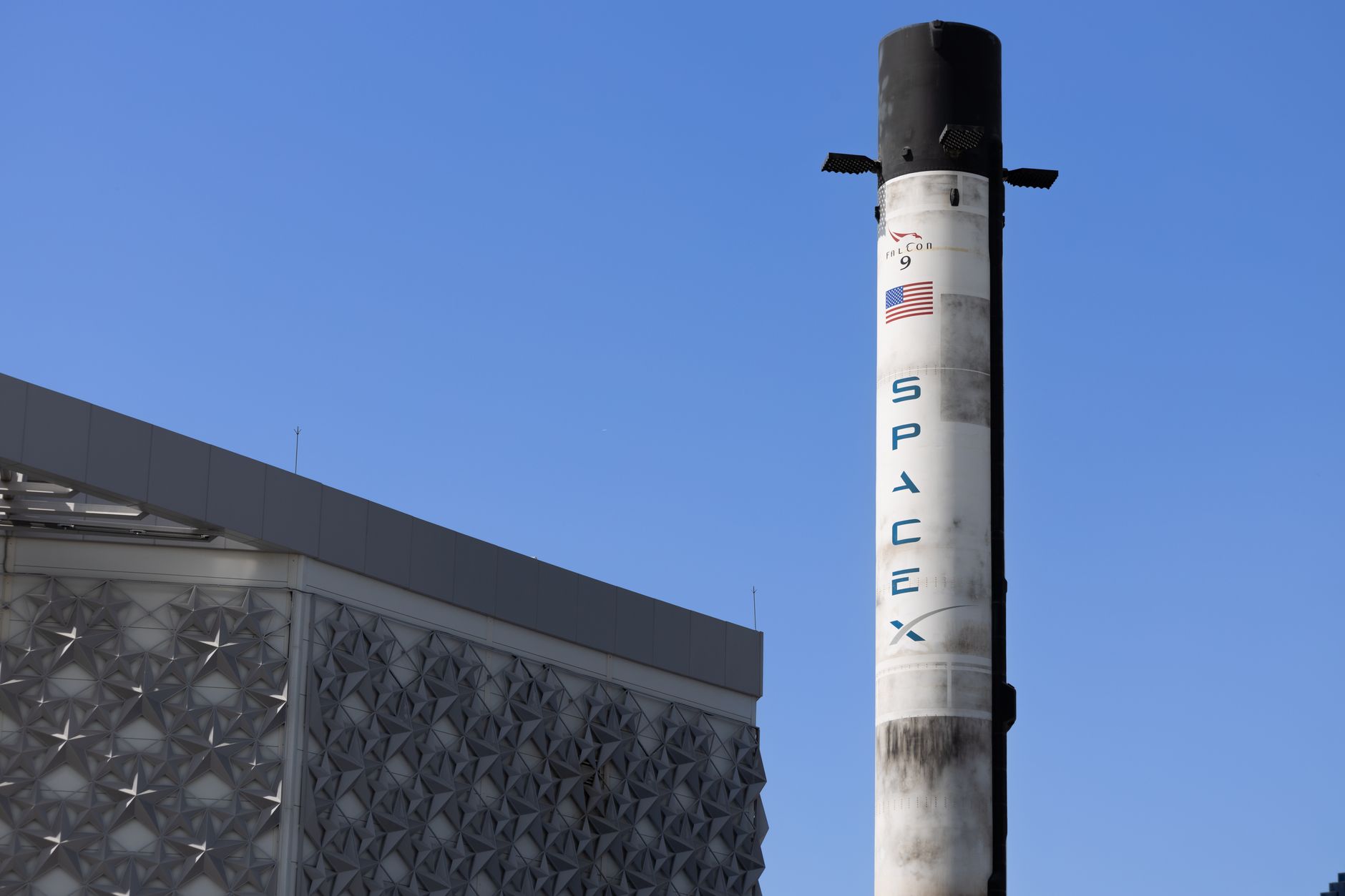
In a move that could be seen as both strategic and symbolic, President Donald Trump has honoured some of the tech world's most prominent figures with the National Medal of Science. Among the recipients was Elon Musk, the mercurial head of SpaceX, who was praised for his role in advancing space technology and sustainable energy solutions.
The ceremony, held at a science summit, was not merely an awards event but a stage for significant announcements regarding new funding for scientific research. The presence of other tech luminaries such as Nvidia's Jensen Huang, AMD's Lisa Su, and Google's Sergey Brin underscored the administration's commitment to fostering innovation through collaboration with tech giants.
While the awards celebrated individual achievements, the underlying message was one of partnership between the government and the technology sector. Trump's administration has often been criticised for its approach to science and technology, but this event was a clear nod to the importance of these fields in future economic and strategic planning.
An Era of Tech-Driven Growth
The awards come at a time when technological advancement is seen as crucial to maintaining the United States' competitive edge on the global stage. As countries like China invest heavily in AI and renewable energy, the US is compelled to bolster its own capabilities in these areas.
Elon Musk, already a household name for his ambitious projects, was a natural choice for recognition. His work with SpaceX has not only pushed the boundaries of space exploration but also sparked renewed interest in public-private partnerships in science.
However, the event was not without its critics. Some argue that awarding tech executives could be seen as an endorsement of their business practices, which have not always aligned with public interest. Others contend that the focus should be on scientists and researchers working outside the corporate sphere.
Implications for Science Policy
The administration's decision to highlight tech leaders in this manner could signal a shift in how science policy is shaped. By acknowledging the contributions of tech executives, the government may be looking to leverage their expertise to address broader scientific challenges.
In his remarks, Trump emphasised the role of innovation in addressing critical issues such as climate change, health care, and national security. Whether this event marks a genuine commitment to these causes or merely a strategic alignment with powerful industry leaders remains a topic of debate.
As the landscape of global technology continues to evolve, it is clear that the relationship between government and industry will be pivotal. The National Medal of Science awards ceremony could very well be a precursor to deeper collaborations aimed at harnessing the full potential of technological innovation.