Trump's 'AI Force': A New Frontier or Political Theatre?
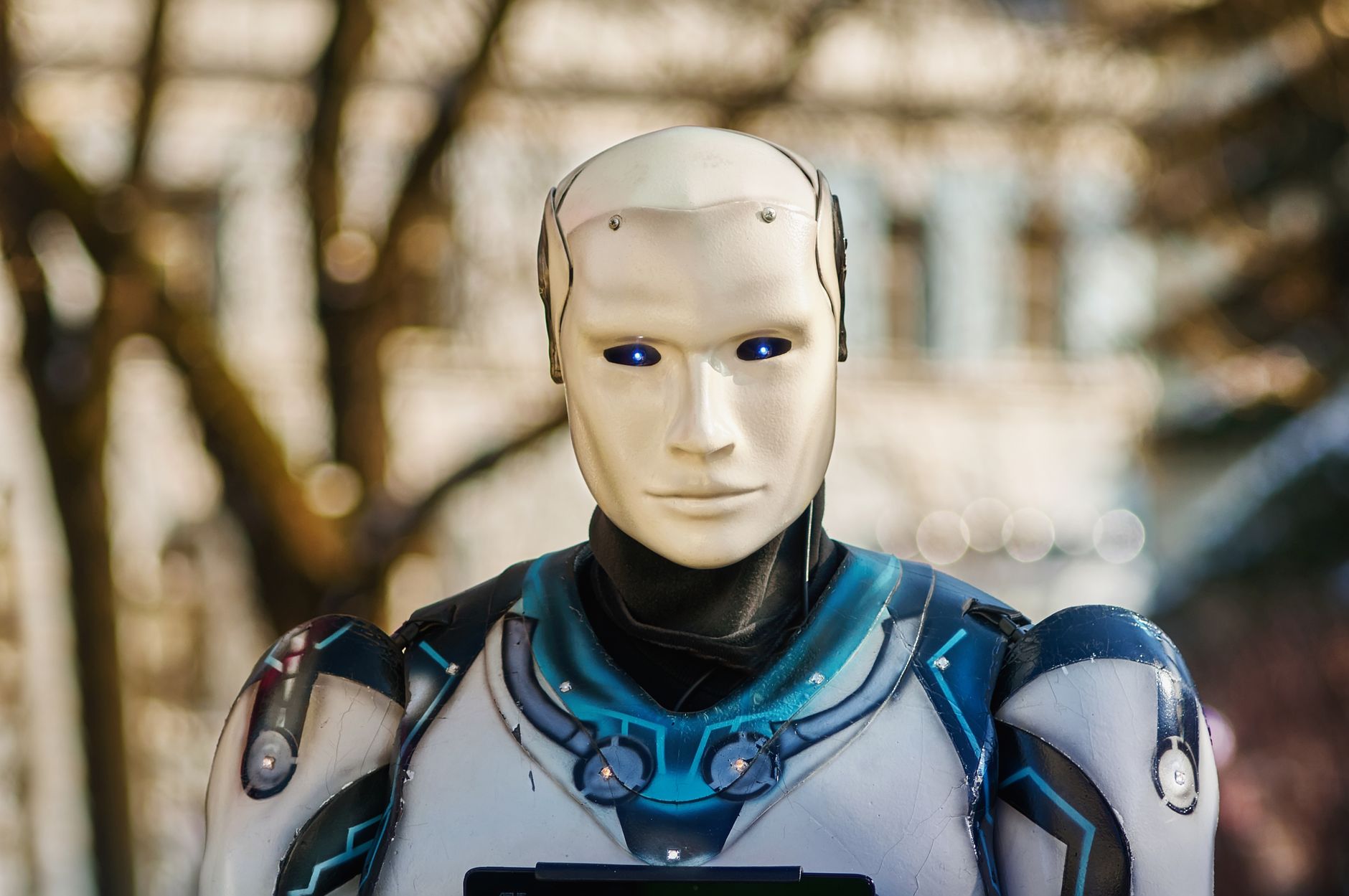
Donald Trump has never been one to shy away from grand gestures, and his latest announcement is no exception. With characteristic flair, the former president declared his intention to establish an 'AI Force', ostensibly to monitor the burgeoning field of artificial intelligence. It's an initiative that draws inevitable comparisons to his earlier creation of the Space Force, a branch of the military that many critics initially regarded as a vanity project.
The planned AI Force comes amid a flurry of warnings from industry leaders about the unchecked development of AI technologies. While luminaries in the field have sounded the alarm, urging governments to impose stricter controls, Trump has taken a markedly different stance. Writing on Truth Social, he dismissed fears of runaway AI as a 'hoax', suggesting instead that the real threat lay in hindering innovation through excessive regulation.
Political Theatre or Pragmatic Policy?
Trump's move to establish an AI Force may be seen by some as a bold attempt to ensure America's dominance in technological innovation. However, critics argue that it is little more than political theatre, a distraction from the real issues at hand. The appointment of an 'AI czar'—a role previously held by venture capitalist David Sacks—adds a layer of bureaucratic intrigue but offers little clarity on how this force will operate or be funded.
The concept of an AI czar, while novel, raises questions about the efficacy of such a role in a rapidly evolving field. Can one individual truly oversee the complexities of AI development, particularly when the industry is marked by both rapid advances and profound ethical dilemmas?
Balancing Innovation and Regulation
The creation of an AI Force highlights the broader debate over how best to balance technological innovation with necessary regulation. On one hand, unchecked AI development poses risks that could fundamentally alter societies. On the other, heavy-handed regulations might stifle creativity and economic growth.
As the world grapples with these dilemmas, Trump's announcement serves as a reminder of the challenges inherent in governing technology. Whether the AI Force will become a meaningful entity or remain a footnote in political history remains uncertain. What is clear, however, is that the conversation around AI and its governance is far from over.