Trump's Bold Hormuz Claim Amidst Inflation Easing
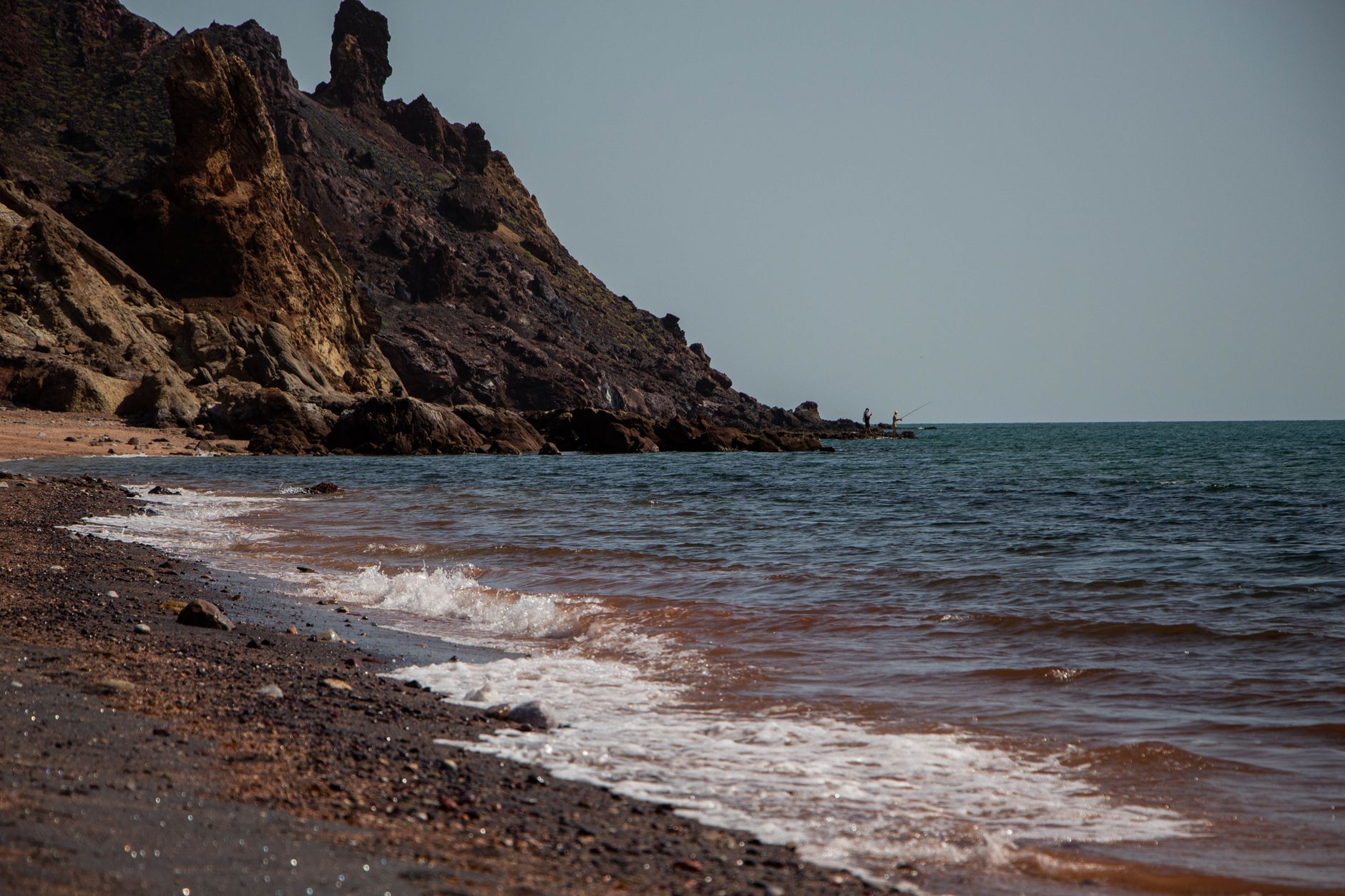
In a move that has stirred international waters, former President Donald Trump has declared that the United States maintains 'total control' over the Strait of Hormuz, a critical chokepoint for the global oil supply. Trump's assertion came amidst ongoing tensions with Iran, which claims the strait is effectively shut and will remain so unless the US meets its demands.
The Strait of Hormuz, a narrow waterway connecting the Persian Gulf to the Gulf of Oman, is a strategic passage through which approximately a fifth of the world's oil transits. Control over this maritime artery is a significant point of geopolitical tension, with both Washington and Tehran seeking leverage.
Trump's pronouncement of a 'Wall of Steel' blockade is part of a broader narrative to project American naval dominance. However, the reality on the ground—or rather, at sea—appears more complex. While US naval presence is formidable, Iran's continued defiance and the lack of significant commercial traffic through the strait suggest a more nuanced situation.
Meanwhile, back on American soil, there is a different kind of easing being discussed. Inflation in the United States has shown signs of slowing, offering some respite to consumers and policymakers alike. This economic development could potentially bolster Trump's position, as economic stability often translates into political capital.
Iran, on the other hand, remains undeterred by Trump's rhetoric. Tehran has criticised what it describes as 'fake news' concerning its economic conditions and military capabilities. Iran's leaders have been vocal about their stance, insisting that the Strait will remain closed until their conditions are acknowledged by the US.
The situation remains tense, with both nations holding their ground. As the world watches, the geopolitical chess game continues, with the Strait of Hormuz at its centre.