Turning Plastic Waste into Community Treasure
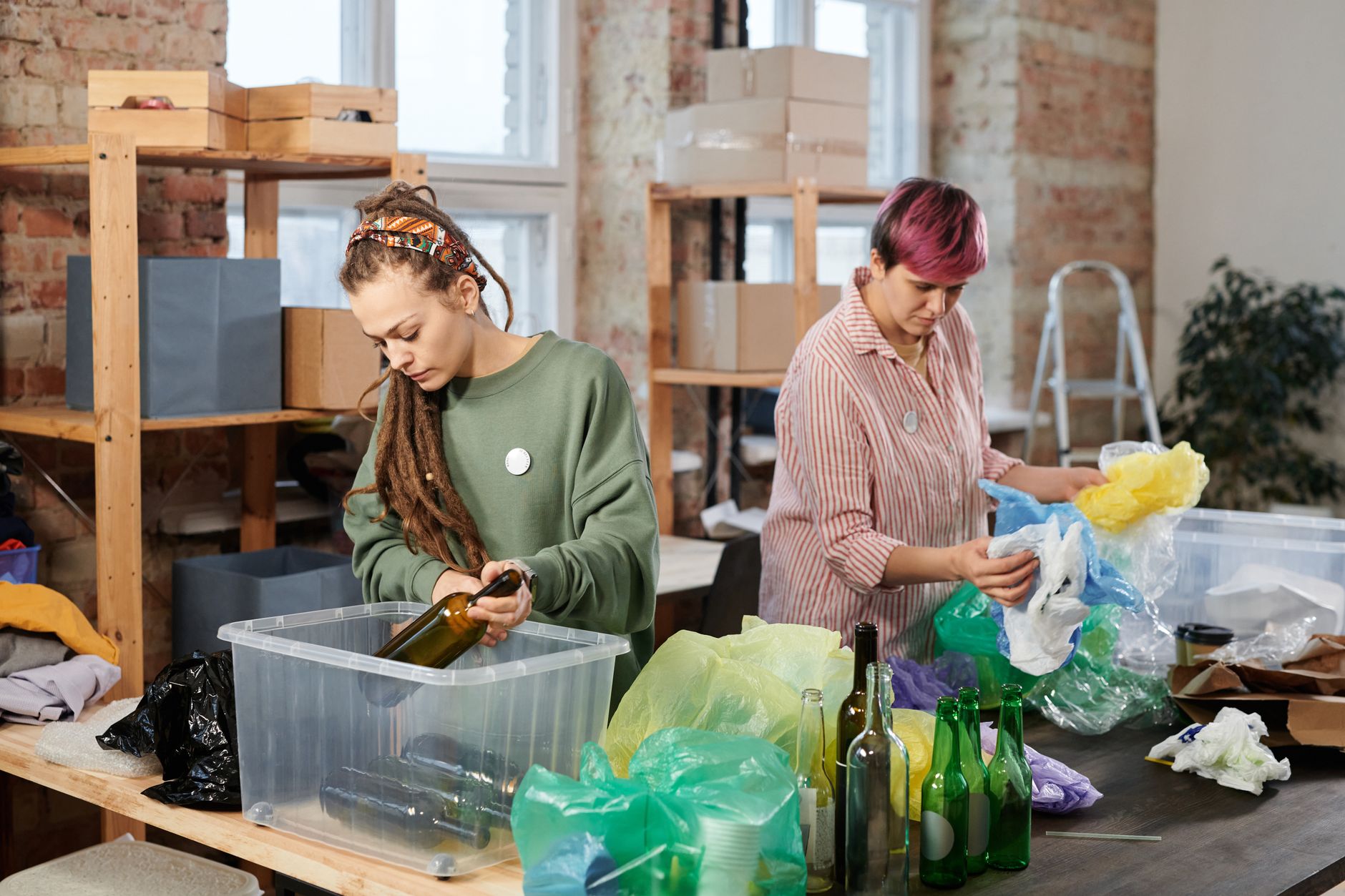
In the burgeoning neighbourhood of San Carlos, a quiet revolution is underway. A group of environmental enthusiasts, determined to address the scourge of plastic waste, have turned their attention to transforming refuse into resource. Their mission is simple yet profound: to sequester plastic waste and mould it into something useful before it can degrade and wreak havoc on the environment.
Central to their endeavour is the creation of 'ecobricks'. These are essentially plastic bottles densely packed with non-biodegradable waste, repurposed as robust building blocks. It's a concept that, while not a silver bullet for plastic pollution, extends the lifespan of the material in a manner that's beneficial, particularly to areas disproportionately affected by waste.
A Community Effort
The initiative, spearheaded by Peninsula Precious Plastics, represents a confluence of ideas and skills. It’s a vibrant community project that has drawn in locals, eager to contribute their time and energy. By engaging the community, this effort not only tackles environmental issues but also fosters a sense of collective responsibility and empowerment.
Participants are trained to assess the quality of plastics and polymers, ensuring that the materials used in their projects are suitable and safe. This careful evaluation is critical, as the durability and safety of the ecobricks depend on the type and condition of plastic used.
Beyond Waste Management
But why all this fuss over plastic bottles? The answer lies in the broader narrative of humanity's complex relationship with plastic. Once hailed as a miracle material, plastic has become a symbol of environmental neglect. Yet, initiatives like this offer a glimmer of hope, showing that with creativity and community spirit, we can find ways to mitigate the impact of our synthetic obsession.
The project is not without its challenges. Critics argue that while ecobricks are a novel solution, they merely delay the inevitable breakdown of plastic. However, advocates counter that any effort to extend the life of plastics in a useful manner is a step in the right direction. After all, reducing the immediate environmental burden while encouraging sustainable practices can only be a positive move.
As the world grapples with the mounting plastic crisis, the work being done in San Carlos serves as an inspiring example of grassroots action making a tangible difference. It’s a testament to the power of community-led initiatives in rewriting the narrative of waste management and environmental stewardship.