Turning Waste into Food: The Science Behind Edible Plastic Cookies
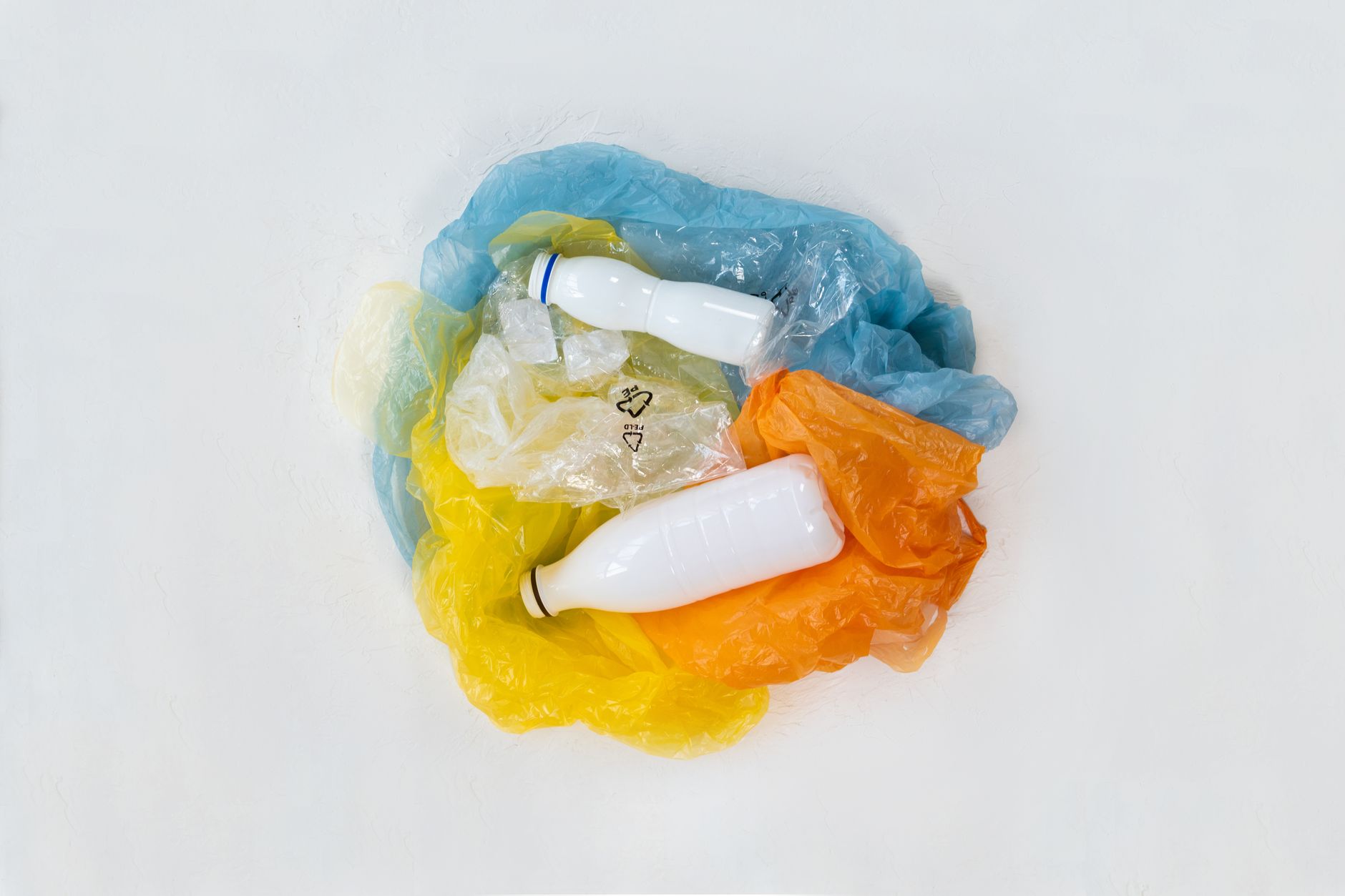
In a world grappling with the dual challenges of mounting plastic waste and food insecurity, a group of scientists has presented an unexpected yet promising solution: cookies made from plastic bottles and corn waste. This pioneering research, led by an innovative team, could transform the way we think about recycling and food production.
The key to this breakthrough lies in the carbon-rich nature of PET plastics. By employing specially programmed yeasts, researchers have managed to break down these plastics into smaller components that can be transformed into protein-rich food. The process cleverly utilises the carbon content of PET, effectively turning a major pollutant into a valuable nutritional resource.
The Science Behind the Cookies
At the heart of this innovation is the use of yeasts that have been engineered to consume the smaller molecules derived from PET plastics. These microbes digest the plastic by-products and convert them into protein, which can then be used to create edible products like cookies. The addition of agricultural waste, such as corn stalks, further enriches the nutritional profile of these cookies.
While the idea of eating something that once was a plastic bottle might not immediately seem appetising, the researchers assure that the end product is purely organic and safe for consumption. The transformative process essentially strips the original waste of its harmful properties, leaving behind a nutritious alternative to conventional food sources.
Implications for the Future
Beyond the immediate environmental benefits of reducing plastic waste, this technology holds significant promise for addressing food shortages. In areas prone to natural disasters where traditional food supply chains are disrupted, these protein-rich cookies could provide a critical source of nutrition. Additionally, the research has piqued the interest of space agencies, who see potential in using this method to sustain astronauts on long missions.
While the cookies have yet to undergo taste tests, the proof of concept is a significant stride towards sustainable food production. As the world continues to face environmental and food security challenges, such innovations offer a glimpse of hope and a testament to human ingenuity.