UEFA Outraged by FIFA's World Cup Privatisation Plans
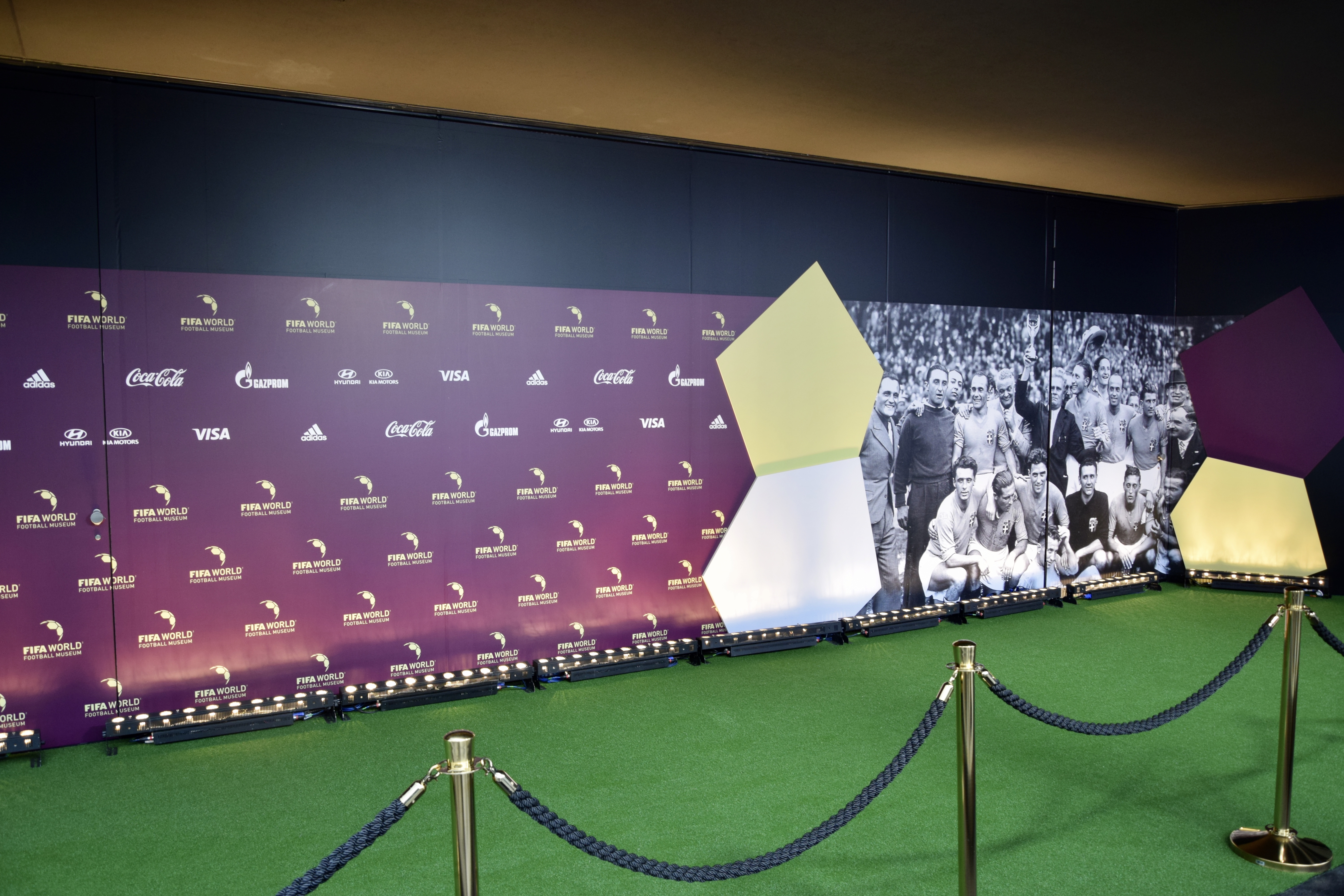
In a move that has sent ripples across the footballing world, FIFA's plan to privatise the World Cup is facing staunch opposition from UEFA. The proposal, spearheaded by FIFA President Gianni Infantino, involves the creation of a $20 billion company backed by private investors. Notably, some of these investors have connections to former US President Donald Trump, raising eyebrows and concerns about potential conflicts of interest.
The backlash has been swift and vocal. UEFA, Europe's governing football body, has been especially critical, accusing FIFA of jeopardising the sport's traditions and governance. A UEFA spokesperson remarked, "This move threatens to erode the democratic principles that have long governed our beautiful game. Handing over control to private interests risks compromising the tournament's integrity."
For context, the World Cup is not just another sporting event; it is a global phenomenon that captures the attention of millions worldwide. The tournament's appeal lies in its ability to bring together nations and cultures, transcending political and economic divides. Critics of the privatisation plan argue that introducing private interests could taint this spirit, transforming a cherished public event into a commercial enterprise.
Infantino, however, has defended the proposal, insisting that it could bring unprecedented investment into the sport. "The potential for growth is immense," he stated, suggesting that the funds could be used to develop football infrastructure globally. Yet, detractors remain unconvinced.
Political figures, too, have joined the fray, with several European politicians expressing unease over the potential influence of American financial power on a predominantly European sport. Such a shift, they argue, could alter the power dynamics within international football, diminishing the influence of traditional footballing nations.
As the debate rages on, the question remains whether FIFA will heed the warning bells rung by UEFA and others. The proposal's fate is uncertain, but one thing is clear: the future of the World Cup, and indeed football itself, hangs in a delicate balance.