Uganda's Protests Intensify as Elections Near Amid Rising Discontent
In the bustling streets of Kampala, the air is thick with dissent. As the clock ticks down to the local elections, the Ugandan populace is making its voice heard, demanding substantial improvements in both housing and education. The protests have grown louder, more intense, and, at times, perilously close to boiling over.
Scenes of police clashing with protestors have become disturbingly common. Reports indicate that over 6,800 individuals have been arrested, a staggering 86% of whom are minors. The government's attempts to quash the demonstrations have been met with widespread criticism, both domestically and internationally. Such heavy-handed tactics, it seems, only serve to steel the resolve of those agitating for change.
A Youthful Uprising
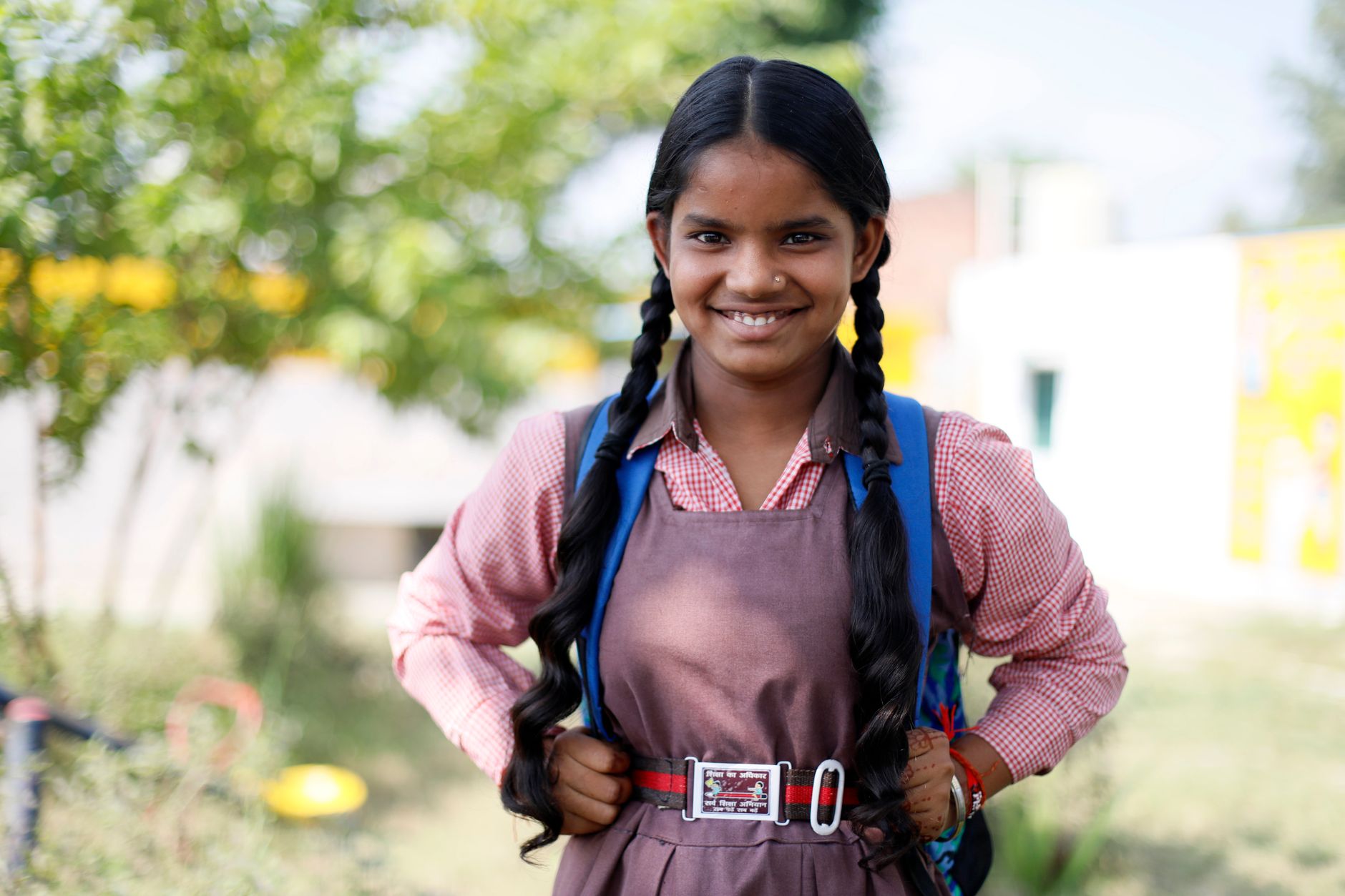
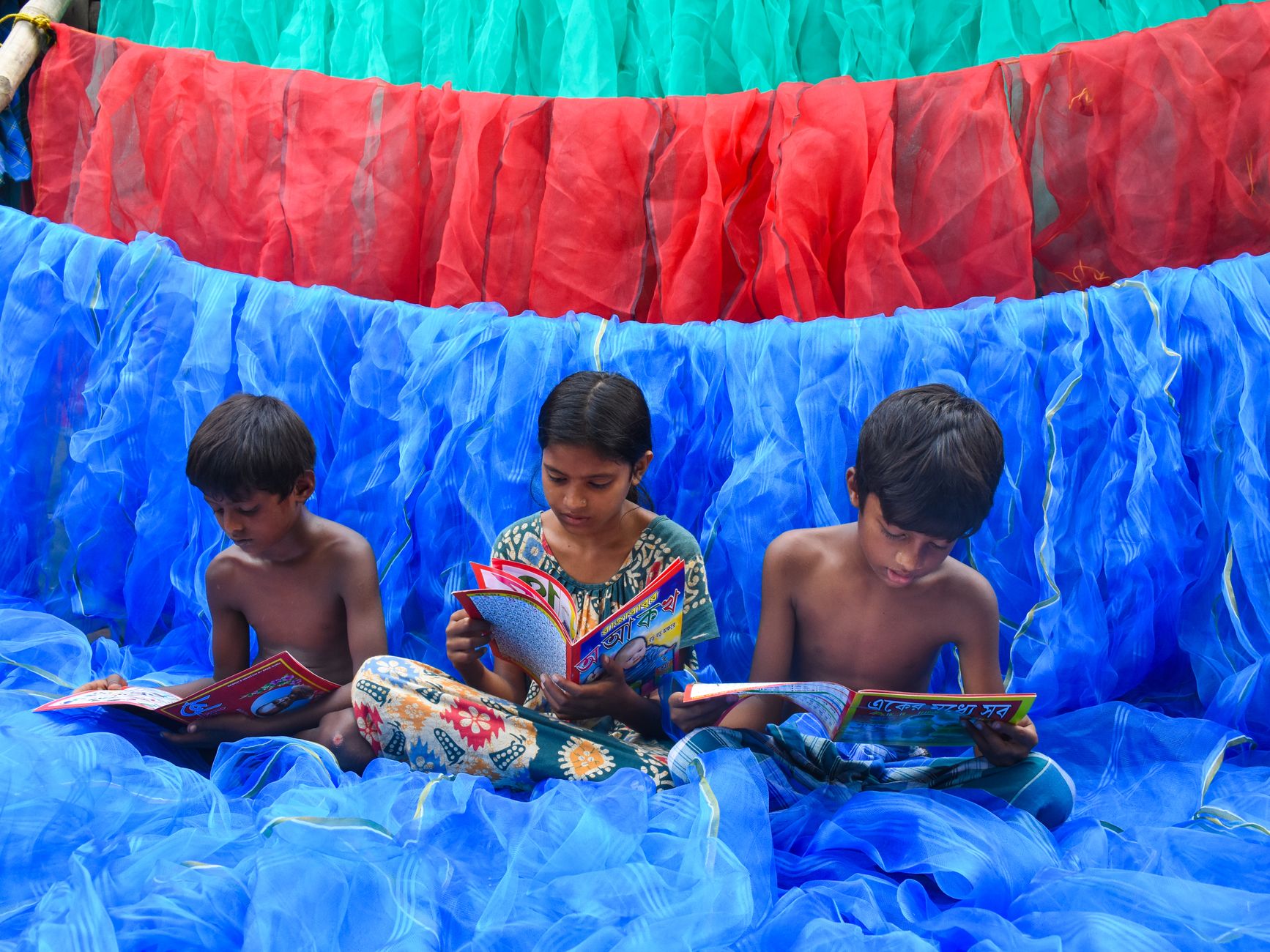
Central to these protests are Uganda's youth, who find themselves at the forefront of this burgeoning movement. The calls for enhanced educational resources resonate deeply with a generation that views quality education as a pathway to a better future. For many, the current system is seen as inadequate, unable to meet the aspirations of a population eager for progress.
The housing crisis, too, remains a critical point of contention. Affordable and adequate housing is a distant dream for many Ugandans, and protesters argue that the government's efforts thus far have been insufficient.
Election Countdown
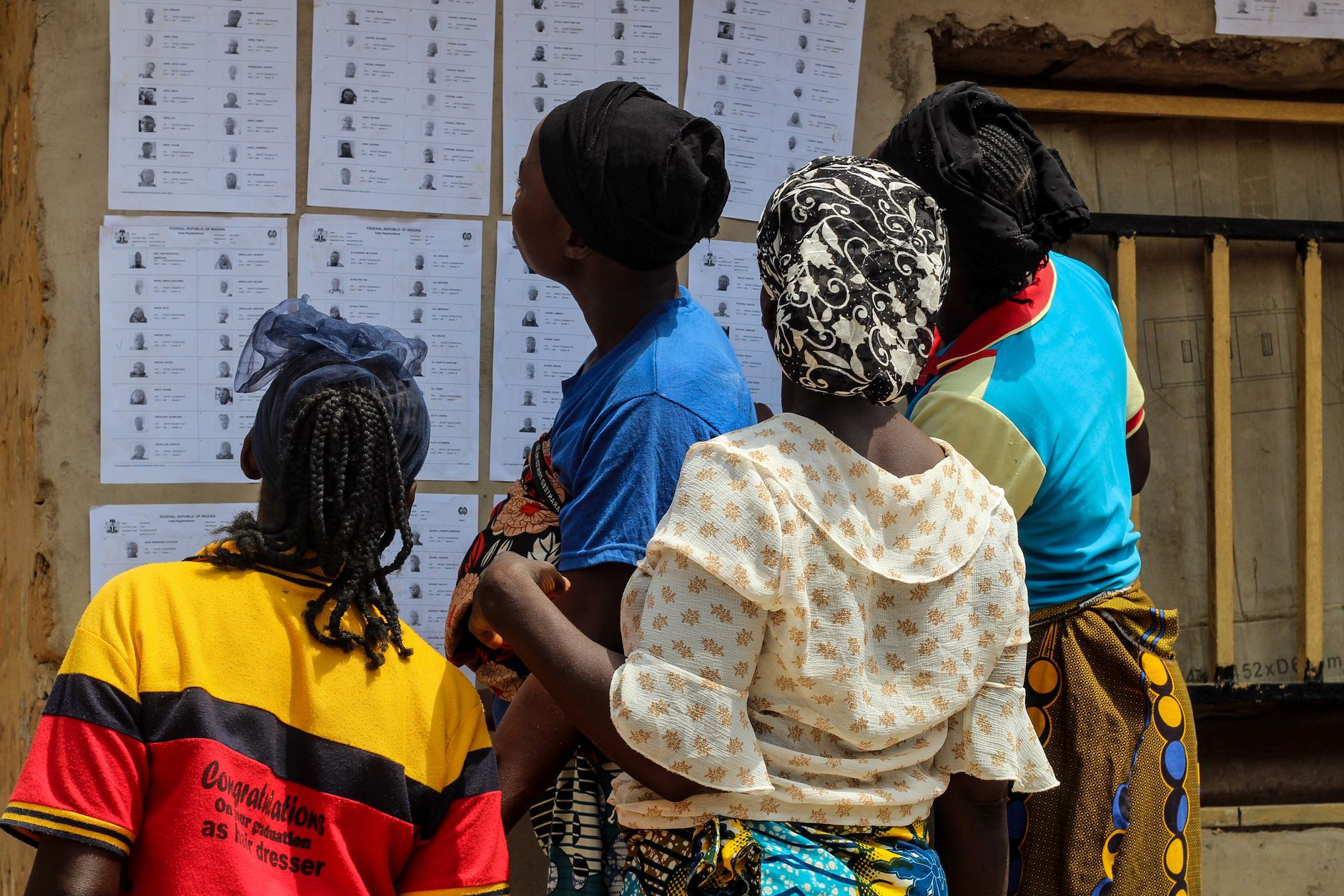
As the election dates of 28 July and 10 August draw near, the stakes are high. These local elections, while not as internationally scrutinised as national ones, carry significant weight. They represent an opportunity for citizens to influence governance at the grassroots level, potentially paving the way for broader reforms.
The protests have thus become more than just a call for immediate improvements; they are emblematic of a deeper yearning for systemic change. Whether the upcoming elections will serve as a catalyst for such change remains uncertain. However, what is clear is that the Ugandan populace is no longer content with the status quo.
As Uganda stands on the precipice of these elections, the world watches with bated breath. The outcome could very well shape the nation's trajectory for years to come. For now, the streets remain vibrant with the voices of those demanding a better tomorrow.