UN Considers New World Map to Highlight Africa's True Size
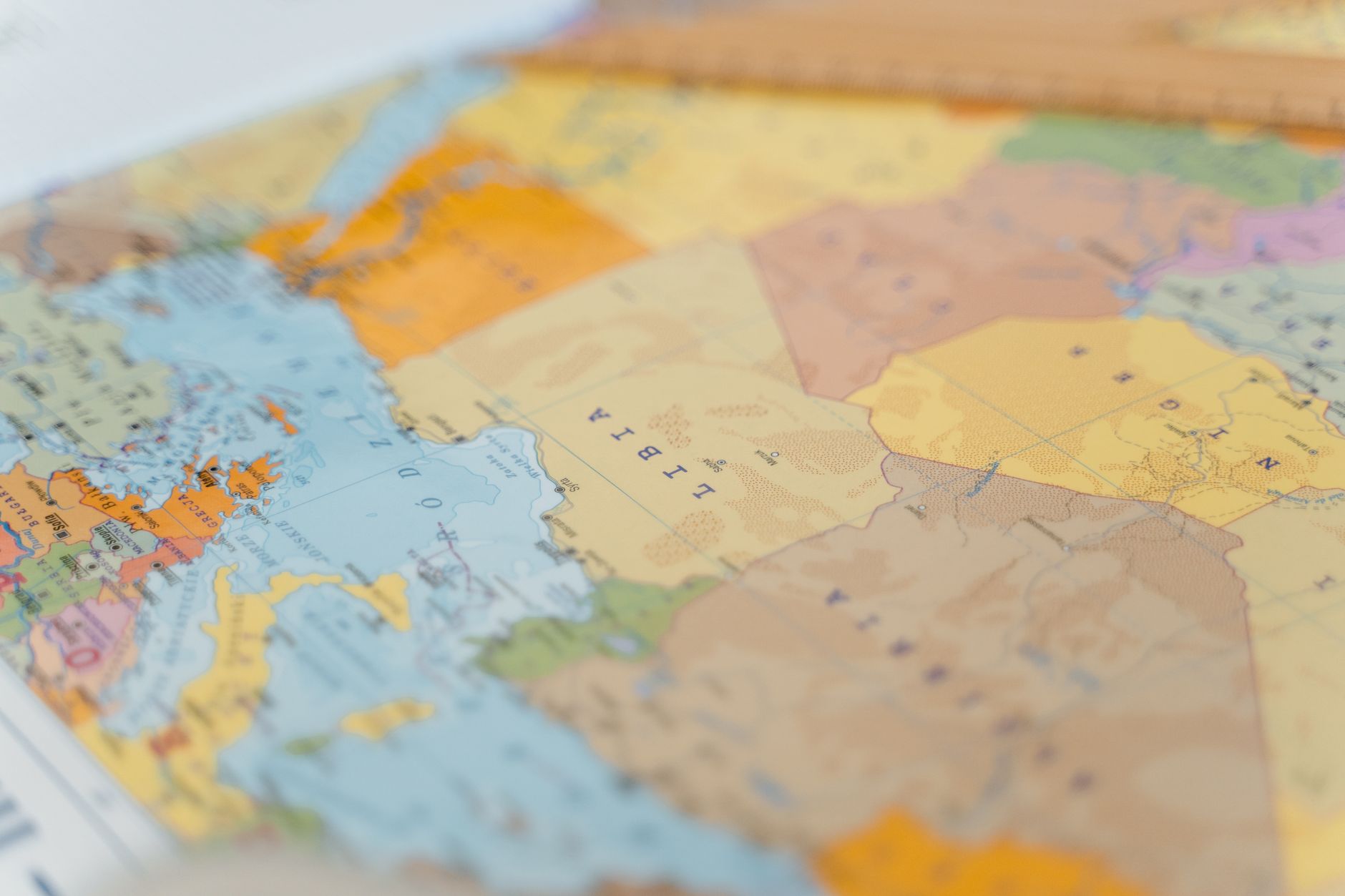
In an unprecedented move, the United Nations General Assembly is poised to vote on adopting a new world map that could finally do justice to Africa's true size. The proposal is to replace the outdated Mercator projection with the Equal Earth map, a shift championed by Togo's Foreign Minister, Robert Dussey. He argues that the Mercator map has long misrepresented the spatial realities of our world, particularly diminishing Africa's vastness.
The Mercator projection, created in 1569, has been a staple of classrooms and boardrooms alike. It is notorious for distorting the size of landmasses, inflating the proportions of regions like Europe and North America while shrinking those closer to the equator, notably Africa. This distortion is not merely academic; it has real-world implications for how countries perceive themselves and each other.
A Map that Matters
The push for the Equal Earth projection is not just about cartographic accuracy. It represents a broader endeavour to shift perceptions and encourage a more equitable global dialogue. Accurate representation on world maps can influence everything from geopolitical discussions to educational curricula, shaping how young minds perceive the world.
Robert Dussey has been particularly vocal about the need for this change. 'We must challenge the historical distortions that have shaped our understanding of the world,' he stated. 'Adopting a map that reflects Africa's true size is a step towards rectifying these misconceptions.'
Implications for the Future
Should the UN vote in favour of the new map, it could mark a significant turning point in how we visualise our world. By adopting the Equal Earth map, the UN would set a precedent for institutions globally, potentially influencing everything from geography textbooks to international policy frameworks.
This move could also foster a greater appreciation for Africa's role on the world stage. As the continent continues to grow economically and politically, recognising its true scale is both a symbolic and practical gesture towards a more balanced global perspective.
In an era where the fight for equality and representation is more pronounced than ever, this vote on a seemingly simple map embodies a much larger struggle for fairness and accuracy in how we view the world.