U.N. Raises Alarm Over Neurotechnology's Privacy Threat
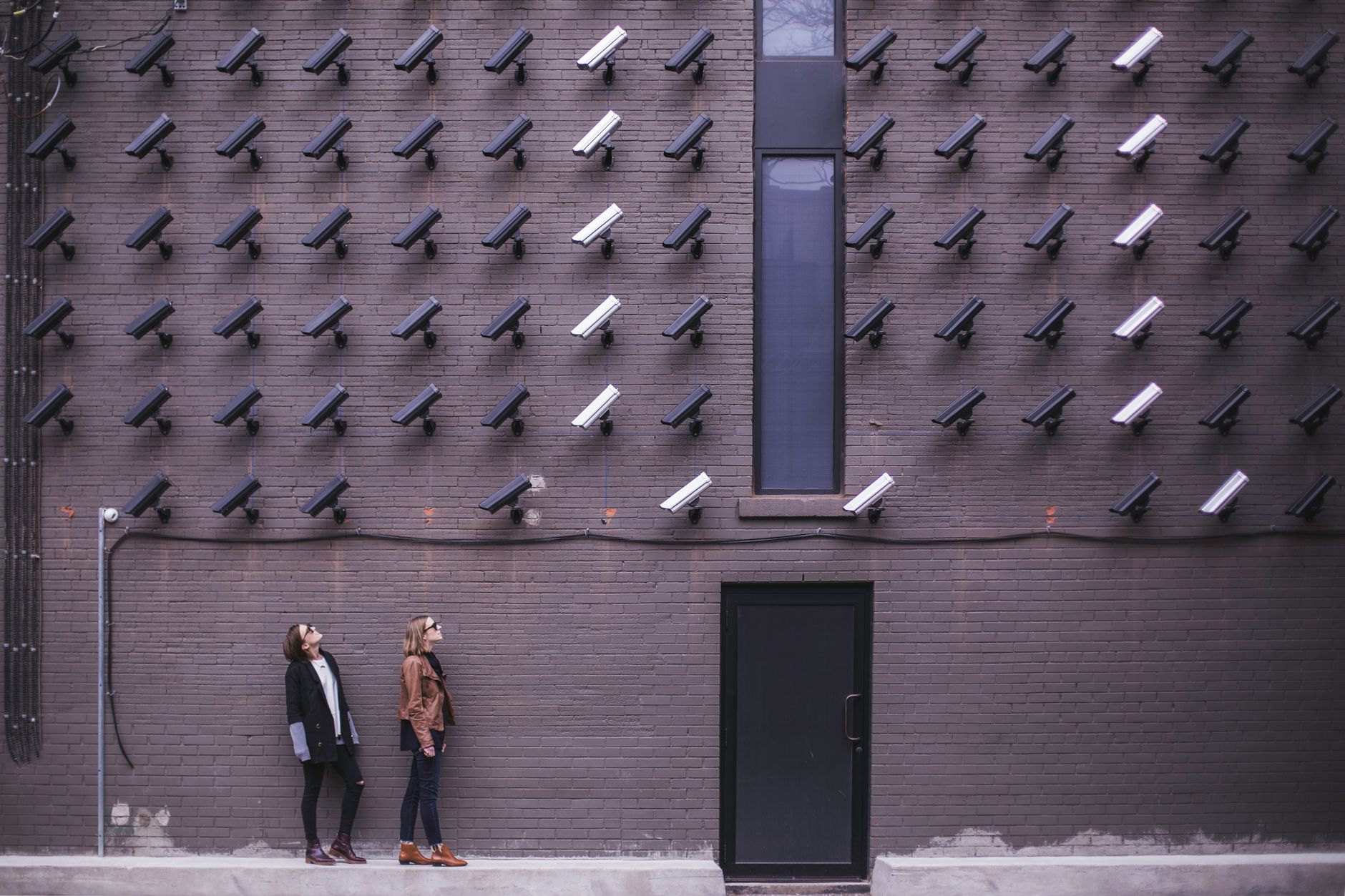
Imagine a world where your innermost thoughts are no longer your own, but potential evidence in a court of law. This unsettling scenario is not the plot of a science fiction novel, but a future the United Nations warns could become reality. In a recent report, the U.N. expressed grave concerns over the rapid development of neurotechnologies capable of accessing personal thoughts.
The report, penned by the U.N. Secretary-General, outlines the potential for these technologies to be exploited by state actors. The implications are profound, suggesting a future where brain-computer interfaces could be used in criminal investigations, potentially violating fundamental human rights.
Technological Advancements and Ethical Concerns
While neurotechnologies hold great promise for medical advancements, such as aiding individuals with disabilities, the potential misuse in legal and governmental contexts is alarming. The ability to predict criminal behaviour or extract confessions from the mind could lead to unprecedented invasions of privacy. The U.N. stresses the need for stringent regulations to prevent misuse and protect individual freedoms.
Brain-computer interfaces, championed by tech visionaries like Elon Musk, have made significant strides. However, the U.N.'s warning highlights the darker side of such innovations. The report calls for a global dialogue on the ethical implications and the establishment of international norms to safeguard against potential abuses.
A Call to Action
The U.N.'s cautionary report serves as a clarion call to governments and corporations alike to tread carefully. As technology outpaces legislation, the risk of human rights abuses looms large. The need for a balanced approach that embraces technological progress while ensuring ethical oversight has never been more critical.
In a world increasingly driven by technological prowess, the challenge lies in harnessing such power responsibly. The future of neurotechnology could either be a beacon of hope or a harbinger of dystopia, depending on the choices made today.