UN Redraws World Map to Reveal Africa's True Size
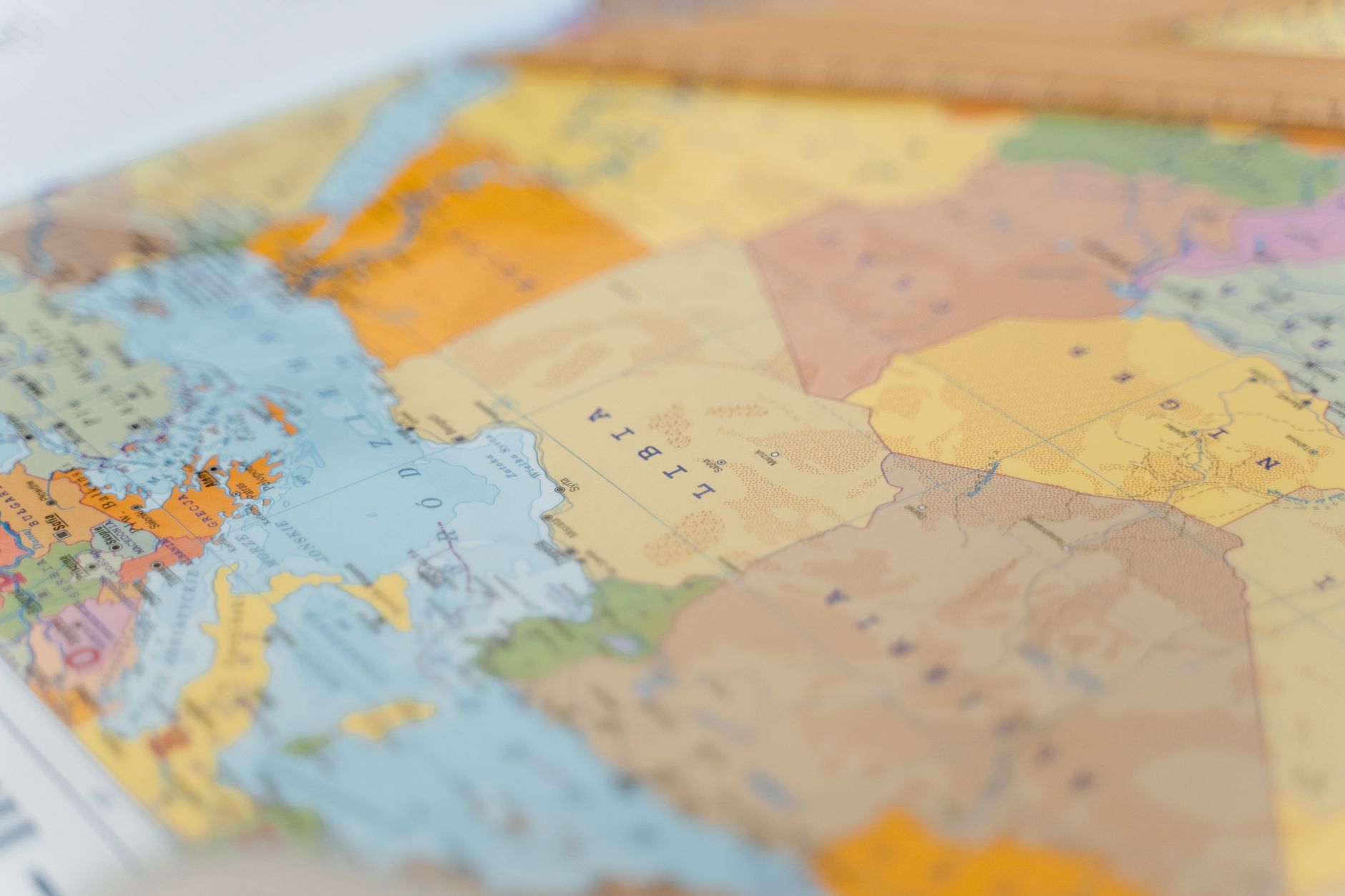
In a decision that could reshape perceptions as much as geography, the United Nations has voted to adopt a new world map. This updated depiction more accurately reflects the size of Africa, a continent long misrepresented in educational and political discourse due to the enduring popularity of the Mercator projection.
The resolution, known as 'Correct the Map', was spearheaded by Togo on behalf of the African Group and received overwhelming support, with 164 nations voting in favour. Only the United States objected, while six countries chose to abstain. The resolution seeks to transition from the traditional Mercator map to the Equal Earth projection, which offers a more truthful representation of the world's continents.
The Significance of Scale
The Mercator projection, while useful for navigation, notoriously distorts the relative size of landmasses. It exaggerates the size of regions closer to the poles while minimising those near the equator. As a result, Africa, which is larger than China, the United States, and India combined, often appears diminutively small next to Europe.
The new map aims to correct this historical oversight. African nations argue that a more accurate depiction is crucial as the continent assumes a central role in global challenges. 'As Africa becomes increasingly pivotal in addressing world issues,' the resolution states, 'it is essential to represent its true scale.'
Global Reactions
The move has been lauded by many as a step towards decolonising the modern geopolitical mindset. The Equal Earth projection, which maintains the Mercator's navigational strengths without its distortions, is seen as a tool for education and empowerment.
However, the United States' dissenting vote underscores the complexities involved in shifting longstanding conventions. Critics argue that the change is merely symbolic, with little impact on the geopolitical status quo. Yet, for many, symbolism matters, shaping perceptions and priorities in profound ways.
This decision by the UN could mark the beginning of a broader re-evaluation of how countries are represented and perceived. As the maps hanging on classroom walls begin to change, they may well inspire a generation to view Africa and the world differently.