Unearthing the Prehistoric Giant: Pampaphoneus Biccai's Return
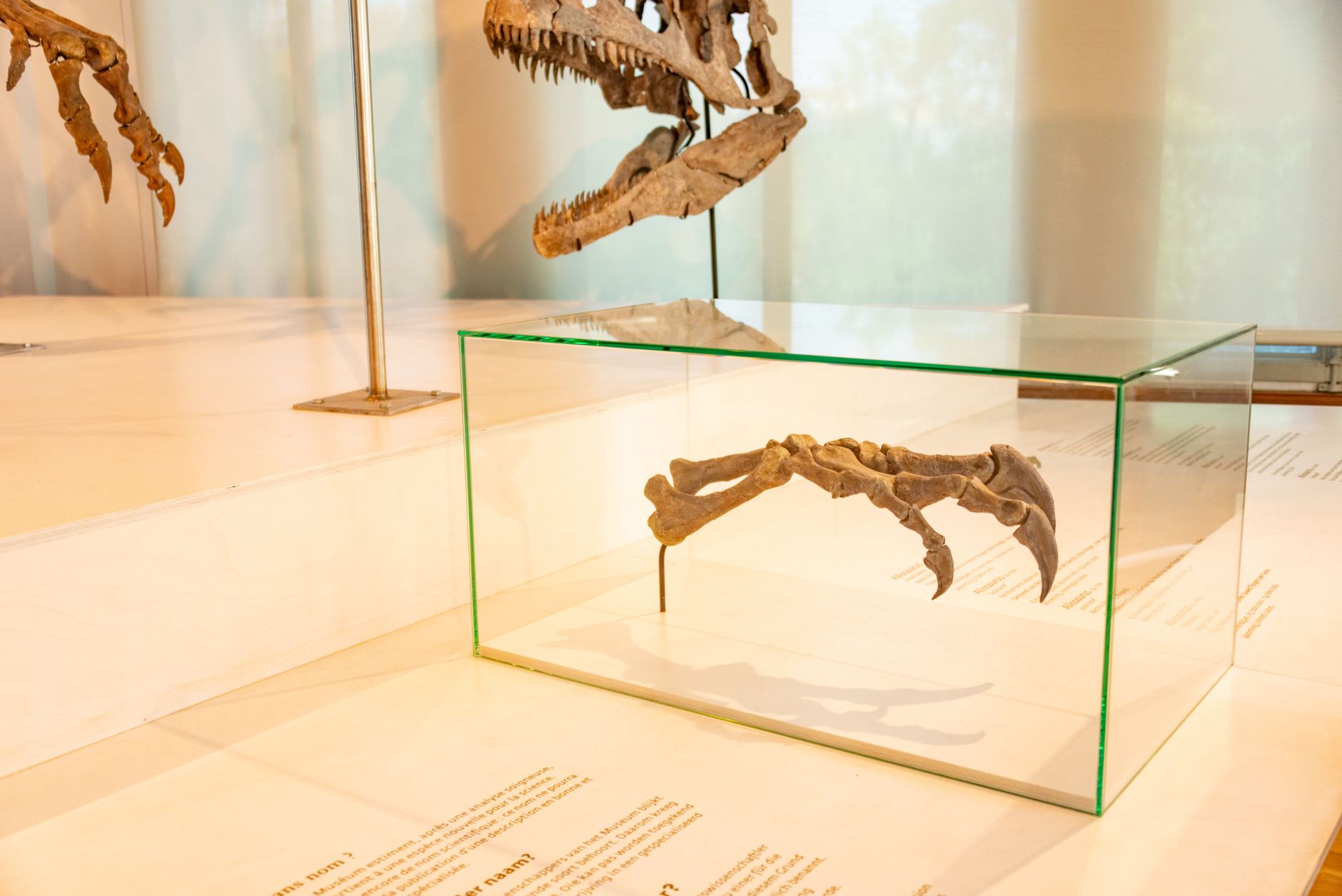
In a remarkable twist of history, scientists have unearthed the skeletal remains of a fearsome predator that roamed the Earth some 265 million years ago, well before the age of dinosaurs. The discovery of Pampaphoneus biccai, a 2,865-pound behemoth, has captured the imagination of both the scientific community and the public, as it offers a tantalising glimpse into a forgotten epoch.
The fossil was discovered in Brazil, a country already rich in prehistoric treasures. Pampaphoneus, with its massive build and formidable teeth, was the apex predator of its time, dominating the landscape long before the tyrannosaurs and their ilk came to be. This ancient beast has been dubbed 'gnarly-looking' by some scientists, a nod to its intimidating visage.
A Collaborative Effort
What sets this discovery apart is not just the creature's antiquity or its size, but the manner in which its unravelling is taking place. In an unprecedented move, approximately 2,000 volunteers have joined forces with paleontologists to painstakingly piece together the skeleton. This collaborative effort is part of a growing trend to democratise science, allowing ordinary people to contribute to extraordinary discoveries.
Dr. Mariana da Silva, one of the lead scientists on the project, remarked, "It's truly a community effort. Everyone from schoolchildren to retirees is playing a part in bringing Pampaphoneus back to life." This initiative has not only accelerated the reconstruction process but also fostered a greater appreciation for palaeontology among the public.
Why It Matters
The significance of Pampaphoneus biccai's discovery extends beyond the realm of palaeontology. It challenges the long-held notion that dinosaurs were the unrivalled terrors of prehistoric Earth. This finding suggests a far more complex and ancient lineage of predators that shaped the evolutionary path long before the advent of dinosaurs.
The research team hopes that this discovery will spark further interest in the Permian period, a time often overshadowed by its Jurassic successor. By shedding light on these ancient ecosystems, scientists are piecing together the puzzle of how life on Earth has evolved.
As Pampaphoneus biccai's story unfolds, it serves as a reminder of the rich tapestry of life that has existed on our planet and the continuing journey to understand it.