UNEP Report Calls for Justice in Environmental Transitions
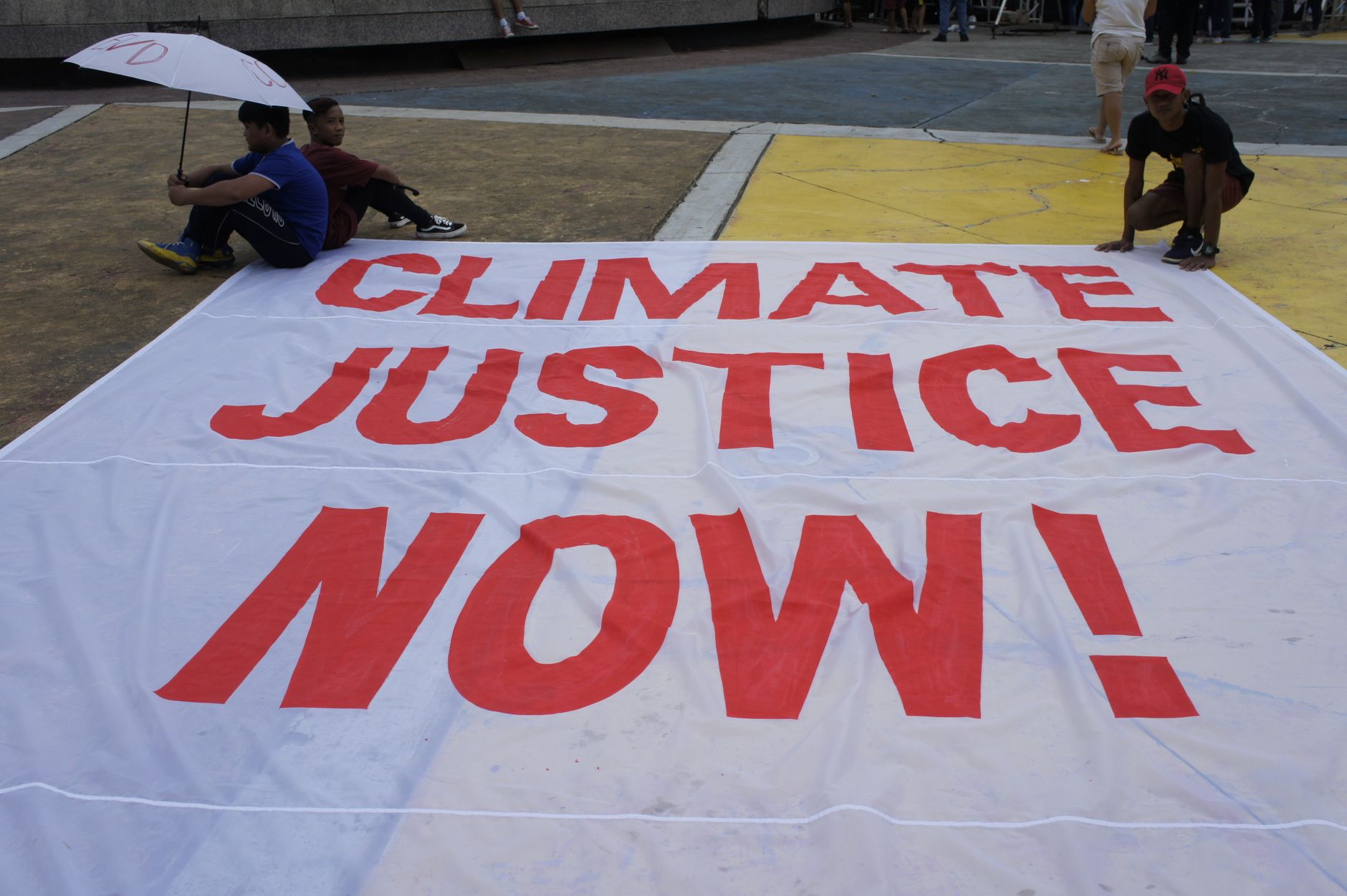
In an era where climate change looms large over global agendas, the United Nations Environment Programme (UNEP) has released a compelling report underscoring a vital component of ecological transition: justice. Titled 'No Transition Without Justice', the report makes a persuasive argument for embedding environmental rule of law at the heart of transition strategies.
As the world grapples with the multifaceted challenges posed by climate change, nations are increasingly formalising their commitments to a 'Just Transition'. This concept, which gained momentum in recent years, focuses on ensuring that the shift towards sustainable practices does not disproportionately disadvantage certain communities, particularly those already vulnerable to environmental degradation.
The UNEP's report arrives at a time when countries are actively integrating these principles into their legislative and policy frameworks. The document highlights how Just Transition pledges are evolving from mere rhetoric to tangible laws and policies. It argues that without a robust environmental rule of law, these transitions run the risk of perpetuating existing inequalities.
A Legal Framework for Equality
The significance of the report lies in its timing. It coincides with the first anniversary of the International Court of Justice's advisory opinion on the obligations of states concerning climate change. This context enhances the urgency of the report's findings, urging nations to consider legal frameworks that ensure equity in environmental governance.
For instance, the Ponca Nation's move to enact the Rights of Nature Statute into law is a testament to such efforts. As Casey Camp-Horinek, a community leader, poignantly stated, "We all know that water is life." By legally recognising the rights of nature, the Ponca Nation aims to prevent environmental harm that has historically led to what many describe as 'environmental genocide'.
The Path Forward
As countries worldwide navigate the complexities of environmental transitions, the UNEP's report stands as a clarion call for justice. It warns against the dangers of a transition that neglects the rule of law, advocating instead for a pathway that respects both people and planet equally.
The emphasis on justice in environmental transitions is more than a moral imperative; it is a practical necessity for sustainable development. By embedding these principles into the very fabric of law, nations can ensure that the shift towards a greener future is both equitable and enduring.