UNEP Report Highlights Justice in Climate Transition
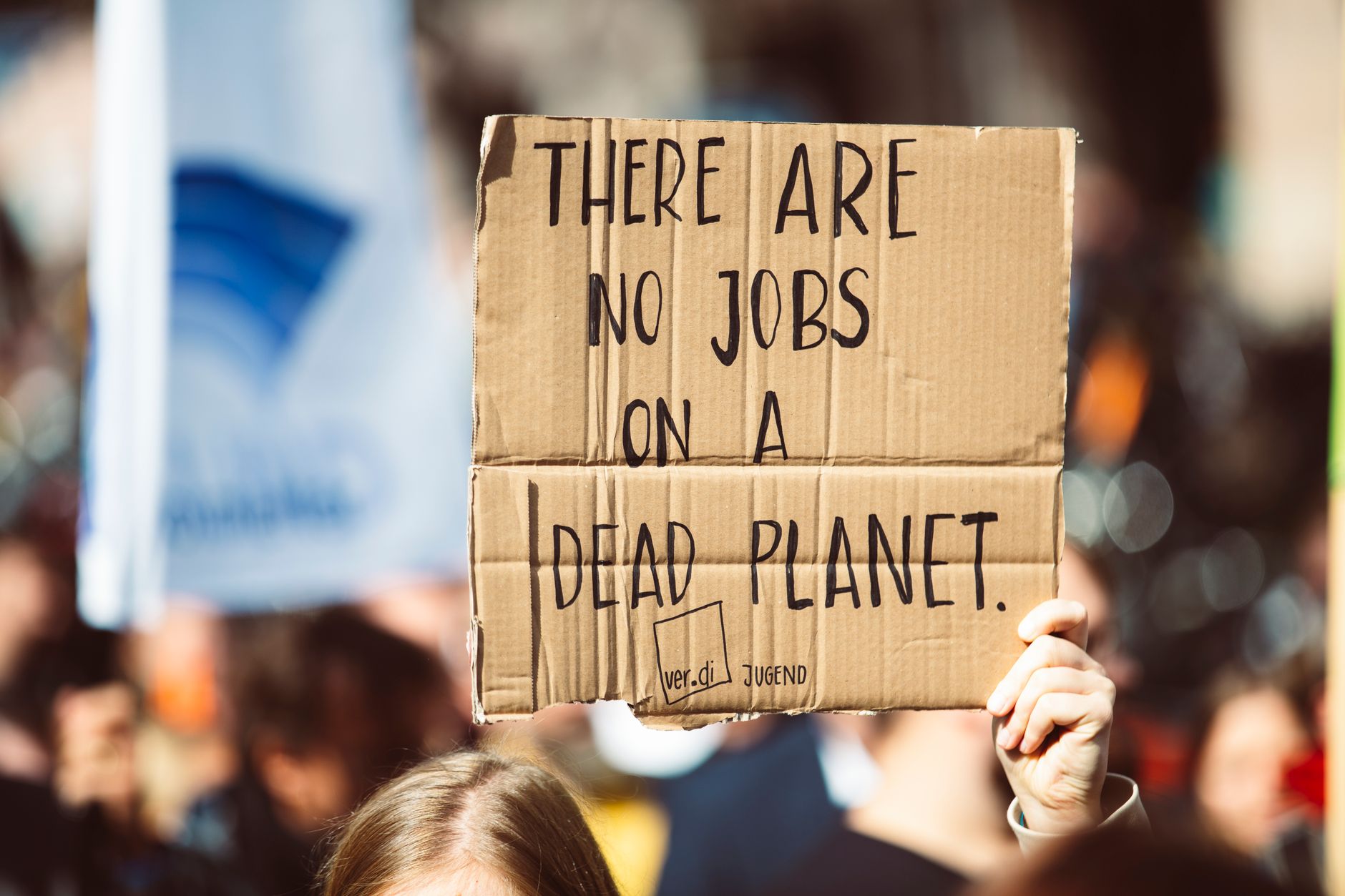
In an era where climate pledges are rapidly becoming legal imperatives, the United Nations Environment Programme (UNEP) has released a report underscoring a crucial yet often overlooked component of climate action: justice. Entitled “No Transition Without Justice”, the report presents a compelling case for integrating justice into the very fabric of environmental governance.
The report arrives at a momentous juncture, as the world commemorates the first anniversary of the International Court of Justice's advisory opinion on state obligations regarding climate change. UNEP's findings are clear: transitioning to a sustainable future requires more than just technological innovation and policy shifts. It demands a robust environmental rule-of-law framework that ensures fairness and equity.
Bridging the Gap
Many countries have begun translating Just Transition pledges into actionable laws and policies. The report applauds these steps but warns that without a comprehensive legal structure, such efforts may falter. "Justice must be the cornerstone," says Inger Andersen, Executive Director of UNEP. "Without it, we risk leaving behind the very communities that bear the brunt of environmental degradation."
Global Examples
The report highlights several case studies, such as the Ponca Nation’s move towards enacting a Rights of Nature Statute, recognising the intrinsic value of ecosystems. This is a testament to the growing recognition that environmental justice is not merely an abstract ideal but a practical necessity.
Moreover, the report outlines how international cooperation and localised legal frameworks can work in tandem to protect vulnerable populations while advancing climate goals. It emphasises that justice should not be an afterthought but an integral part of the transition process.
A Call to Action
As nations forge ahead with their climate strategies, UNEP's report serves as a timely reminder that sustainability and justice are two sides of the same coin. It calls on governments, institutions, and communities to embrace a holistic approach that prioritises both people and the planet.
The message is clear: for a transition to be truly just, it must be inclusive, equitable, and anchored in the rule of law. Anything less would be a disservice to future generations and the planet they will inherit.