UNEP Stresses Justice in Environmental Transition
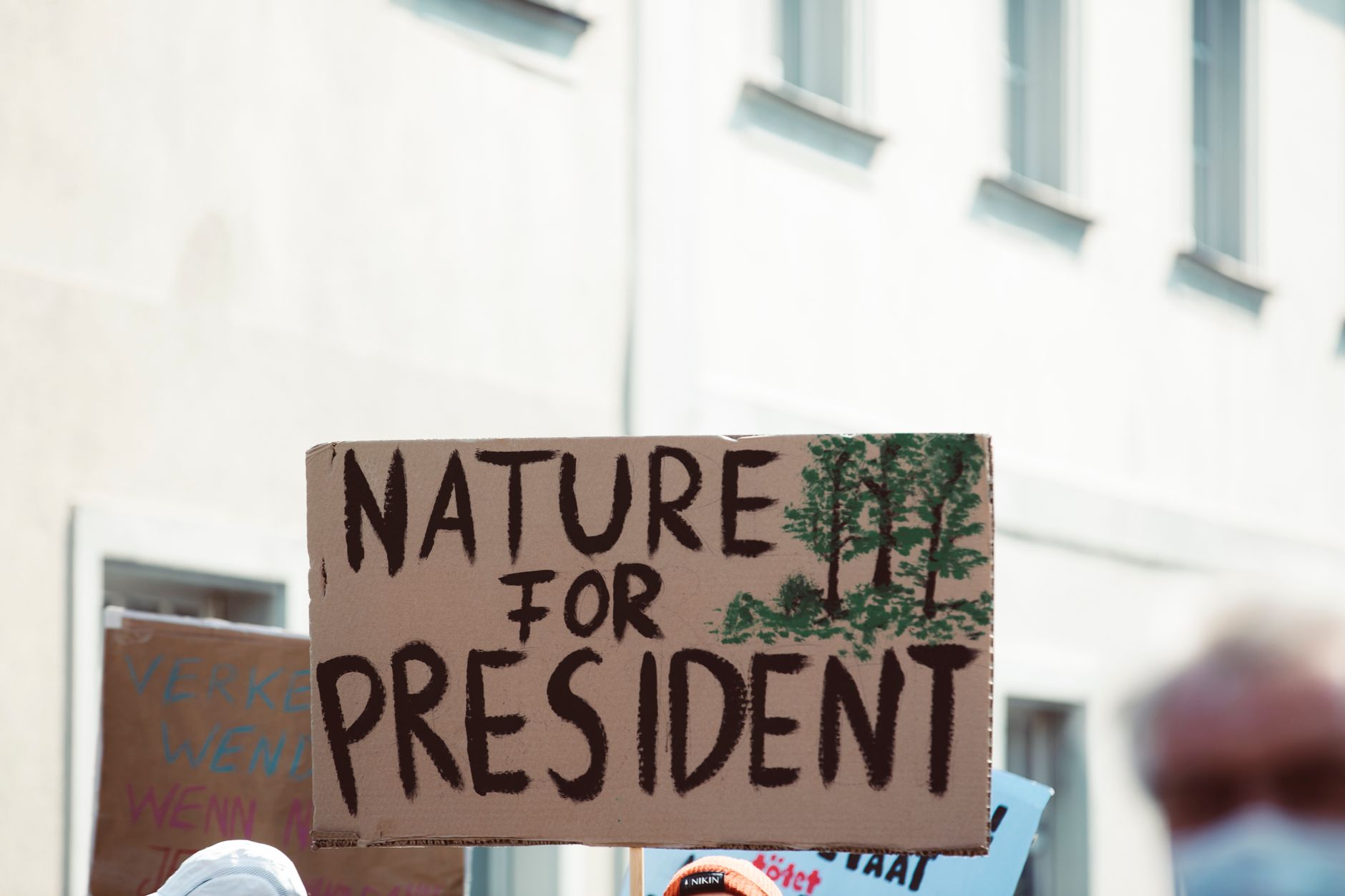
The release of the United Nations Environment Programme's latest report has thrown a spotlight on the crucial nexus between climate action and social justice. Titled No Transition Without Justice, the report calls for a fundamental shift in how environmental laws are approached, urging that justice must be at the heart of any transition towards sustainability.
In a world grappling with the consequences of climate change, UNEP's report argues that environmental rule of law is not merely a legal framework but a necessary instrument for safeguarding both people and the planet. The emphasis is clear: without justice, there can be no meaningful transition.
Environmental Rule of Law
Central to the report is the concept of environmental rule of law, described as a comprehensive approach to legal frameworks that protect the environment while ensuring social equity. This involves recognising the rights of individuals to a clean and healthy environment, thereby supporting the efforts of environmental human rights defenders.
These defenders, often at the frontline of environmental protection, face numerous challenges. The report highlights the dangers they encounter, advocating for stronger protections against threats and violence, which are, regrettably, not uncommon.
Justice as a Cornerstone
UNEP's report underscores that justice should not be an afterthought but a cornerstone of environmental policy. It calls for policies that are inclusive, ensuring that marginalised communities are not left behind in the rush for green solutions. The transition must be both environmentally sustainable and socially equitable.
The report also touches upon the economic aspects, suggesting that a just transition can lead to new opportunities, fostering innovation and green jobs, while simultaneously addressing historical social inequalities.
In essence, No Transition Without Justice is a clarion call for governments and policymakers worldwide. It challenges them to rethink their strategies, placing justice and equity at the forefront of their environmental agendas.
As the world continues to confront the realities of climate change, UNEP's report serves as a timely reminder: sustainable progress cannot be achieved without justice, and the health of our planet is inextricably linked to the well-being of its people.