UNESCO and Norway Forge Stronger Educational Ties
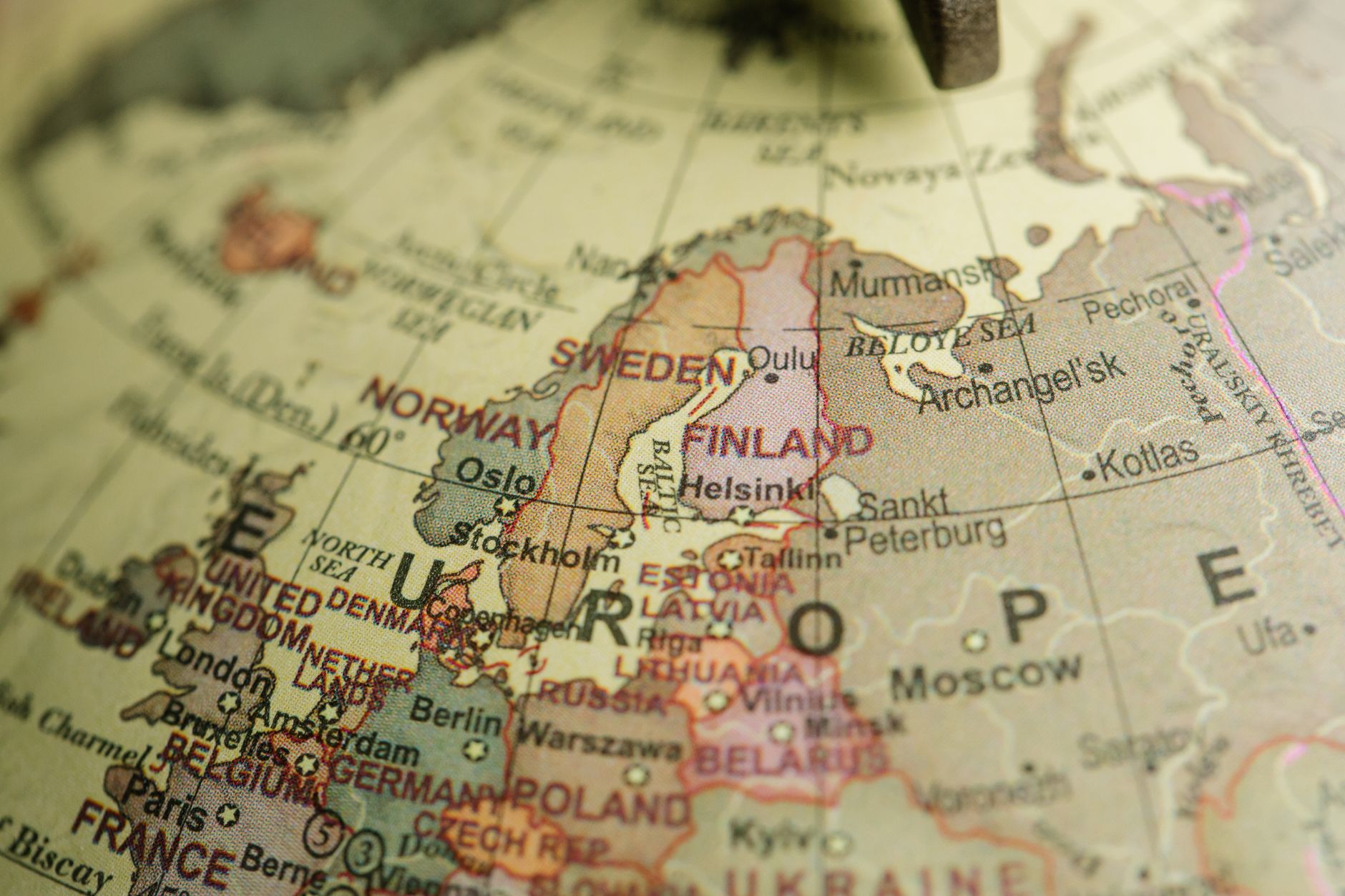
In a world where education often finds itself on the backburner amidst political strife and economic challenges, UNESCO and Norway have stepped forward with renewed vigour. The two entities have inked a new agreement that promises to bolster educational initiatives worldwide, heralding a new chapter in their longstanding partnership.
Norway's commitment to UNESCO is hardly a recent development. The Scandinavian nation has consistently championed flexible funding, allowing UNESCO the latitude to address educational challenges as they emerge. This agreement is not merely a continuation but an enhancement of that commitment, with Norway pledging unprecedented support to UNESCO's educational programmes.
Expanding Educational Horizons
The agreement is a testament to Norway's unwavering dedication to global education and freedom of expression. By providing resources that are not earmarked for specific projects, Norway empowers UNESCO to be nimble and responsive. This flexibility is crucial as the organisation navigates the complexities of global educational needs, exacerbated by crises such as the COVID-19 pandemic.
UNESCO's role in promoting education as a tool for peace is widely recognised. With 194 member states, the organisation works tirelessly to bridge educational divides and foster cultural understanding. The new agreement with Norway is expected to further these efforts, enabling more dynamic responses to educational disparities around the globe.
A Broader Commitment
Beyond education, the partnership also underlines a shared commitment to cultural integration and soft power diplomacy. As countries like Greece and Norway leverage cultural tourism diplomacy, such agreements serve as pillars for strengthening bilateral ties and contributing to broader European cultural integration.
This renewed partnership between UNESCO and Norway is a beacon of hope in turbulent times, reminding the world of the transformative power of education and international cooperation. In an era where global challenges seem ever more daunting, such alliances are not only welcome but essential.