UNESCO Roundtable Champions Safe Sports for Indian Girls
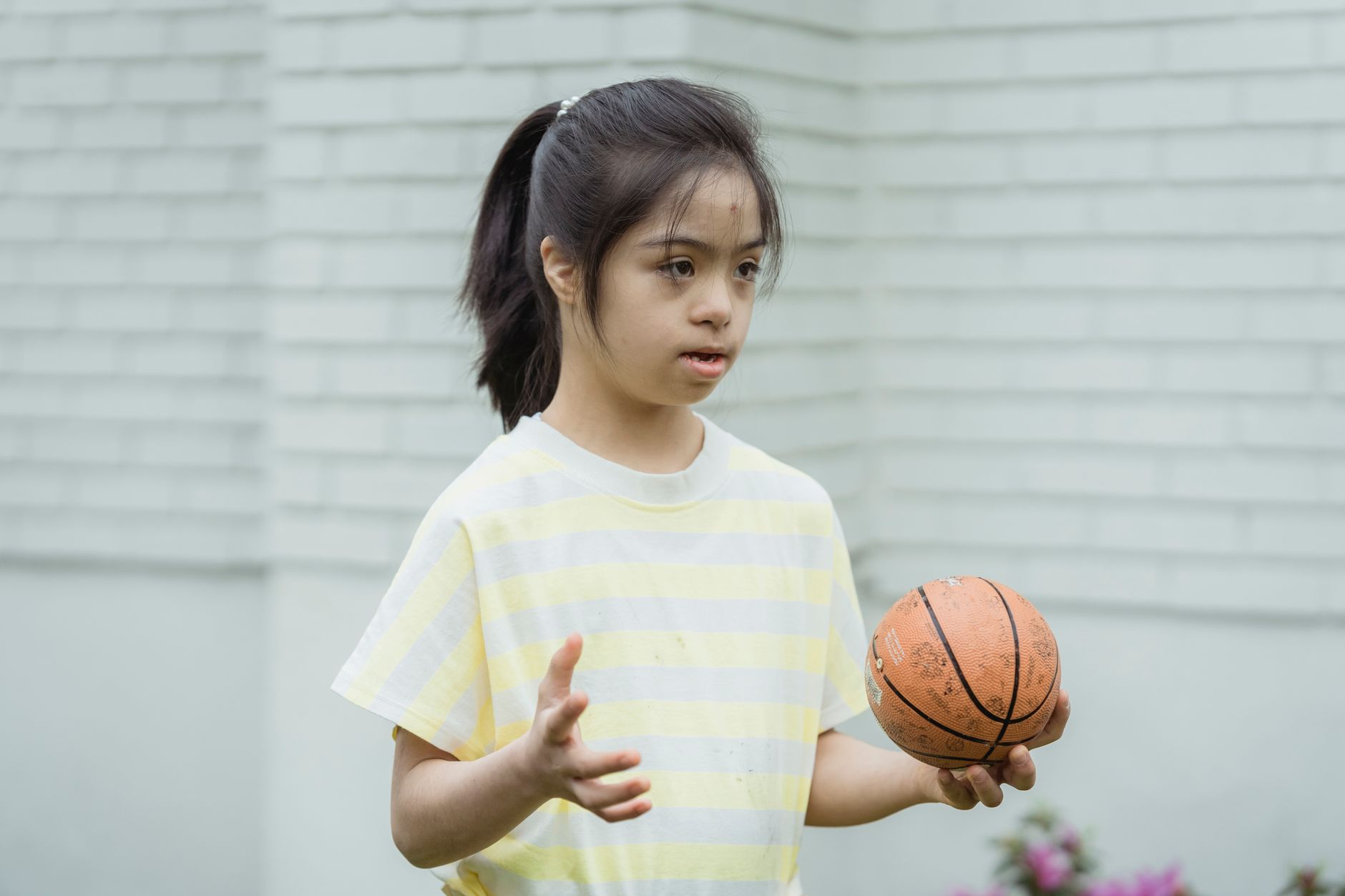
In an effort that could redefine the sporting landscape for young girls across India, UNESCO has convened a roundtable to deliberate on advancing safe and inclusive sport. Held under the aegis of the SHAPE initiative, supported by the Conrad N. Hilton Foundation, this dialogue is not just another item on the agenda but a call to action for stakeholders across the educational and sports sectors.
Michel Toto, UNESCO's Country Representative, articulated the essence of the meeting, emphasising the need for a holistic approach to fostering secure environments where girls can thrive in sports. 'Our aim is to dismantle barriers and develop frameworks that ensure girls in India have the same opportunities as their male counterparts,' Toto remarked.
Breaking the Barriers
Sports have long been a male-dominated arena in many parts of the world, and India is no exception. Cultural norms and safety concerns often hinder girls' participation. This roundtable aims to address these issues by bringing together experts, educators, and policymakers to forge a path forward.
The SHAPE initiative, known for its comprehensive approach to early childhood care and education, extends its philosophy to the sports field. It recognises that sport is not merely a physical activity but a vital component of social and emotional development.
Strategies for Change
Participants at the roundtable have been tasked with devising strategies that can be implemented at the grassroots level. These include creating safe sporting facilities, implementing gender-sensitive training programmes, and ensuring that sports education is an integral part of the curriculum.
As the dialogue progresses, it becomes clear that the goal is not simply to increase the number of girls in sports but to ensure that their involvement is sustainable and impactful. 'This is about changing mindsets and creating a lasting legacy of inclusivity,' Toto added.
The discussions are expected to culminate in actionable recommendations that will be presented to the Indian government and educational bodies. The hope is that these measures will not only boost sports participation among girls but also pave the way for a more equitable sporting culture in India.