UNESCO Urges Taliban to Lift Ban on Afghan Girls' Education
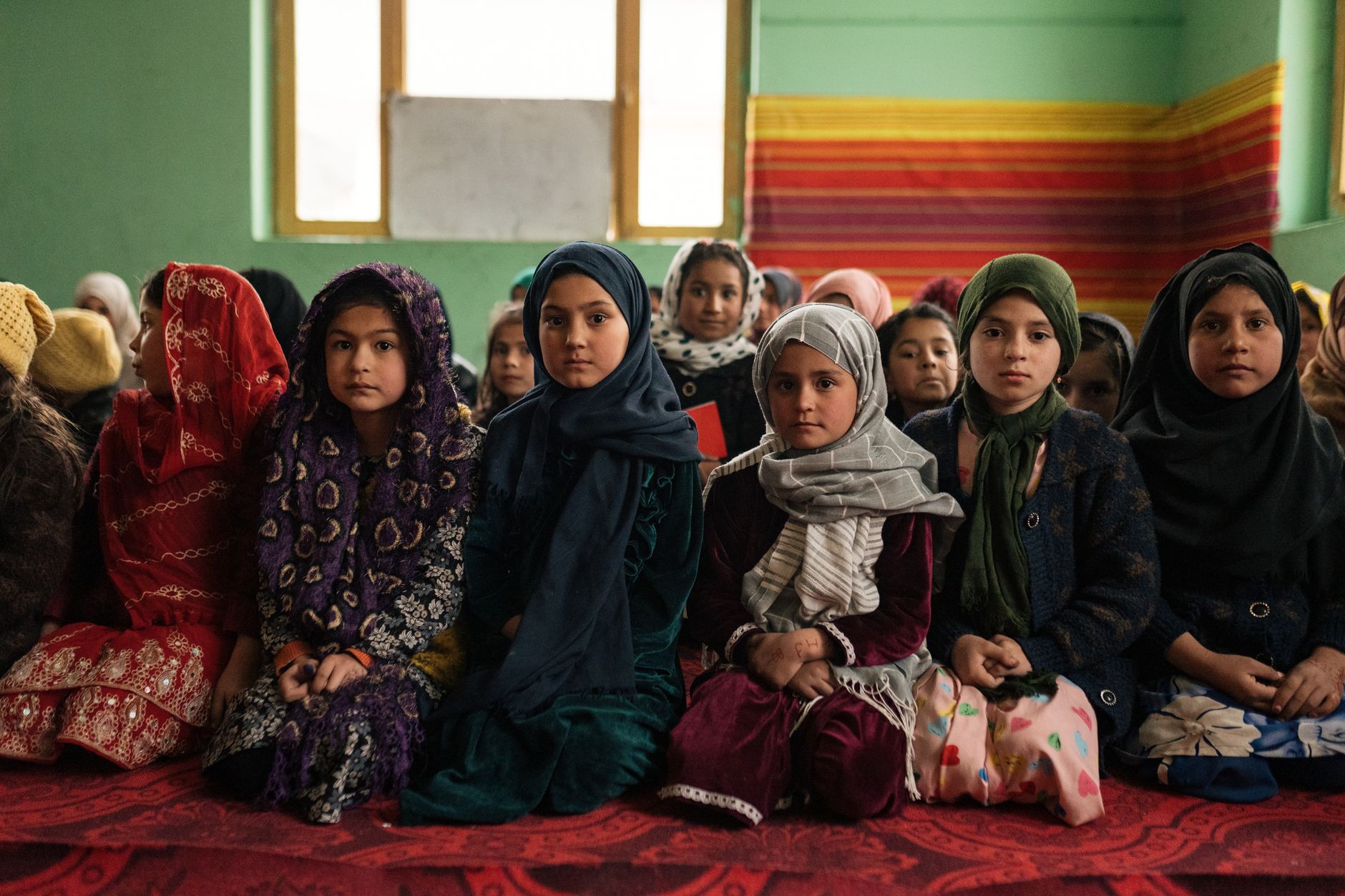
In a stark reminder of the challenges facing Afghan society, UNESCO has once again called upon the Taliban to lift its ban on secondary education for girls, which affects approximately 2.4 million young Afghan women. Since the Taliban's return to power in 2021, education for girls has been severely restricted, drawing widespread condemnation from international bodies.
UNESCO's latest figures underscore a grim reality: decades of progress in Afghan women's education are being systematically dismantled. The agency emphasised that education is not merely a privilege but a fundamental human right, and its denial poses a serious violation of international norms.
A Nation in Crisis
Afghanistan is a nation where nearly half the population lives below the poverty line. The exclusion of girls from educational opportunities not only undermines their future prospects but also hampers the country's economic potential. Educated women contribute significantly to household incomes and national economies, and their absence from both school and work could have long-term repercussions.
Critics of the Taliban regime argue that denying education to girls is a regressive step that will only plunge Afghanistan further into poverty and isolation. Without education, these young women face limited opportunities, becoming more vulnerable to exploitation and abuse.
International Outrage
The international community has been vocal in its criticism of the Taliban's policies. Several countries have withheld aid and support in protest, but this has done little to sway the regime's stance. UNESCO's appeal is part of a broader effort to galvanise global opinion and pressure the Taliban into reversing their decision.
The ban on girls' education is not merely an issue of human rights; it has profound implications for Afghanistan's future. An educated population is essential for development and stability, and without it, the nation's prospects appear bleak.
The world watches on, hoping for a change that would allow Afghan girls to return to the classroom, to dream freely, and to contribute to the rebuilding of their country.