UNESCO's Ambitious Drive to Rebuild Gaza's Cultural Fabric
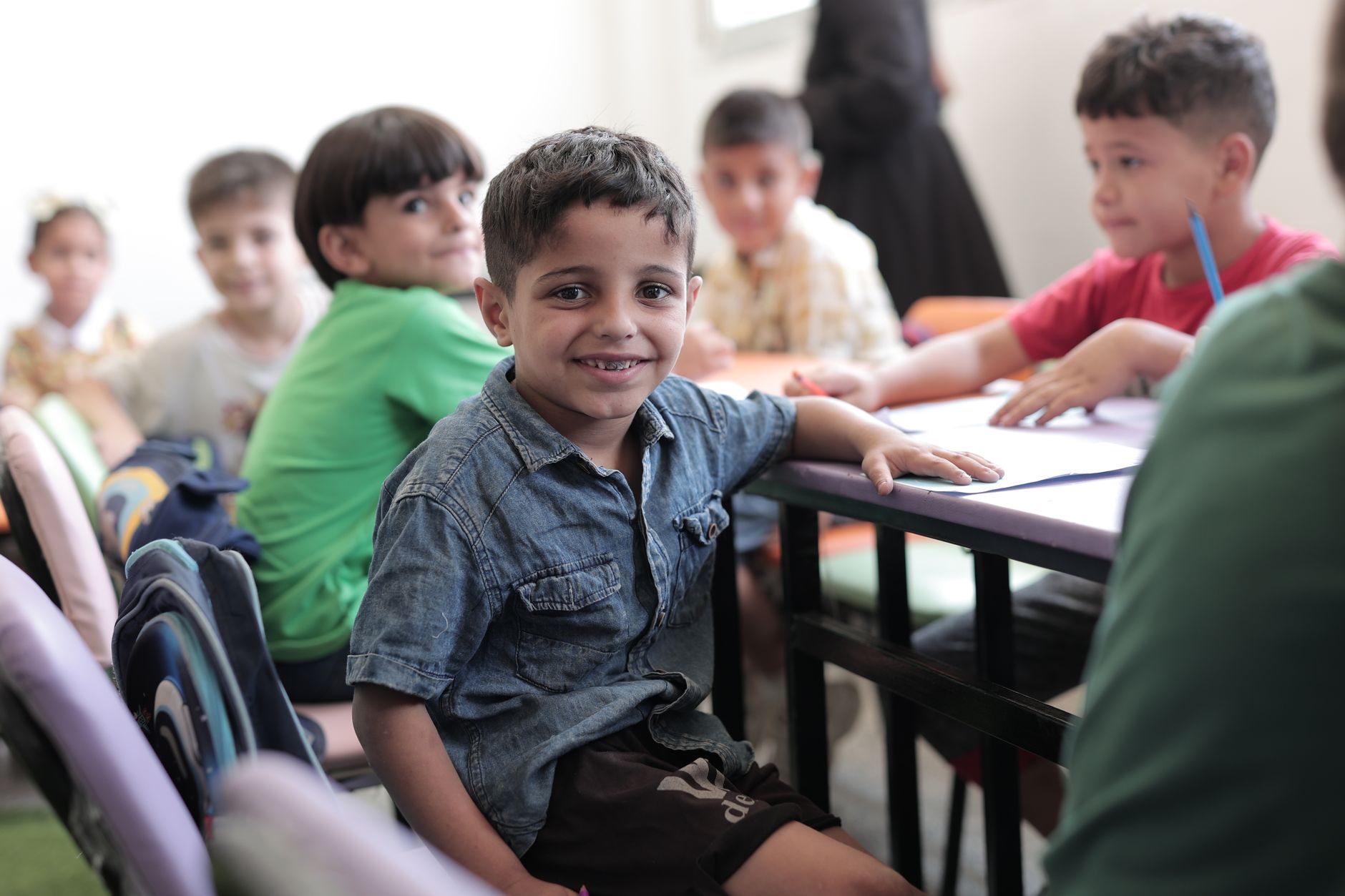
In a region where conflict has become an unwelcome fixture, UNESCO's latest initiative in Gaza offers a glimmer of hope. The organisation, in collaboration with a host of partners, has embarked on a mission to place education, culture, and information at the very heart of Gaza’s recovery efforts.
UNESCO's commitment is not just symbolic; it is a substantive attempt to weave education and cultural preservation into the fabric of everyday life for Palestinians. With $5.7 million already mobilised, the task at hand is monumental. The funds have been channelled towards stabilising five damaged heritage sites, enhancing educational opportunities for 13,800 tertiary students, and supporting over 1,010 journalists with much-needed training and equipment.
An Ambitious Goal
The ambition does not stop there. UNESCO is seeking an additional $116.5 million to further its efforts. This funding is intended not only for immediate relief but also for sustainable development in the region, ensuring that the cultural and educational landscape is not just preserved but thrives. The General Conference's 42nd session has already set the wheels in motion by adopting a resolution that calls for a programme of emergency assistance and the establishment of a special account for voluntary contributions.
Such initiatives highlight the indispensable role of education and culture in fostering resilience and growth. In the words of UNESCO’s Director-General, the objective is not merely to rebuild infrastructure but to 'rebuild the soul of Gaza'.
Why This Matters
The ongoing conflict has taken a toll on Gaza's cultural heritage and educational infrastructure. Schools have been damaged, cultural sites have been jeopardised, and access to reliable information has been severely restricted. The work being done by UNESCO and its partners is pivotal in creating a sense of normalcy and hope for future generations.
This initiative serves as a reminder of the powerful role that education and culture play in conflict resolution and community cohesion. As the world watches, the success of UNESCO's efforts in Gaza could very well set a precedent for similar recovery missions in other conflict-ridden regions.