Unexpected Pitfalls of Vitamin D Supplements Revealed by Scientists
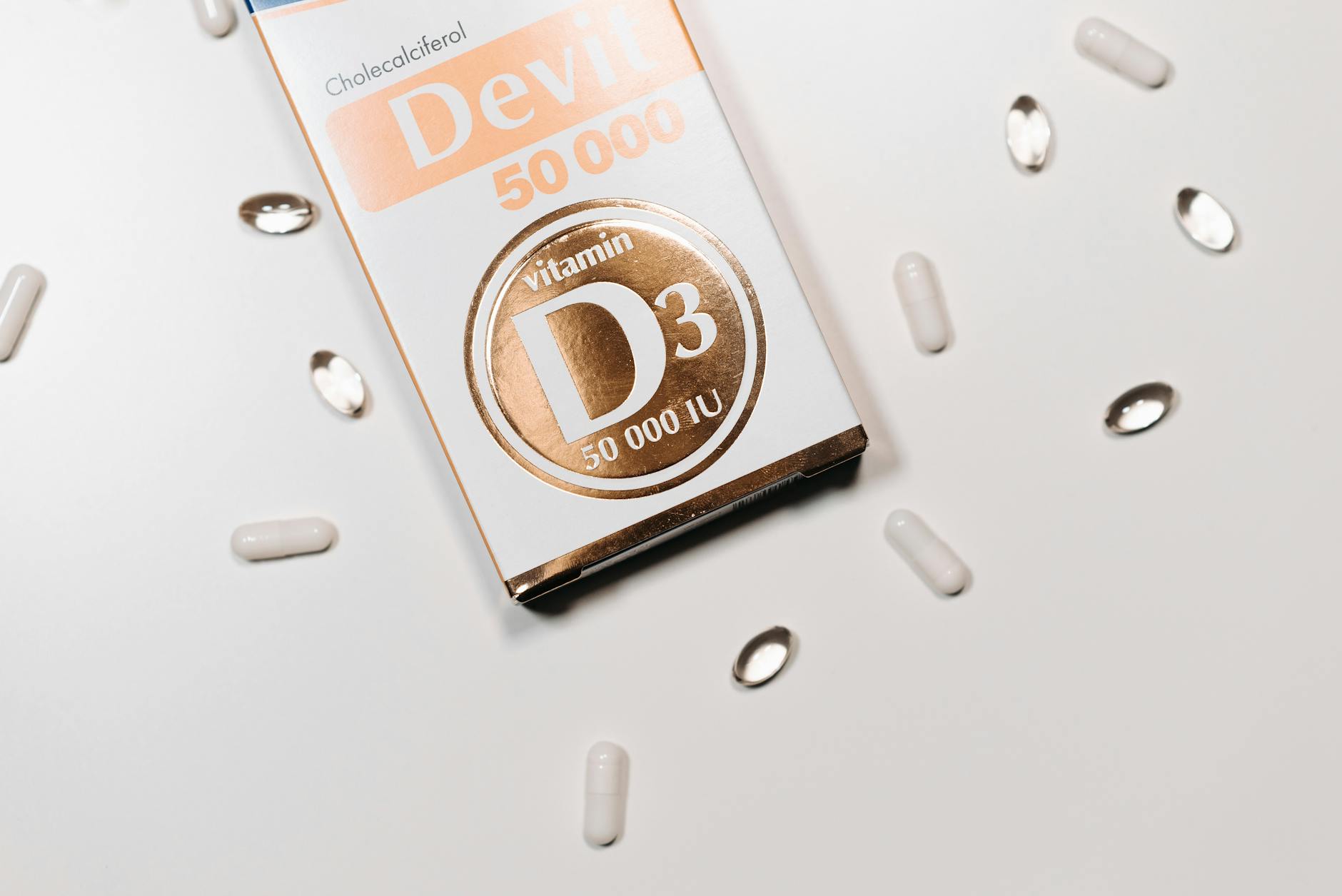
In a surprising twist to the tale of vitamin supplementation, researchers at the University of Surrey have unveiled a hitherto unknown drawback of the popular vitamin D2 supplements. These supplements, often taken to boost health, might ironically be undermining it by reducing levels of the more effective vitamin D3 in the body.
The study, published recently, involved a thorough analysis of 11 trials encompassing 655 adults. The findings suggest that while vitamin D2 is widely available and frequently consumed, it might not be the panacea it was once thought to be. Instead, it appears to decrease the body's stores of vitamin D3, a form crucial for maintaining robust immune health and overall well-being.
The Science Behind the Findings
Vitamin D is essential for numerous bodily functions, including bone health, immune system support, and general vitality. There are two main forms: D2, typically derived from plant sources, and D3, found in animal products and more effective at raising vitamin D levels in the blood.
The researchers' unexpected discovery that D2 might diminish D3 levels was made through rigorous trials conducted in collaboration with the John Innes Centre and the Quadram Institute Bioscience. The implications of these findings are significant, given the rising consumption of vitamin supplements globally.
Revisiting Supplement Choices
With this new knowledge, individuals might reconsider their supplement choices. Dr. Laura Bell, lead author of the study, suggests that people might need to weigh the benefits of D3 over D2 more carefully. "While both forms have their uses, for most people, D3 might offer a more substantial health advantage," she stated.
This research invites a broader dialogue about the efficacy of over-the-counter supplements and underscores the importance of personalised healthcare approaches. As consumers, being informed about what we ingest is ever more critical in a world awash with health-enhancing claims.