Uniform Friday Sermons in J&K: A Controversial Mandate
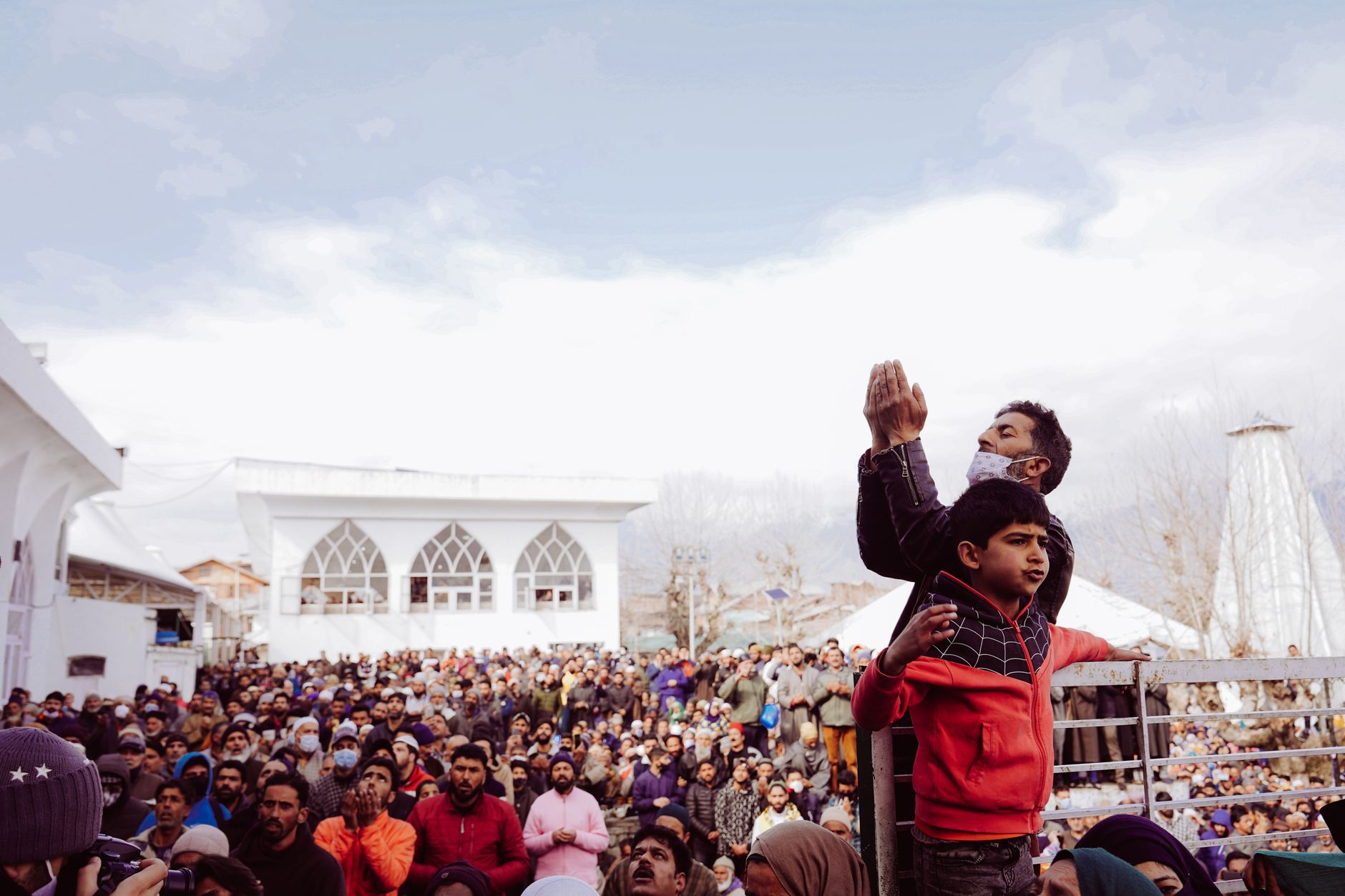
In a move that has set political tongues wagging, the Jammu and Kashmir Waqf Board's recent directive to standardise Friday sermons across mosques has ignited a fierce debate. The board's decision, ostensibly aimed at promoting harmony and coherence, has instead become a lightning rod for controversy.
The crux of the issue lies in the perceived infringement on religious autonomy. Critics argue that the uniformity mandate undermines the traditional role of the khatib, the sermon-giver, whose job is to address the unique concerns of their congregation. This top-down approach, they contend, dilutes the localised nature of religious guidance, which has always been tailored to the specific socio-cultural contexts of individual mosques.
The Political Overtones
The timing of this directive is particularly pertinent. Jammu and Kashmir, a region frequently at the nexus of political and religious tensions, has seen its governance structures often criticised for decisions perceived as heavy-handed. The Waqf Board's move has been interpreted by some as an extension of governmental influence into the religious sphere, a notion fiercely contested by the Board itself.
Proponents of the standardisation argue that uniform sermons could help curb radical narratives and foster a sense of collective identity among the region's Muslim populace. Yet, this view is not universally accepted. Opponents fear that such a measure might stifle the diversity of thought and debate that characterises Islamic discourse.
Broader Implications
Beyond the immediate religious implications, this controversy taps into larger issues of governance and autonomy in the region. The Waqf Board's initiative is seen by many as part of a broader strategy to align religious practices with national interests, a strategy that has often met with resistance in J&K.
As the political storm continues to brew, the Waqf Board remains steadfast in its position, asserting that the initiative is a step towards peace and unity. Whether this standardisation will ultimately achieve its intended purpose or further polarise the region remains to be seen, but for now, it has certainly ignited a heated discussion.