Unprecedented Solar Images Illuminate Energy Mysteries
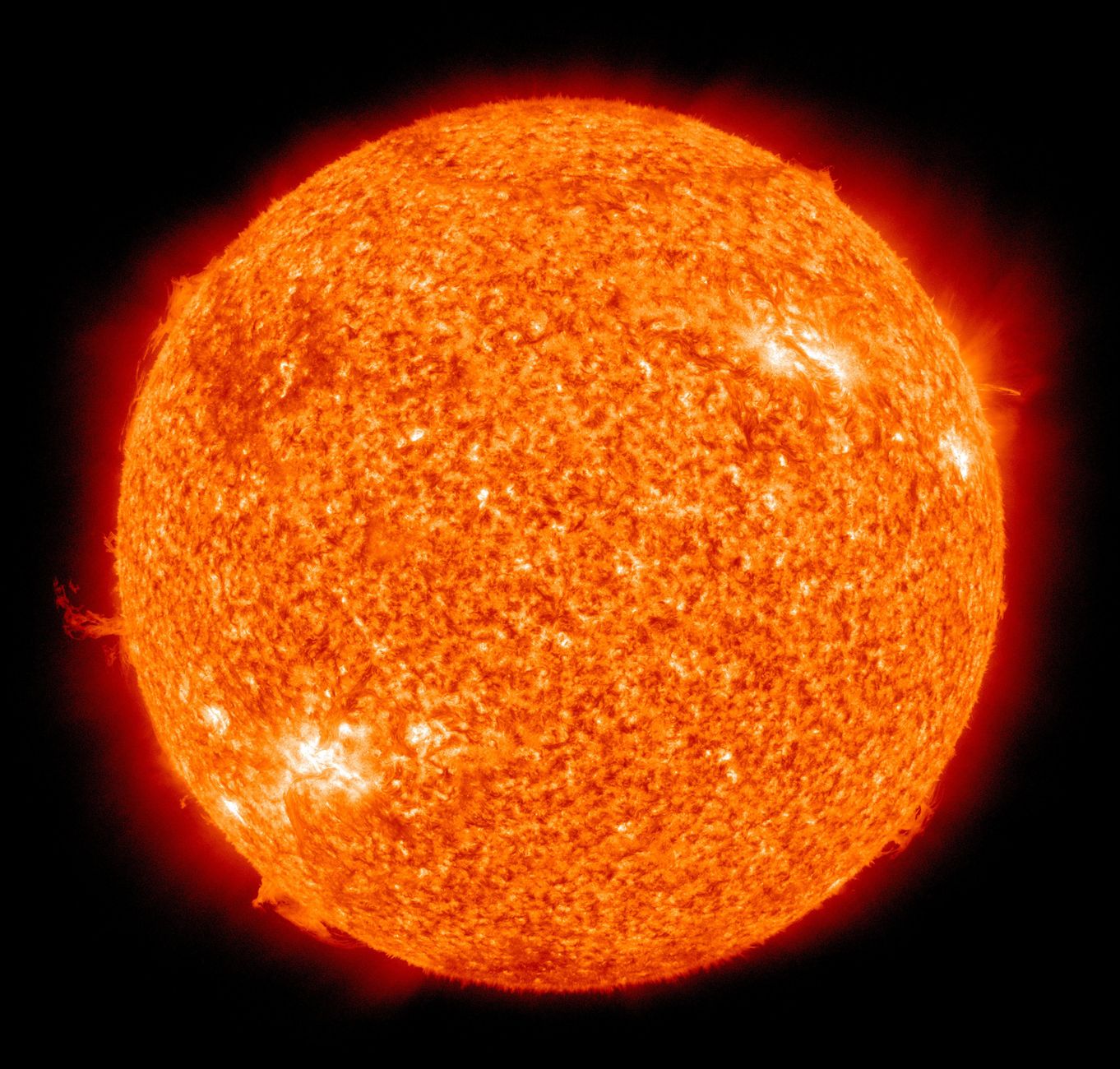
In an astronomical breakthrough, scientists have unveiled the highest-resolution images of the sun's surface to date, revealing dizzying vortex-like patterns that have left researchers both awestruck and intrigued. These swirling structures, captured in unprecedented detail, offer critical clues to one of solar physics' enduring mysteries: why the sun's corona, its outer atmosphere, is hotter than its surface.
The sun's surface, or photosphere, is a turbulent arena of superheated gases, with temperatures around 5,500°C. Yet, bizarrely, the corona, which extends millions of kilometres into space, is vastly hotter, reaching temperatures in the millions of degrees Celsius. This baffling phenomenon, often referred to as the 'coronal heating problem', has puzzled scientists for decades.
Revealing Solar Dynamics
The new imagery comes courtesy of a cutting-edge solar telescope, which has captured the sun's dynamic photosphere in stunning detail. The images show swirling, vortex-like patterns that suggest the presence of intricate magnetic fields. These fields are thought to play a crucial role in the energy transfer processes that heat the corona.
Astronomers believe these tiny plasma vortices could be key to understanding how energy is stored and released on the sun's surface. The swirling motions observed in the imagery resemble the turbulent flows one might see in a whirlpool, providing a visual representation of the solar dynamism that fuels such high temperatures.
Implications for Solar Physics
The implications of these findings are significant. By understanding the processes occurring on the sun's surface, scientists can better predict solar activity, which has profound effects on space weather. Solar flares and coronal mass ejections, for instance, can disrupt telecommunications and satellite operations on Earth.
The revelations from these solar images not only deepen our understanding of the sun's complex behaviour but also hold promise for future research into how our closest star influences the solar system. As scientists continue to analyse this data, the mysteries of our sun may gradually unfold, shedding light on the intricacies of solar physics.