Unravelling the Birth Order and Disease Risk Conundrum
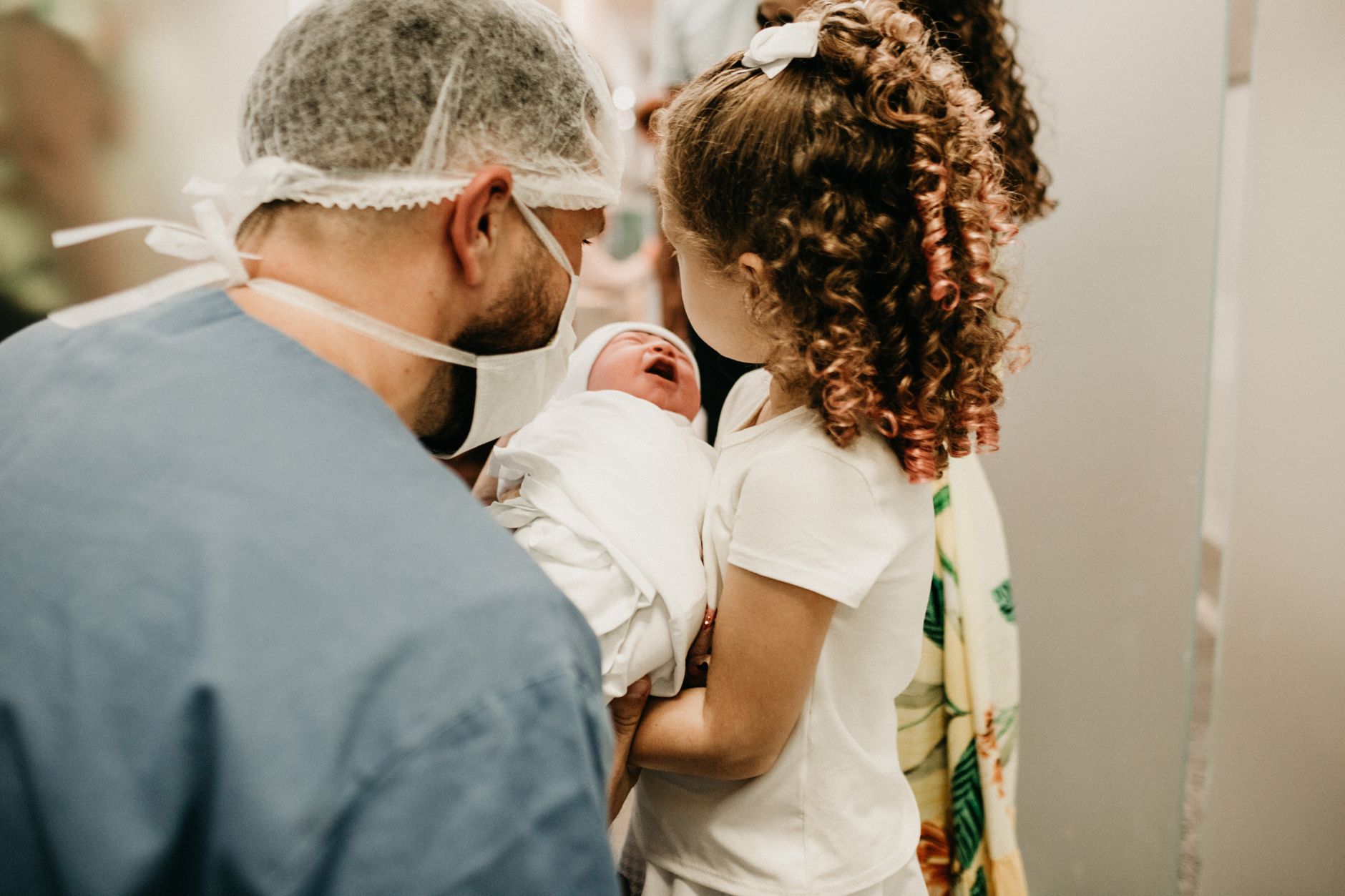
In the vast tapestry of human health, a new thread has been woven, linking the ordinal position of birth with a spectrum of disease risks. This comprehensive study, drawing on data from 10 million siblings, offers intriguing insights into how birth order might subtly influence one's vulnerability to a variety of diseases.
The notion that birth order impacts personality traits and life outcomes has long intrigued psychologists and sociologists alike. However, the leap from behavioural tendencies to physiological susceptibilities marks a novel frontier. This latest research delves deep into the human phenome, the complete set of phenotypes expressed in an individual, revealing a map of disease risks associated with an individual's birth position.
Firstborns, Middle Children, and the Youngest
Firstborns have often been characterised by their leadership qualities, yet this study suggests they may also bear a heightened predisposition to certain allergic conditions and autoimmune diseases. Middle children, frequently seen as peacekeepers, might face unique challenges, though the study indicates their health risks are less pronounced. Meanwhile, younger siblings, typically the rebels or 'free spirits', appear to have an increased susceptibility to metabolic and mental health disorders.
What drives these disparities? The researchers propose several hypotheses. One theory suggests that parental investment inevitably shifts with each additional child, potentially influencing health outcomes. Another points to the microbiological environment at home, which evolves as families grow, subtly altering the immune landscape each child encounters.
Implications for Future Health Strategies
While these findings are compelling, they also raise questions about the complex interplay of genetics, environment, and familial dynamics. The study's authors caution against viewing birth order as a deterministic factor but rather as one of many variables in the intricate equation of human health.
For healthcare providers, these insights could prove invaluable. Acknowledging birth order as a potential risk factor might refine screening processes, leading to earlier interventions for those deemed at higher risk. Moreover, this research underscores the importance of personalised medicine, where understanding an individual's unique background becomes a cornerstone of effective treatment.
In a world where medical breakthroughs often focus on genetic innovations, this study serves as a reminder that the circumstances of our birth, often overlooked, can hold vital clues to our health destiny. As researchers continue to unravel the myriad factors influencing disease risk, birth order joins the ranks of intriguing variables worthy of further exploration.