Unravelling the Cataclysm: Understanding Nepal's Flash Floods
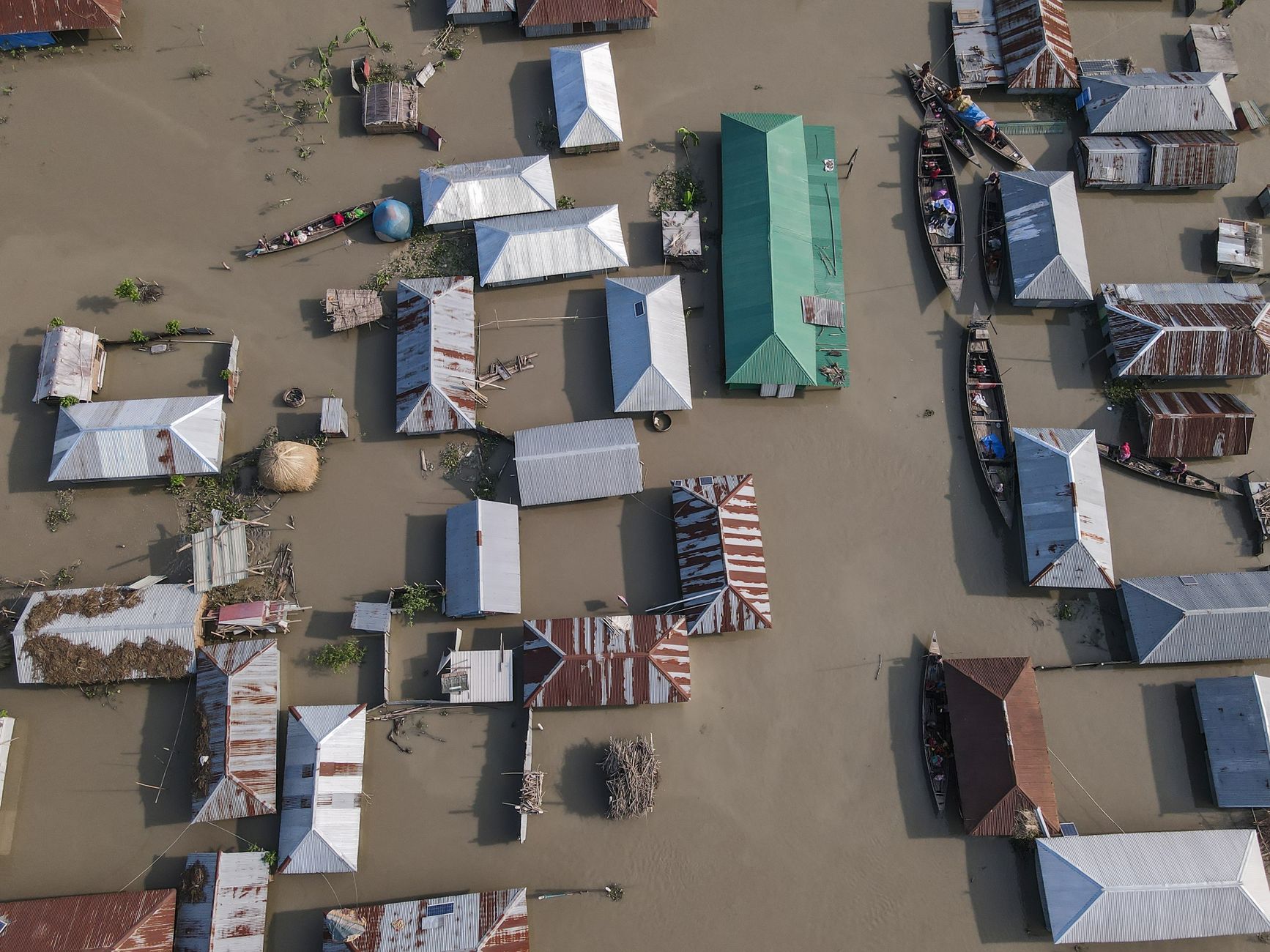
In the serene valleys of Nepal, where the Trishuli River winds its way through lush landscapes, a calamity of immense proportions unfolded. The recent flash floods that ravaged the region left a trail of devastation, claiming lives and obliterating infrastructure. Yet, the skies were clear, and no tremors were felt. What, then, caused this catastrophe?
Scientists are honing in on a chilling hypothesis: a massive ice chunk from a glacier may have tumbled thousands of metres into the river below. This event, akin to a natural dam break, unleashed torrents of water downstream, sweeping away everything in its path. The Trishuli, typically a placid river, became a roaring force of nature.
The Science of Glacial Hazards
Glacial lakes, perched high in the Himalayas, are time bombs waiting to explode. As glaciers retreat due to climate change, they leave behind these lakes, precariously held in place by ice or moraines — the natural debris acting as dams. When these barriers fail, either due to melting or external triggers like avalanches, the results can be catastrophic.
In this instance, it appears that a massive piece of glacier ice detached and fell into the river, creating a surge of water and debris. Such events, though rare, are not unprecedented in the region. The 2013 Kedarnath disaster in India shares eerie similarities, where a cloudburst and subsequent glacial lake outburst resulted in significant devastation.
Implications and Future Preparedness
The implications of these floods extend beyond immediate relief and rescue operations. They underscore the urgent need for better monitoring and early warning systems. Current radar and satellite technology, while advanced, failed to predict this event, highlighting a gap in our understanding of glacial dynamics.
As climate change accelerates glacial melting, the frequency of such events may increase, putting more communities at risk. Nepal, with its rugged terrain and remote settlements, faces unique challenges in disaster preparedness. Collaborative efforts, involving local governments, scientists, and international agencies, are crucial in developing strategies to mitigate future risks and enhance resilience.
In the aftermath of this tragedy, Nepal stands at a crossroads. The path forward requires not only rebuilding but also rethinking how to coexist with nature's unpredictable power. As the dust settles and the water recedes, the lessons learnt must guide future actions, ensuring that the next time nature's fury strikes, the response is swift and effective.