Unravelling the Environmental Triggers of Nepal's Tragic Landslide
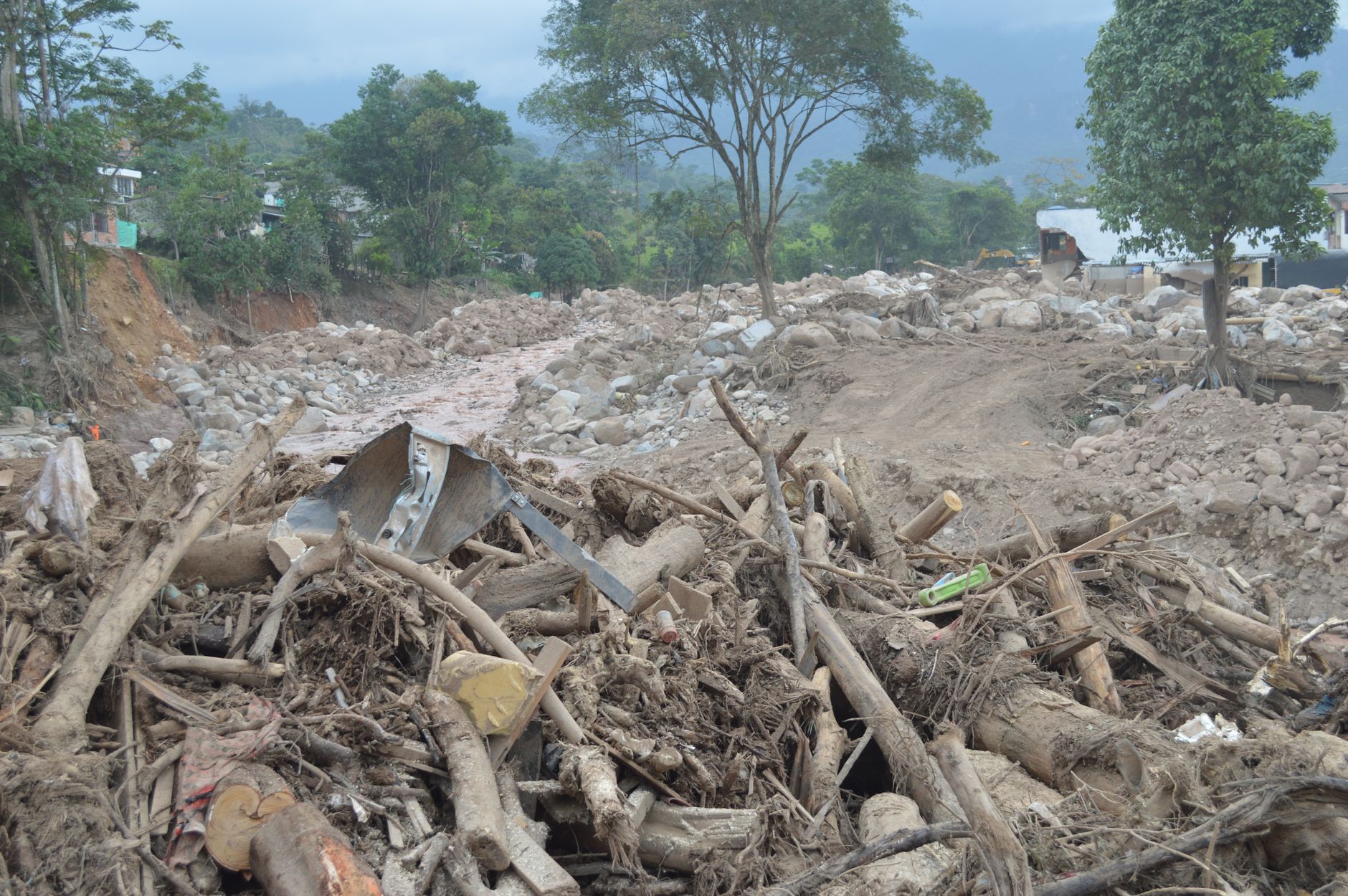
As the dust settles on the catastrophic landslide that struck along the Nepal-Tibet border, the search for answers begins. The tragedy, which has left numerous villages obliterated and hundreds of people unaccounted for, serves as a grim reminder of the region's vulnerability.
On a fateful Wednesday morning, a deluge of mud, ice, and rock descended upon the banks of the Trishuli river, also known locally as the Bhotekoshi. The river, coursing between China and Nepal, could not withstand the sudden onslaught, resulting in a flash flood that swept away everything in its wake. The true death toll remains unknown, adding to the agony of the communities involved.
The precise cause of the landslide is yet to be determined, but experts unanimously point to the extreme topography of the Himalayas as a significant factor. This region, characterised by its towering peaks and deep valleys, is perennially susceptible to such natural calamities. Monsoon rains, which have been particularly severe this season, exacerbate the risk, saturating the ground and triggering landslides.
The Role of Climate Change
While harsh weather is nothing new to Nepal, the frequency and intensity of such events have raised alarms. Scientists suggest that climate change may be playing a sinister role. Warming temperatures are causing glaciers to melt at an unprecedented rate, weakening the natural barriers that hold back potential landslides.
Moreover, the increasing unpredictability of weather patterns makes it challenging for local authorities to prepare adequately. As glaciers retreat and permafrost thaws, the stability of the terrain is compromised, setting the stage for disasters.
Human Impact and Future Implications
The human toll of the landslide is staggering. With over 826 people missing in Nepal and hundreds more across the border in Tibet, the tragedy highlights the urgent need for improved disaster preparedness. Many of the missing are foreign tourists, drawn to the region's natural beauty, now caught in nature's fury.
Experts advocate for better infrastructure and early warning systems to mitigate the impact of such events. As the world grapples with the broader implications of climate change, Nepal's plight serves as a stark reminder of the challenges ahead.
In the aftermath, the focus must shift to understanding these environmental triggers. Only then can we hope to reduce the vulnerability of those living in the shadow of the mighty Himalayas.