Unravelling the Mystery: Science Behind Nepal's Flash Floods
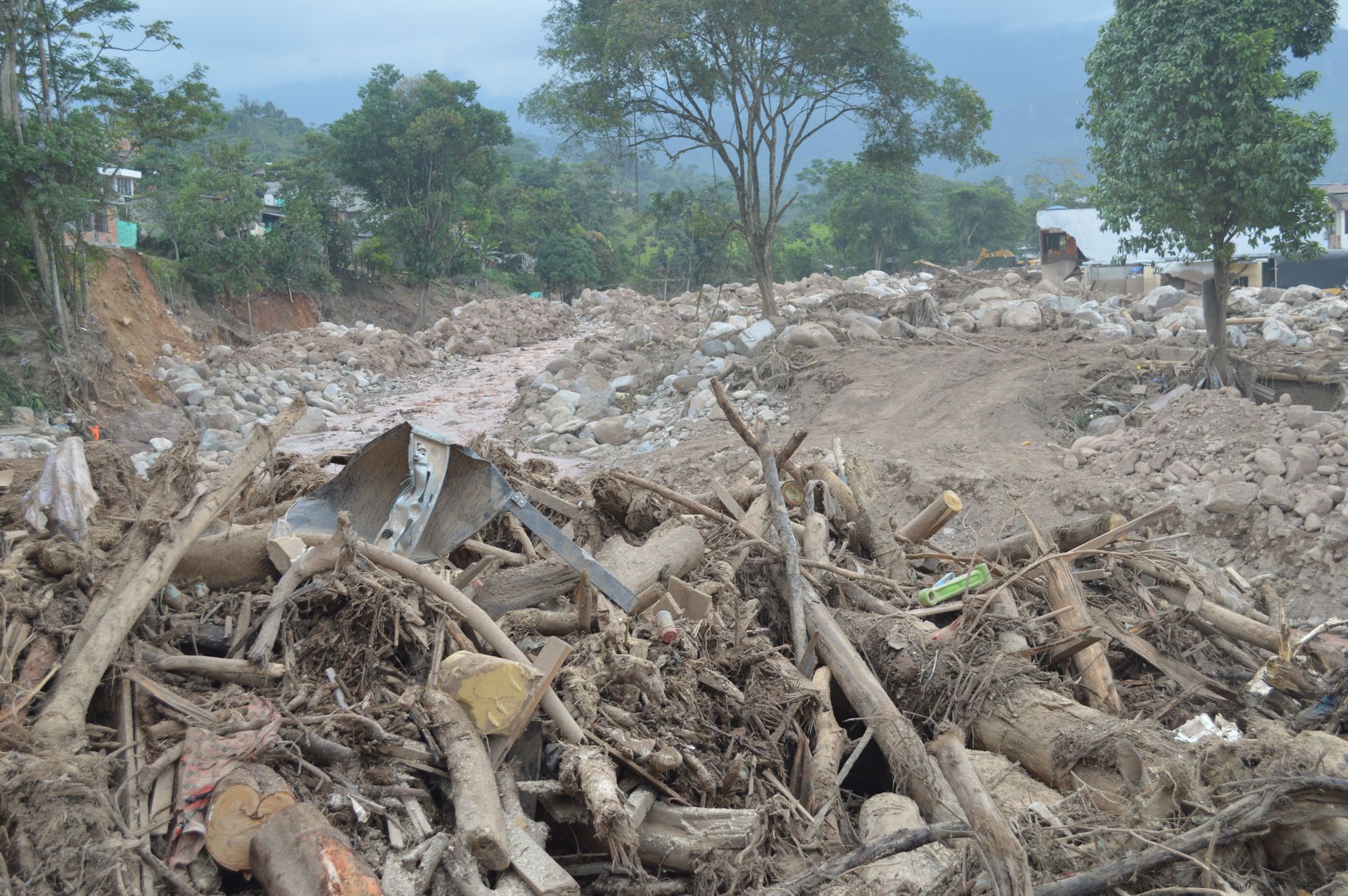
The tranquil Himalayan landscape was shattered when a sudden flash flood swept through Nepal's Nuwakot district, leaving a swathe of destruction in its wake. The tragedy unfolded without any warning signs of rain, leaving scientists scrambling for answers. A glacier collapse, it seems, is the culprit behind this natural calamity.
In the early hours of the morning, residents along the Trishuli River were jolted awake by the sound of rushing water. Entire villages were engulfed, with houses buried in sludge and livelihoods swept away in seconds. The death toll has risen to at least 180, with many more missing.
The Ice Fall Theory
While the disaster's suddenness caught many off guard, experts are beginning to piece together the chain of events. According to Dr. Dirk Hovius, a geologist, a massive section of ice likely sheared off from a glacier high in the mountains. This ice, cascading thousands of metres into the river below, unleashed a torrent of water and debris, devastating everything in its path.
Interestingly, local radar had shown no signs of the rain typically associated with such floods, nor was there any seismic activity to suggest an earthquake-triggered event. This anomaly has directed attention to the fragility of glaciers in the face of climate change.
Climate Change: A Silent Catalyst
Glaciers, the frozen reservoirs of the world's freshwater, are retreating at an alarming rate due to global warming. As they melt, the risk of such catastrophic events increases, threatening communities living in their shadow. Scientists warn that the frequency of glacier-related disasters is likely to rise as temperatures climb, making robust monitoring and early warning systems crucial.
For Nepal, a country already grappling with socio-economic challenges, the flood is a stark reminder of the unpredictability of nature and the urgent need for disaster preparedness.
As the region mourns its losses, the scientific community is galvanised to understand and mitigate the risks posed by a warming planet. The lessons from Nepal's tragedy underscore the intricate dance between nature's beauty and its potential for devastation.