Unravelling the Scientific Forces Behind Nepal's Flash Floods
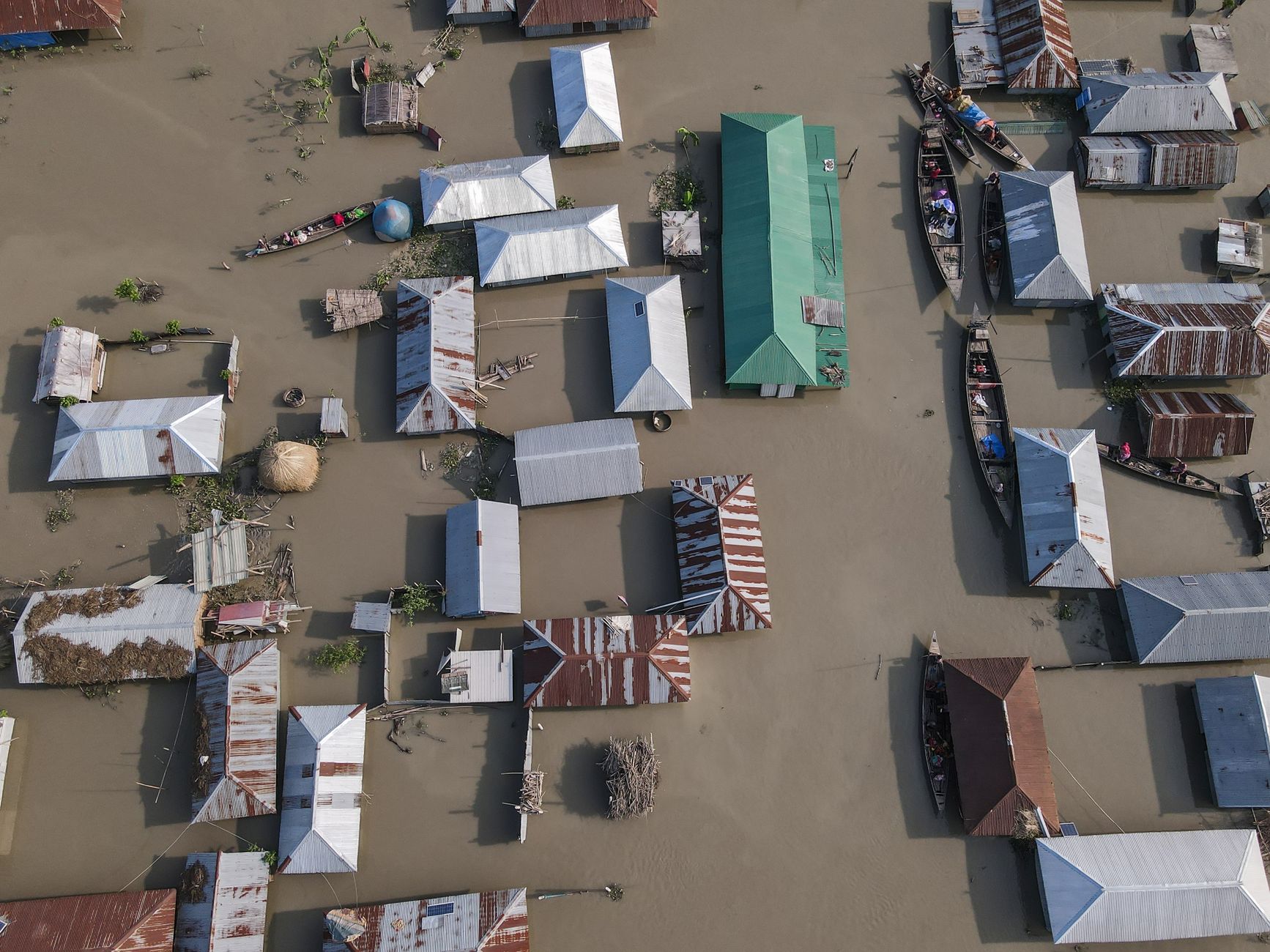
In the serene yet treacherous landscapes of northern Nepal, the tranquillity was shattered by a cataclysmic flash flood that swept across the Rasuwa district, leaving a trail of destruction in its wake. The disaster, which has claimed hundreds of lives, is now the subject of intense scientific scrutiny as experts endeavour to unravel the complex web of natural forces that triggered such devastation.
At the heart of this tragedy lies a stark reminder of the fragile equilibrium maintained by the Himalayan environment. The collapse of a glacier, an event not uncommon in these regions due to climate change, unleashed torrents of ice and water that cascaded down the mountainside with unrelenting force. The villages nestled in the foothills stood little chance against the onslaught, as homes were buried under layers of sludge and debris.
Professor Hermann Hovius, a renowned geologist, explains, "The collapse sent huge amounts of ice rapidly downhill, creating a destructive momentum that was exacerbated by the region's steep terrain." The interplay between geological and meteorological factors is a critical focus for scientists, who are now examining satellite imagery and climate data to understand the precise sequence of events.
While the immediate cause may be pinned on the glacier's demise, the broader picture points to the relentless march of climate change, which has rendered such phenomena increasingly frequent. The warming atmosphere has accelerated glacier melt, altering the hydrological patterns and destabilising the region's delicate ecosystem.
As the people of Rasuwa grapple with the aftermath, the scientific community is calling for urgent measures to mitigate future risks. Enhanced monitoring systems, sustainable land management practices, and international cooperation on climate initiatives are among the proposed solutions. Yet, the challenge remains steep, as economic and political hurdles often stand in the way of implementing effective change.
The flash floods of Nepal serve as a poignant reminder of nature's unpredictable fury and the pressing need for humanity to align its ambitions with the planet's ecological limits. As scientists continue their investigations, the hope is that lessons learned from this tragedy can pave the way for a safer, more sustainable future.