Unrest in PoK: The Evolving Dynamics of Political Mobilisation
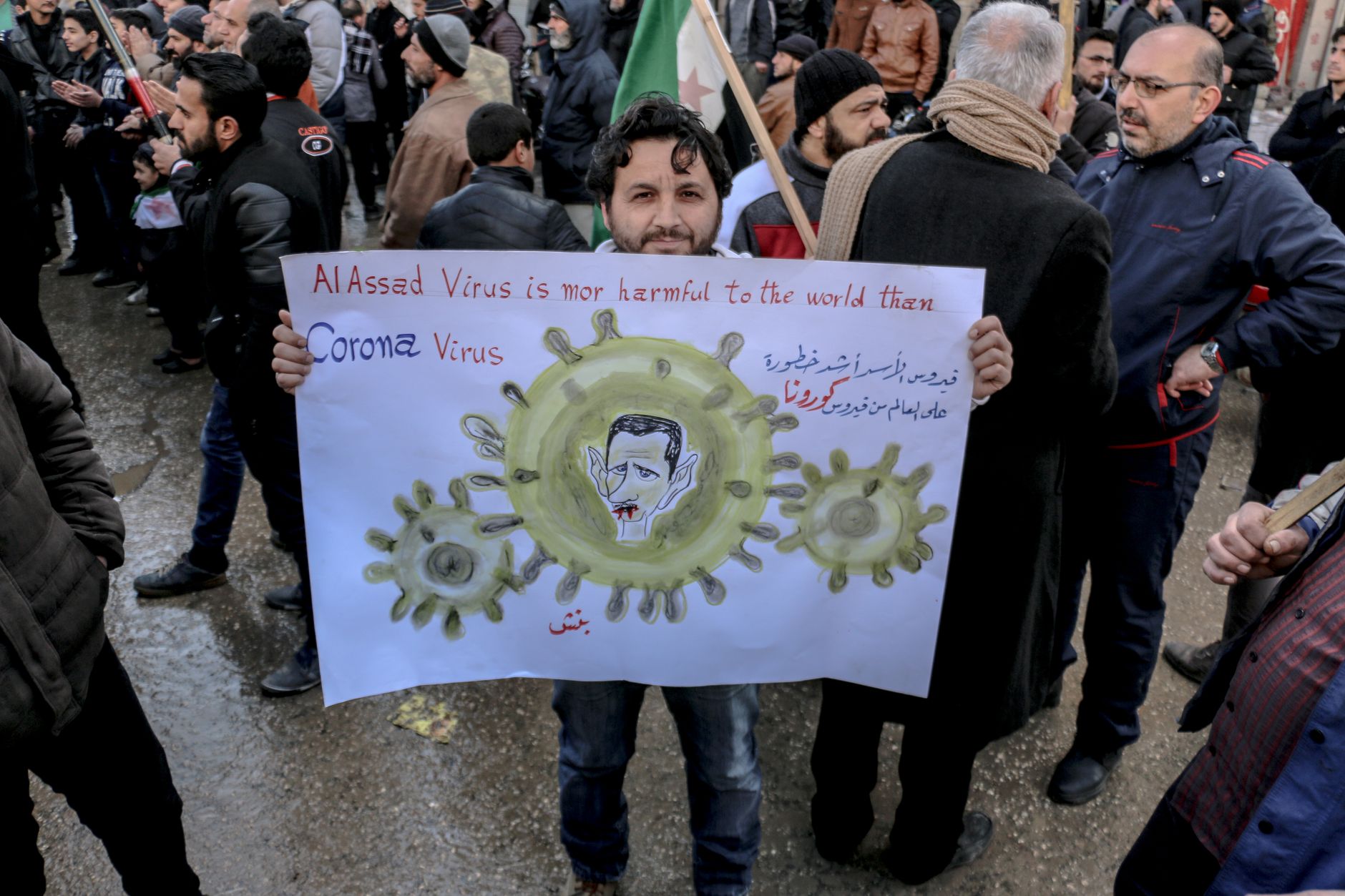
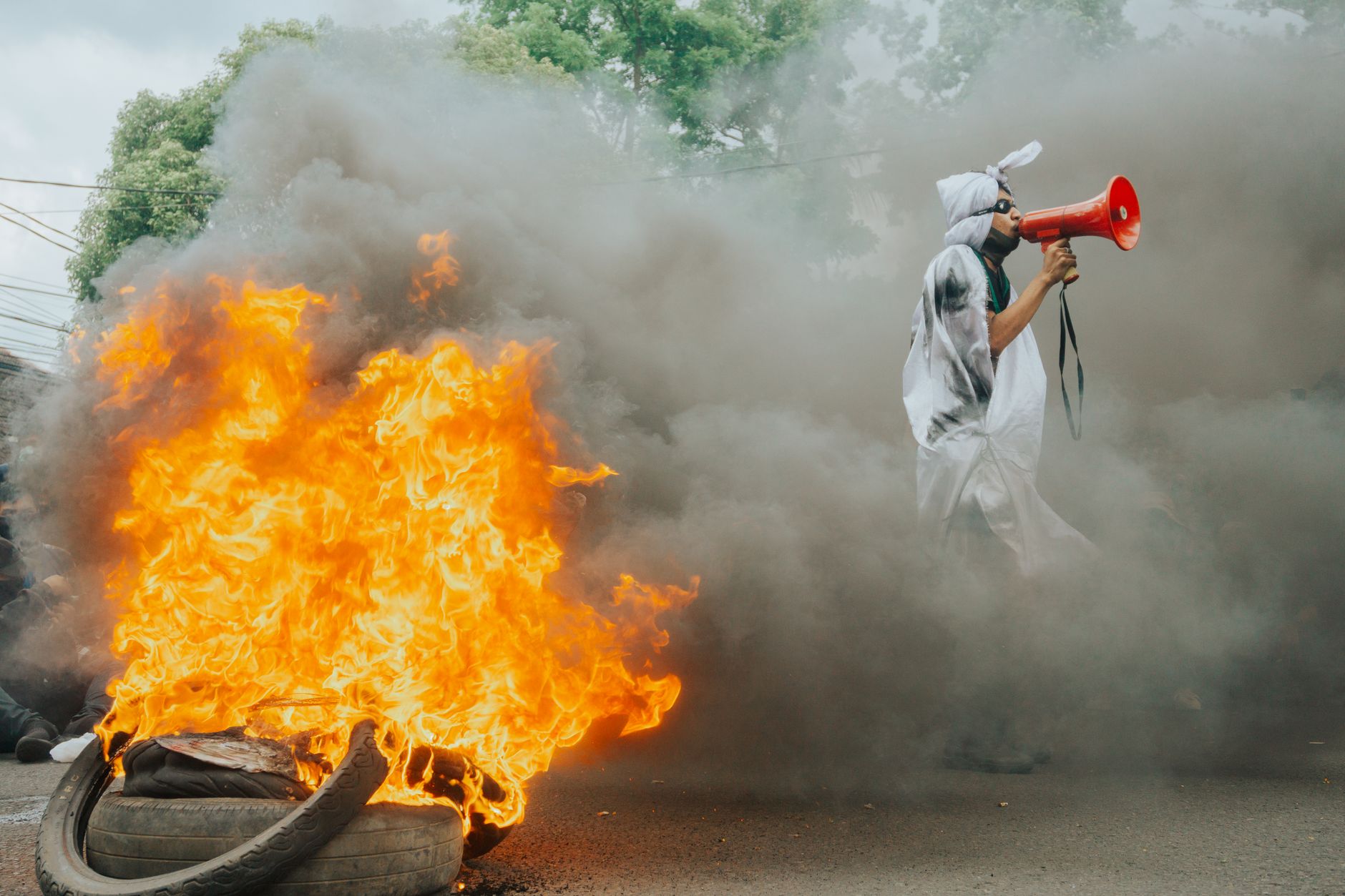
In the restive region of Pakistan-administered Kashmir, commonly referred to as PoK, the air is thick with the kind of anticipation that heralds change. Recent protests have transcended the usual litany of grievances over governance failures and economic woes, evolving into a more organised political movement.
The emergence of the Jammu Kashmir Joint Awami Action Committee in 2023 marked a significant turning point. It has become an umbrella for various factions, each with its own agenda but united in a common cause. The movement, albeit still nascent, is beginning to articulate demands for sweeping reforms in governance, political representation, healthcare, education, and policing.
The Complexity of Narratives
On the occasion of the 80th anniversary of India's and Pakistan's independence, the protests in PoK have sparked sharply contrasting narratives on either side of the border. Pakistan's government has been quick to attribute the unrest to external influences, namely India. Yet, local voices portray a different picture—one of deep-rooted discontentment and a yearning for political agency.
While the Pakistani authorities describe the mobilisations as orchestrated by external forces, many in PoK view them as a major internal revolt. The reality, as ever, is more complex. The grievances are not new but have gained a renewed urgency, amplified by the diminishing patience of the local populace.
Beyond Immediate Concerns
The 38-point charter of demands presented by protestors does not merely address immediate economic concerns. It calls for extensive reforms that touch upon every facet of daily life, reflecting a deeper discontent with the status quo. Electricity shortages, rising prices, and lack of political representation are but the tip of the iceberg.
In the charged atmosphere, the politics of mobilisation in PoK seem poised for a transformation. The region, often overshadowed by larger geopolitical narratives, is asserting its own voice in a bid for self-determination. As the situation unfolds, it becomes ever more crucial for the international community to understand the nuanced realities of PoK, beyond the simplistic narratives often portrayed.