Unsung Mathematician's Legacy Finally Recognised After Her Passing
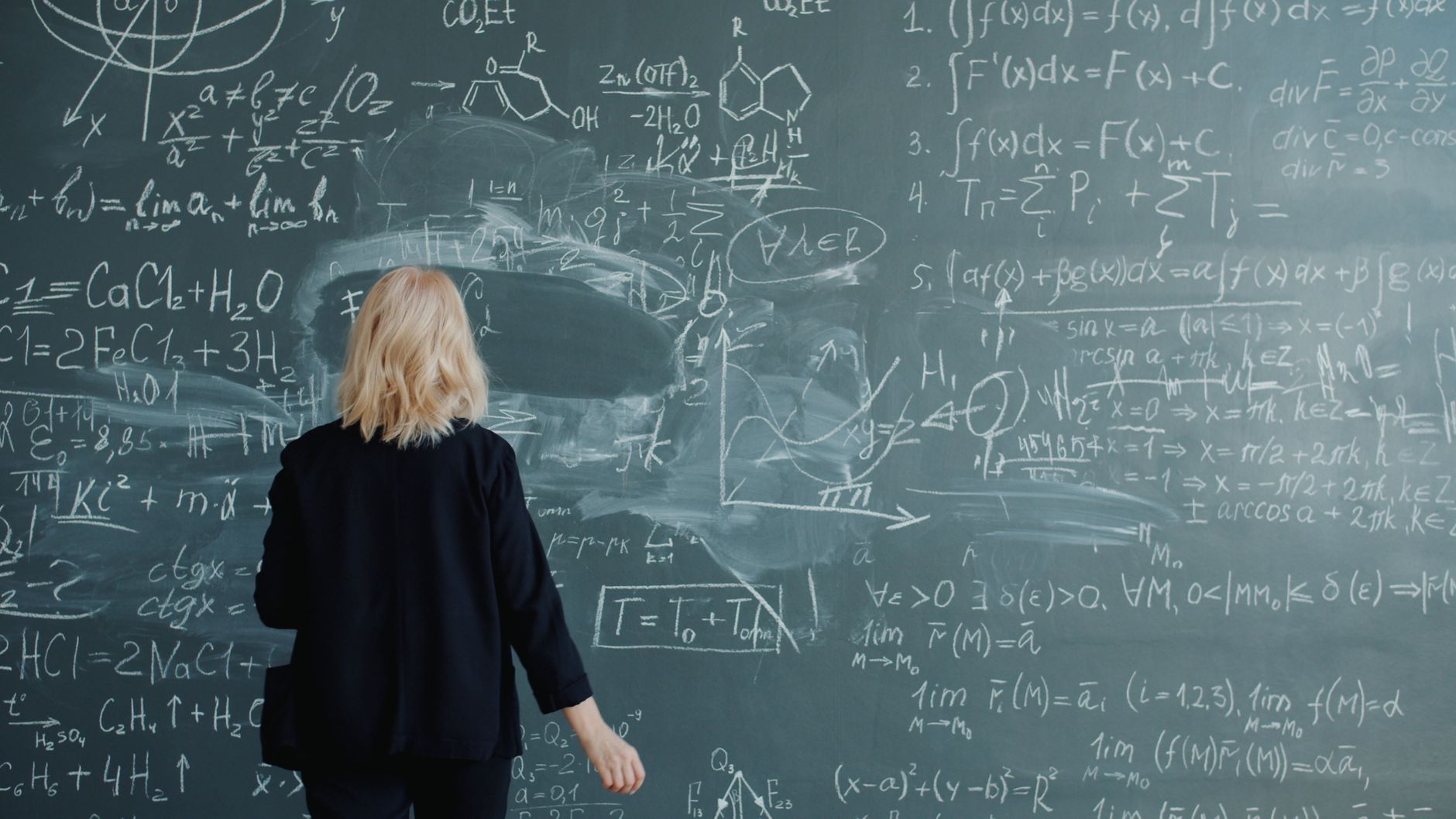
In a world where scientific achievements often bear the names of eminent men, the quiet passing of a mathematician, whose work laid the groundwork for the Fermi-Pasta-Ulam problem, is a sombre reminder of the unsung contributions of women in science. Her name might not have been etched into the annals of mathematical history, but her influence is undeniable.
It was in the early 1950s that she embarked on a project to translate complex equations into a format digestible by the MANIAC computer. This effort, painstakingly coded onto punched tape, enabled the creation of the Fermi-Pasta-Ulam problem, a milestone in chaos theory and computational mathematics. Yet, history reserved its accolades for the men associated with the project, leaving her contribution largely in the shadows.
The mathematician waited fifty years for the recognition that eluded her during her lifetime. While the FPU problem gained prominence, her role in its inception was seldom mentioned, a fate not uncommon for women in the scientific domain during that era.
The Legacy of Overlooked Contributions
Her story is emblematic of a broader issue within the scientific community. Women, despite their significant contributions, have often been relegated to the background, their names conspicuously absent from major scientific breakthroughs. This is not merely a historical oversight but a continuing challenge, as the quest for gender equality in STEM fields remains ongoing.
As we reflect on her legacy, there is a pressing need to re-evaluate how credit and recognition are distributed in scientific endeavours. Her contribution, though belatedly acknowledged, serves as an inspiration to young women pursuing careers in mathematics and science. It is a call to action for institutions to ensure that recognition is inclusive and equitable.
A Call for Change
Today, as we pay tribute to her life and work, it is a moment to celebrate her perseverance and to advocate for a future where such stories are less common. The scientific community must strive to foster an environment where contributions are recognised irrespective of gender. Her life may have ended, but her story continues to resonate, urging us to honour all voices in the scientific narrative.