Unveiling Humanity's Mark on the Earth's Water Cycle
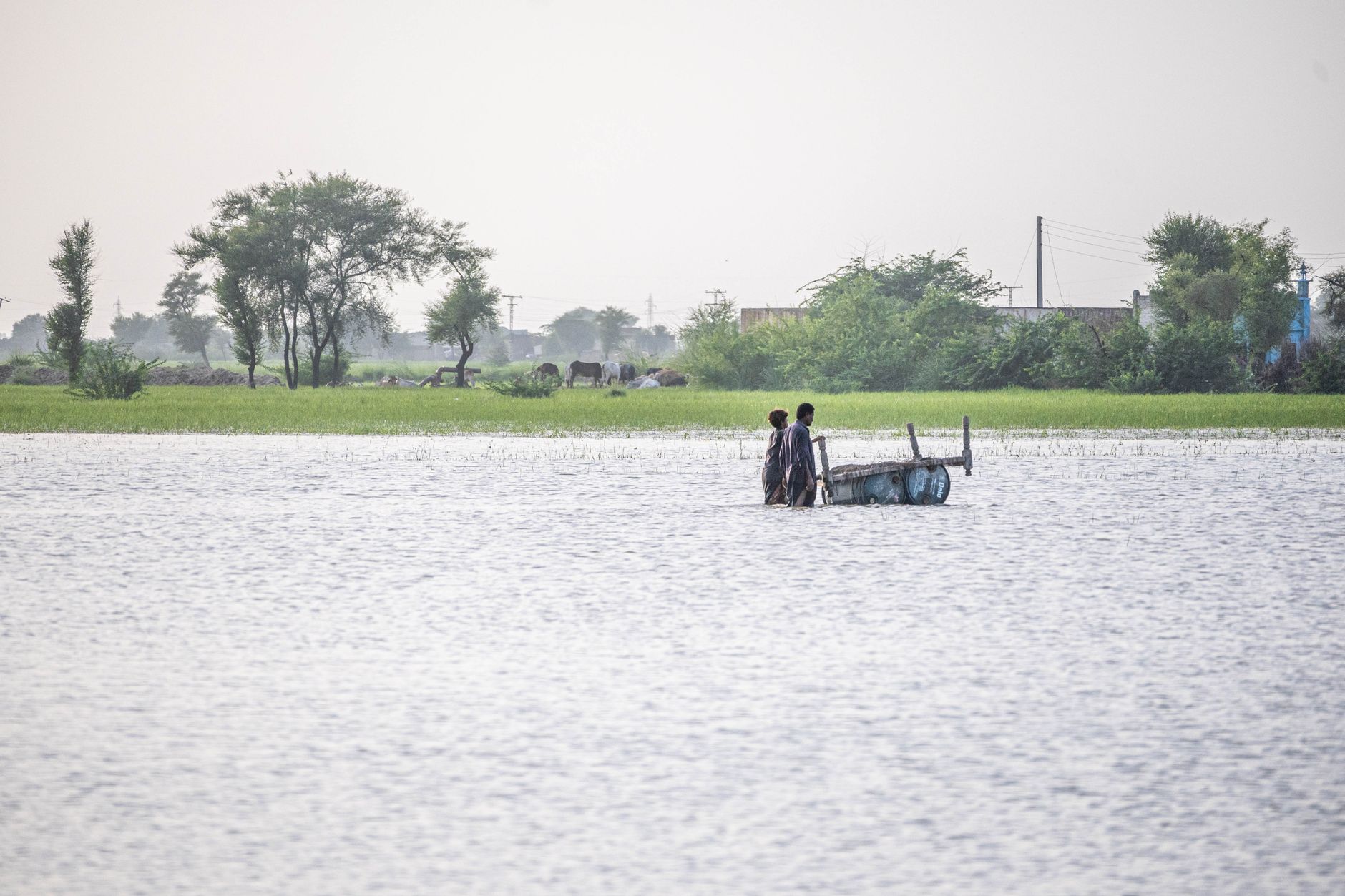
The serene image of a lone figure dipping their fingers into a mountain lake might once have seemed an innocuous interaction with nature. However, recent research suggests that humanity's touch on Earth's water cycle is anything but benign. Over the past decade, satellite observations, particularly from NASA's GRACE mission, have shed light on how human activities are reshaping this fundamental cycle.
GRACE, or the Gravity Recovery and Climate Experiment, has enabled scientists to observe changes in Earth's freshwater distribution. The findings are striking. Human activities, from agriculture to urbanisation, are not only diverting water but also altering the natural rhythm of evaporation and precipitation. As we pump groundwater to irrigate fields or construct vast reservoirs, we are inadvertently tipping the scales of the hydrological cycle.
The Ripple Effect
These changes in water availability have far-reaching implications. Regions once flush with water now face scarcity, while others experience flooding. The impacts are multifaceted, affecting agriculture, biodiversity, and even geopolitical stability. The loss of freshwater in some regions is starkly juxtaposed with the inundation of others, creating a paradox of drought and deluge.
Moreover, the alterations in the water cycle are contributing to climate change, creating feedback loops that exacerbate global warming. As ice caps melt and sea levels rise, the displacement of water further complicates the cycle. This intricate web of cause and effect underscores the urgency of addressing these changes.
Call to Action
Scientists are urging policymakers to prioritise sustainable water management practices. The challenge lies in balancing human needs with environmental preservation. Innovative solutions, like water recycling and responsible irrigation, are essential. Ultimately, it is not just about preserving what remains but restoring what has been altered.
In this era of climate consciousness, recognising our role in shaping the water cycle is crucial. This understanding is the first step towards a more sustainable interaction with our planet's most vital resource. As the evidence mounts, the call for action grows louder, urging humanity to tread lightly on the delicate balance of Earth's natural systems.