Unveiling the Ancestral Cyclops: The Origin of Human Eyes
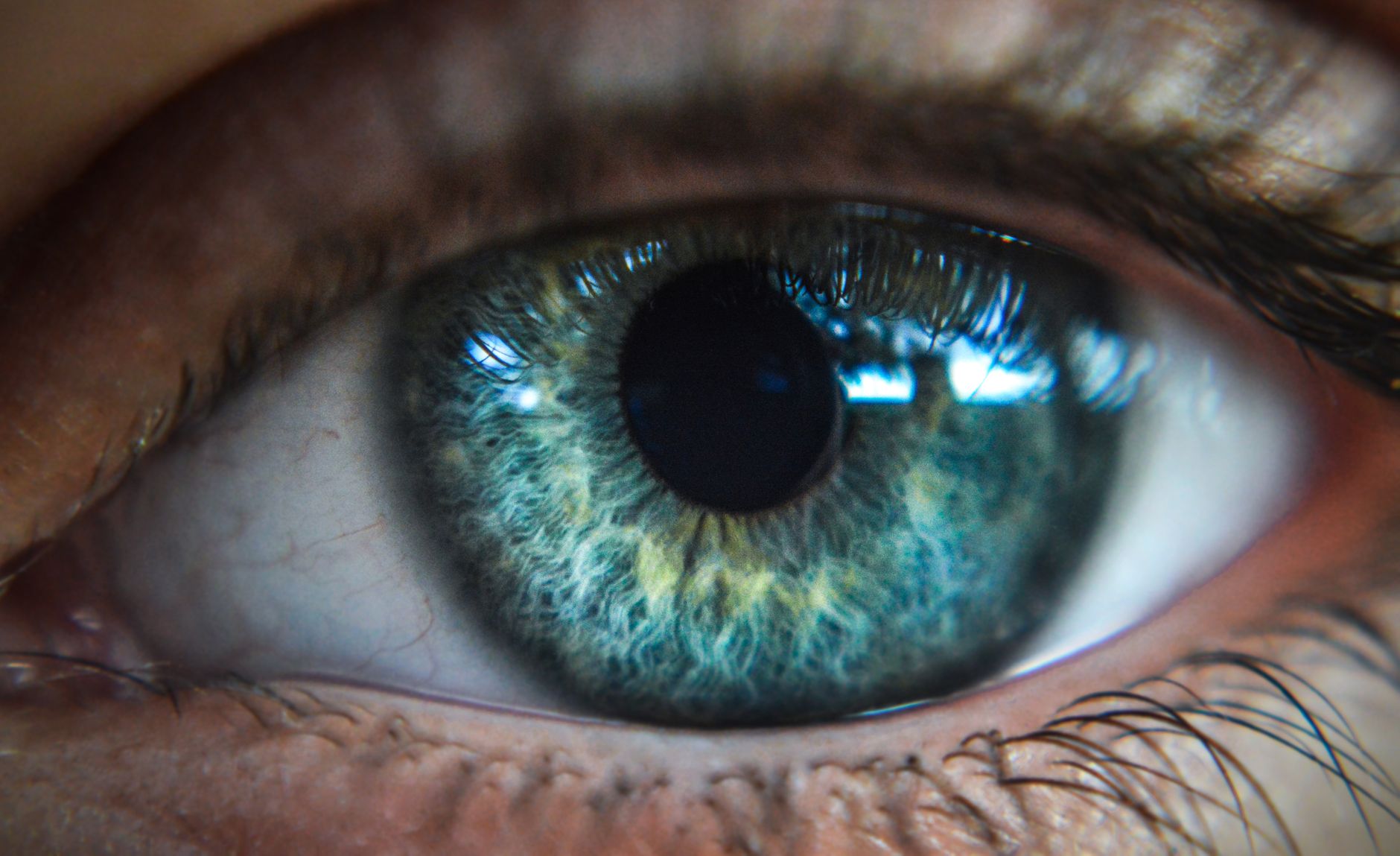
The annals of evolutionary biology are filled with surprises, but few could be more astonishing than the revelation that our own eyes owe their existence to a creature that once gazed at the world through a single, solitary eye. This ancient 'cyclops', discovered through the diligent efforts of researchers at Lund University, lived some 600 million years ago—a time when Earth's biological tapestry was still in its infancy.
This diminutive, one-eyed ancestor is now believed to have set the stage for the development of the complex visual systems that vertebrates, including humans, possess today. The creature's singular eye eventually led to the paired eyes we now consider normal, providing a fascinating glimpse into the evolutionary processes that have shaped not just our anatomy but our very perception of the world.
The Cyclops and the Pineal Gland
Even more intriguing is the suggestion that this ancient visual system may still echo within us in the form of the pineal gland. Situated deep within the brain, this small organ, often dubbed the 'third eye', plays a crucial role in regulating sleep patterns. Its evolutionary link to the cyclops-like creature offers a tantalising insight into the continuity of biological features across vast epochs of time.
According to the researchers, these findings not only deepen our understanding of the origins of vision but also highlight the complex interplay of evolutionary forces that have preserved such traits. The study underscores the interconnectedness of life, where even the most primitive organisms can leave a legacy that endures through the ages.
The implications of this discovery extend beyond the realm of science, prompting a re-evaluation of how humans perceive their place in the natural world. As we peer into the ancient past through the lens of modern science, we are reminded of the intricate tapestry of life and the surprising links that bind us to our distant ancestors.