Unveiling the Birthplaces of the Universe's First Giants
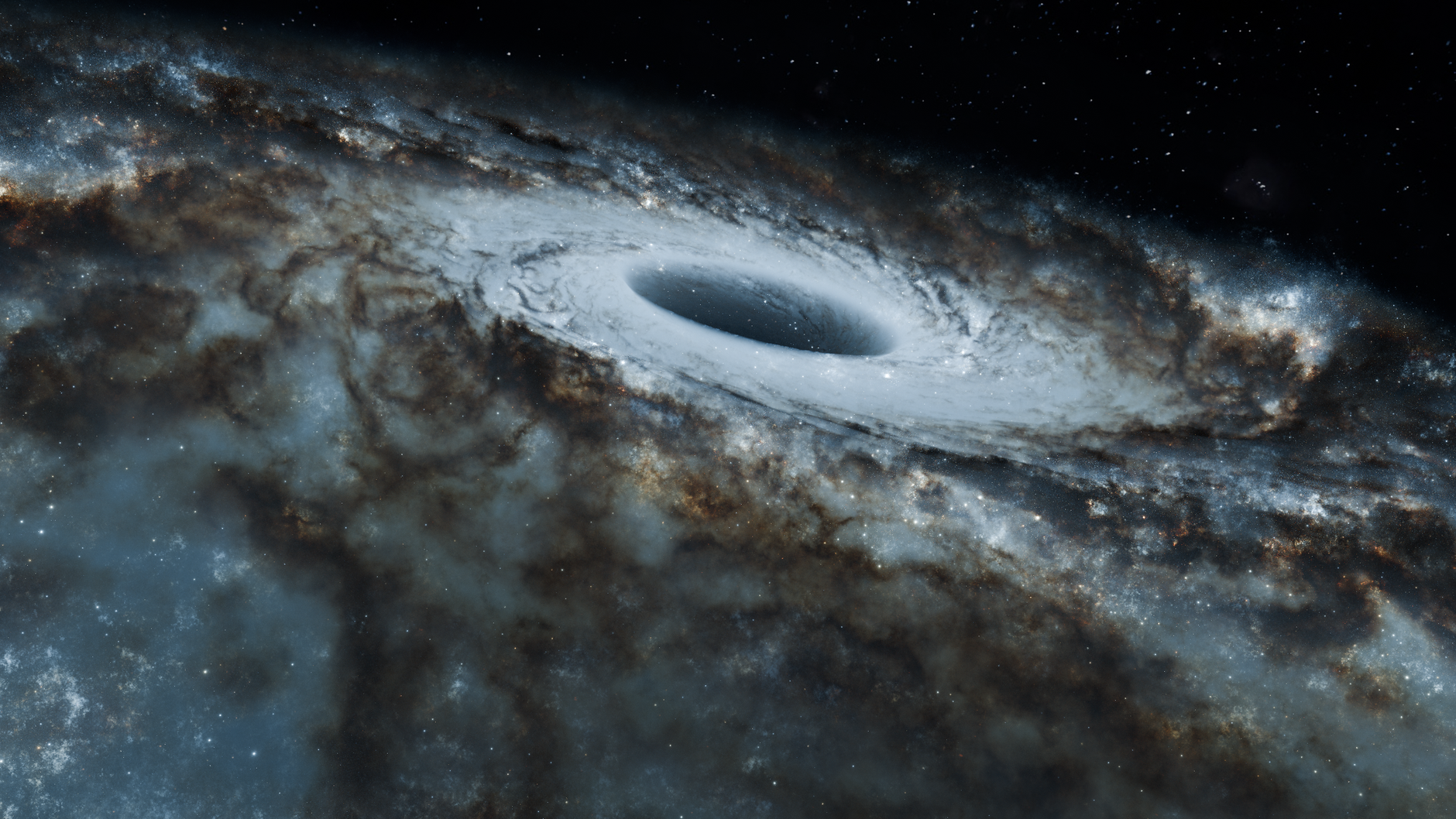
In a cosmic detective story set billions of years ago, scientists have begun to unravel the mysteries of where the universe's first supermassive black holes were born. These colossal entities, whose gravitational pull is so intense that not even light can escape, have long fascinated astronomers. A recent study has provided fresh insights into the environments that nurtured these giants.
The revelation comes from a series of simulations and observations that delve into the conditions of the early universe. It appears that these primordial titans could have formed as early as 13.64 billion years ago, less than 500 million years after the Big Bang. This was a time when the universe was a turbulent sea of gases and radiation, a far cry from the structured galaxies we observe today.
Ancient Seeds of Colossal Growth
One of the leading theories suggests that supermassive black holes began as 'seeds' formed through the direct collapse of massive gas clouds. This process is distinct from the formation of smaller black holes, which often result from the explosive deaths of massive stars. Instead, these early black holes could have grown rapidly by accreting vast amounts of matter, leading to the behemoths we observe in the centres of galaxies today.
Researchers have used advanced cosmological radiation-hydrodynamic simulations to map out these early environments. The simulations reveal a vibrant picture of the gas density distribution around target halos at a redshift of z=12, offering a glimpse into a universe in its infancy.
The Broader Implications for Cosmology
Understanding how these supermassive black holes formed is crucial for piecing together the broader puzzle of cosmic evolution. These entities play a significant role in the formation and development of galaxies, influencing their structure and the rate at which stars are born.
The findings not only deepen our understanding of the past but also enhance our comprehension of the universe's ongoing narrative. As telescopes and technology advance, the hope is that we will continue to uncover the secrets of these cosmic titans, offering a clearer picture of the universe's infancy.