Unveiling the Enigma: The True Nature of Turtles
Perched on a sun-dappled log, a turtle gazes serenely into its reflection—a creature both ancient and intriguing. These reptiles, sometimes mistaken for amphibians, belong to the order Testudines, a group that has thrived for over 200 million years. What precisely defines a turtle has been the subject of scientific scrutiny for decades, but recent fossil discoveries might just hold the answer.
The latest study of 210-million-year-old skull fossils has provided crucial insights into the evolutionary trajectory of turtles. These findings have resolved longstanding debates among paleontologists, particularly regarding the divergence between the two major turtle groups: Pleurodira and Cryptodira. The primary distinction lies in how their heads retract—sideways for Pleurodira and backward for Cryptodira—a simple yet profound difference in their evolutionary paths.
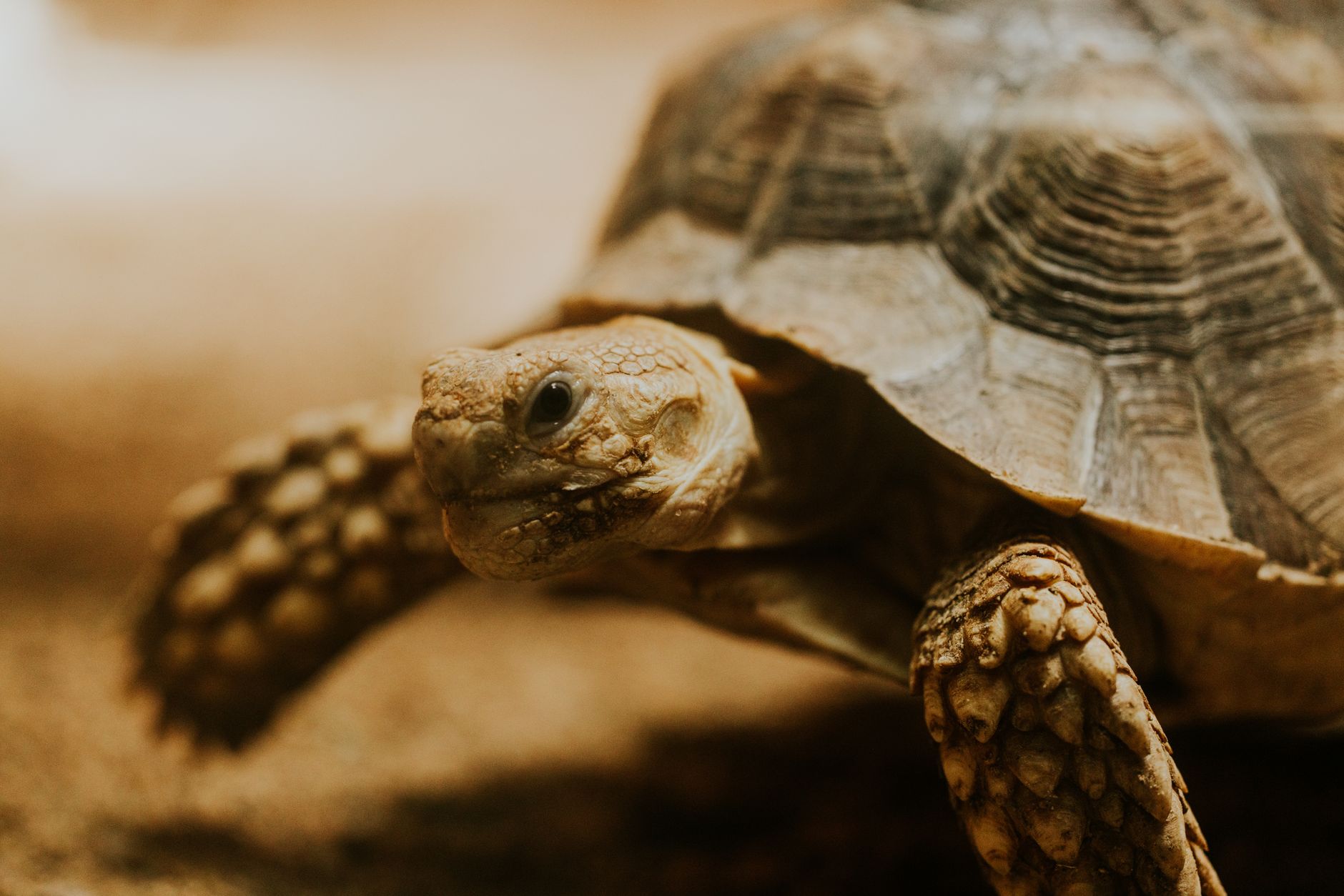
These creatures are not just confined to water; some species are terrestrial, further blurring the lines between turtles and their often-confused relatives, tortoises. Tortoises, while part of the same order, belong to different classification families, typically adapted for life on land with dome-shaped shells and sturdy limbs.
The fascination with turtles extends beyond their biological quirks. They occupy a unique niche in ecosystems, serving as both predator and prey, and are indicators of environmental health. Their shells, evolved from rib modifications, act as protective armour, a feature as extraordinary as their keratinised, toothless beaks used for foraging.
As climate change and human encroachment threaten their habitats, understanding turtles' evolutionary history becomes more than academic curiosity. It is a call to action to preserve these enigmatic creatures and the rich history they represent. With new discoveries shedding light on their past, the future of turtles continues to be a subject of both scientific and existential interest.