Unveiling the Moon's Dual Faces: A Celestial Enigma Solved
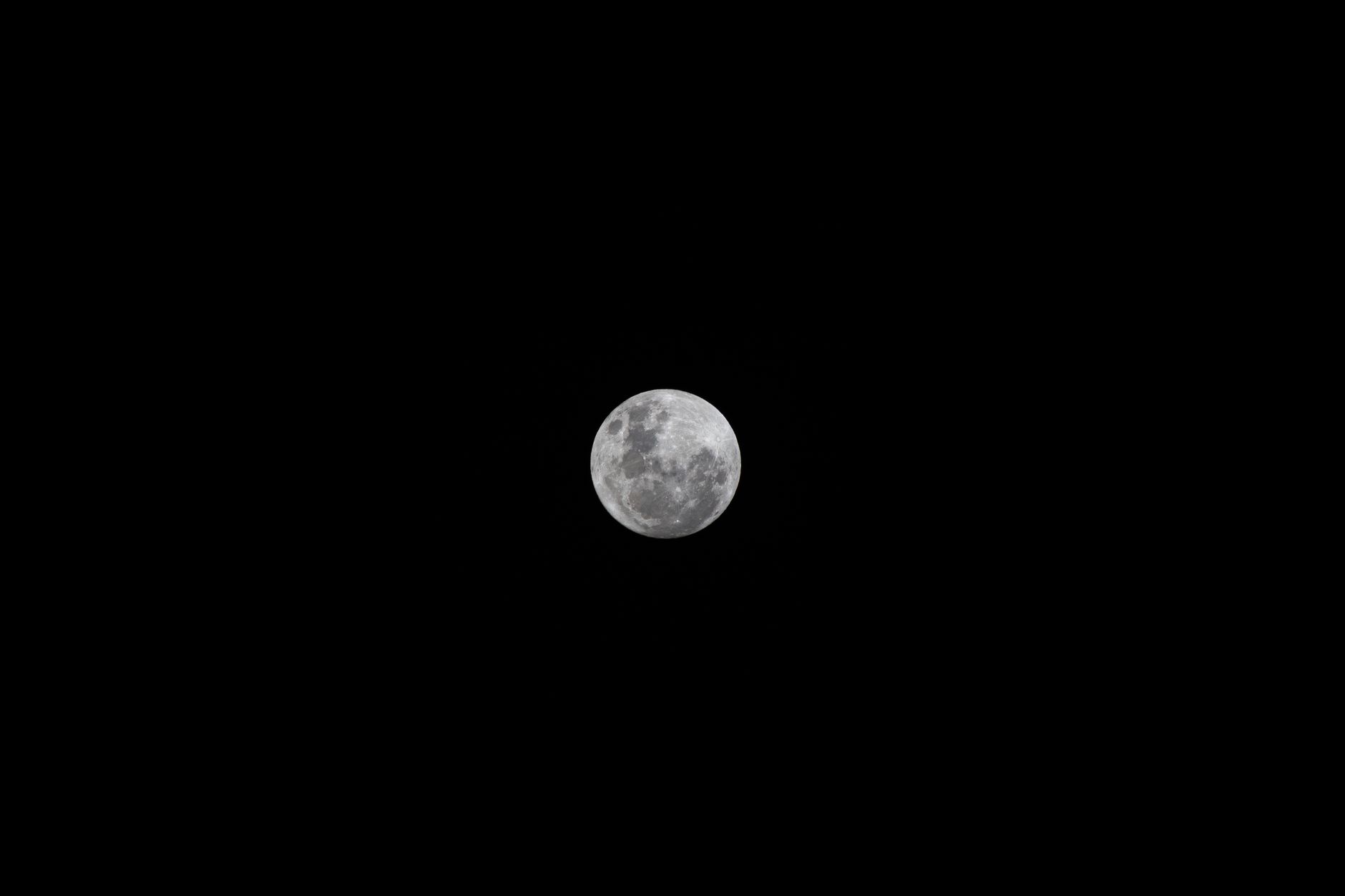
The Moon has long been a source of fascination and mystery, not least because of its two strikingly different faces. The near side, familiar to us Earth-dwellers, is marked by dark, volcanic plains known as 'maria'. In stark contrast, the far side is dominated by craters and is notably deficient in such dark features. For years, scientists have been scratching their heads over this disparity, but it seems they may finally have an answer.
Recent research suggests that the mystery lies in the Moon’s geological past, particularly in its early volcanic activity. The near side, it appears, was more geologically active, leading to the extensive volcanic plains we see today. This is due to the distribution of radioactive elements such as potassium, thorium, and uranium, which generate heat. These elements were more concentrated on the near side, causing the crust to thin and allowing lava to flood out, creating the maria.
In contrast, the far side remained relatively untouched by such volcanic forces, resulting in a surface pockmarked with craters but lacking the dark plains. This distinction has provided scientists with invaluable insights into the Moon's history and its thermal evolution, helping piece together the complex puzzle of lunar formation.
Understanding the Moon's dual personality not only satisfies scientific curiosity but also aids in broader planetary studies. The Moon serves as a natural laboratory, offering clues about the processes that shape rocky planets and their satellites. As scientists continue to probe the depths of lunar history, each discovery brings us closer to unravelling the broader mysteries of our solar system.
As exploration missions gear up to return to the Moon, this newfound knowledge could prove instrumental in planning future expeditions, potentially guiding human feet once more onto its storied surface.