Unveiling the Origins of Supermassive Black Holes
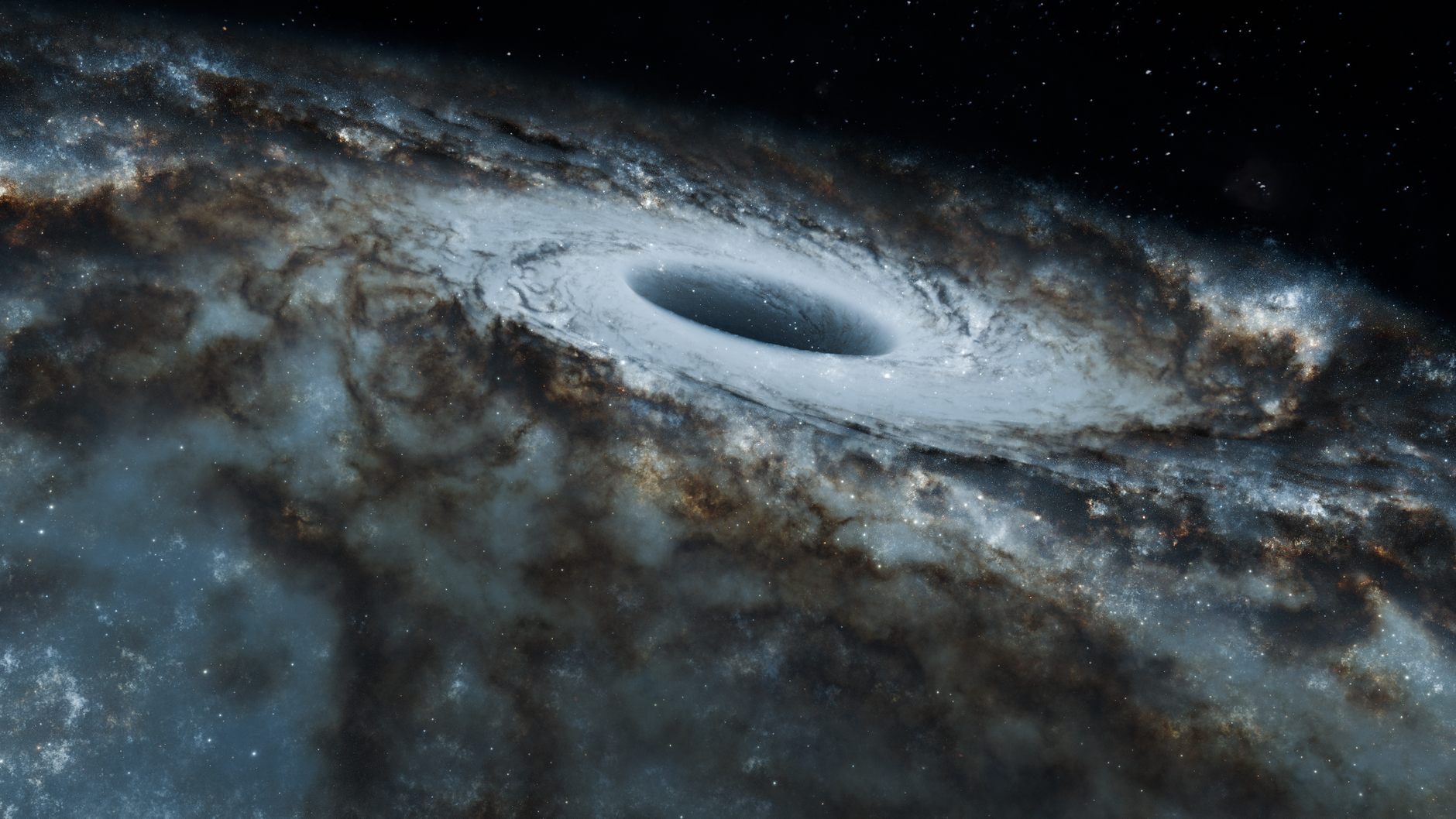
In a bold stride towards understanding the cosmos, researchers have measured the primordial environments where the universe's first supermassive black holes came into being. These cosmic giants, forming less than 500 million years after the Big Bang, challenge our comprehension of early cosmic conditions.
The study, anchored in cosmological radiation-hydrodynamic simulations, reveals that massive black hole seeds emerged via direct collapse. At a redshift of z=12, the gas density distribution around target halos paints a vivid picture of these ancient realms. Dr. Latif, a key figure in the research, likens these supermassive stars to the dinosaurs of our planet—enormous, short-lived, and primitive.
These stars, weighing between 30,000 to 40,000 solar masses, collapsed into black holes within a few million years. This rapid transformation underscores the dynamic nature of early cosmic environments, where conditions were ripe for such monumental formations.
Understanding these early environments is crucial not only for astrophysics but also for comprehending the universe's evolution. The ability to trace the origins of such colossal entities may offer insights into the building blocks of galaxies and the intricate dance of cosmic forces that shaped the universe we observe today.
The Enigma of Cosmic Giants
Supermassive black holes have always been shrouded in mystery. Their formation mechanisms and the environments that fostered them remain enigmatic. However, this research provides a glimpse into the conditions that allowed such massive black hole seeds to form.
The findings highlight the importance of high-density gas regions and the unique conditions of the early universe. These regions served as the cradles of supermassive stars, whose eventual collapse gave birth to the black holes we are now beginning to understand.
This research not only enriches our understanding of black hole formation but also paves the way for future explorations into the universe’s most profound mysteries. As we continue to peel back the layers of the cosmos, each discovery brings us closer to unravelling the intricate tapestry of the universe's history.