Unveiling the Thymus: New Insights into Myasthenia Gravis
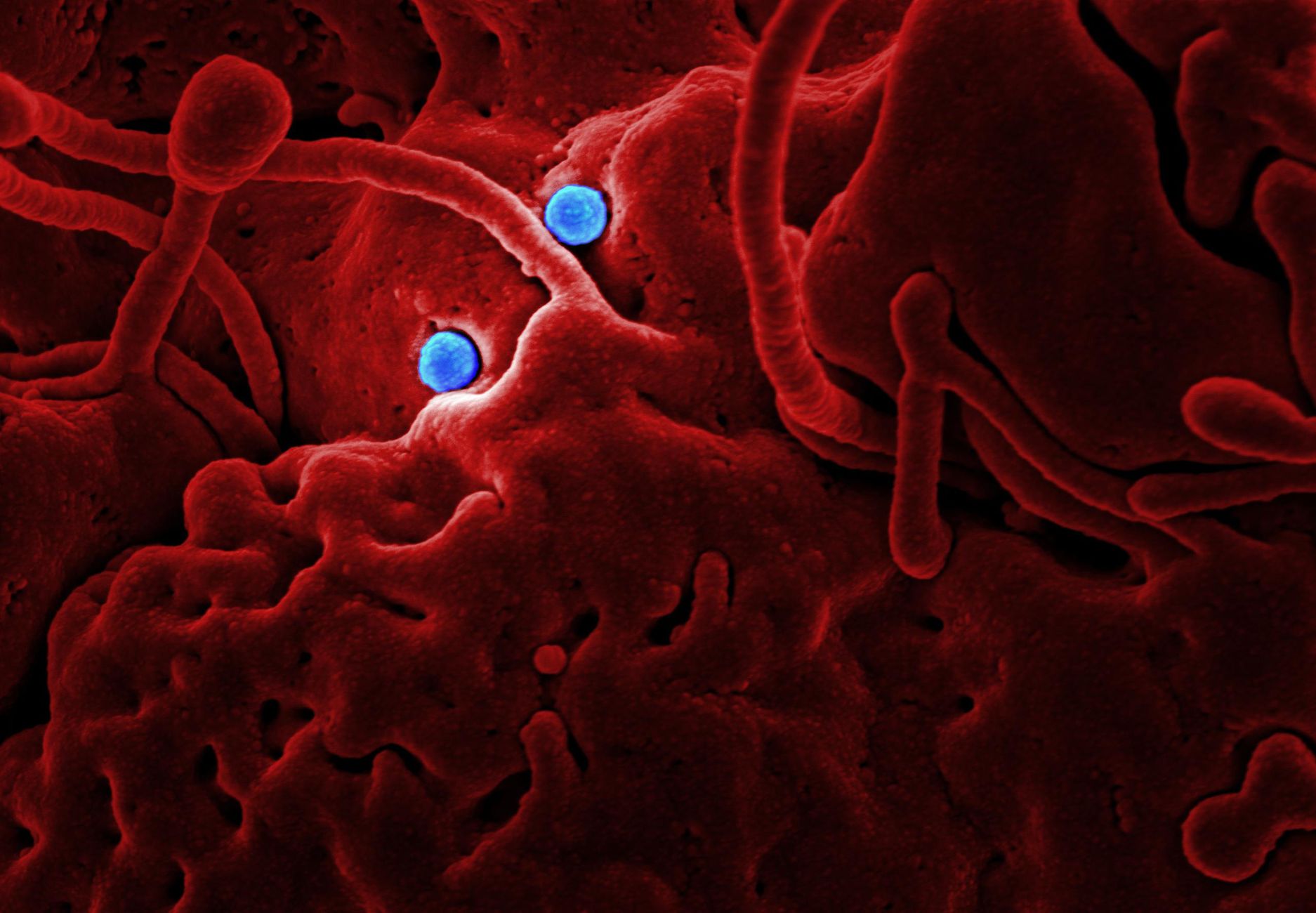
The intricate dance of the immune system, often hidden from plain view, has once again revealed a secret. In the thymuses of patients suffering from myasthenia gravis (MG), a hidden immune environment has been uncovered, shedding new light on the pathogenesis of this debilitating autoimmune disorder.
Dr. Bharat and his team have delved deep into the thymic mysteries, discovering that this gland—a key player in immune system development—may harbour more secrets than previously thought. Their research suggests that the thymus not only acts as a site of immune sensitisation to the acetylcholine receptor (AChR) but also creates a peculiar environment that nurtures certain B cells, contributing to the persistence of the disease.
Myasthenia gravis, characterised by the immune system's misguided attack on nerve-muscle communication, has long been associated with antibodies targeting the AChR. However, Dr. Bharat's findings propose that antibodies are only part of the story. The thymus, particularly in seronegative MG patients, appears to allow a clonal heterogeneity of thymic B cells, fostering their survival even post-thymectomy—a surgical procedure to remove the thymus.
Such revelations present an intriguing conundrum for scientists and clinicians alike. The role of Toll-like receptor (TLR) 4 overexpression in MG thymuses suggests a broader innate immune response at play. HLA loci, already known to influence MG susceptibility in early-onset cases, may be intricately linked with these newly discovered mechanisms.
The implications of these discoveries are profound. They not only challenge the conventional wisdom surrounding MG but also open new avenues for potential therapies. By targeting the thymus's unique immune microenvironment, it might be possible to devise strategies that mitigate the disease's impact, offering hope to those affected by this chronic condition.
As the scientific community digests these findings, one thing is clear: the thymus, often sidelined in discussions of MG, deserves more attention. It is a reminder that the human immune system, in all its complexity, still holds many secrets waiting to be uncovered.