Urgent Community Action Needed to Tackle DRC's Ebola Crisis
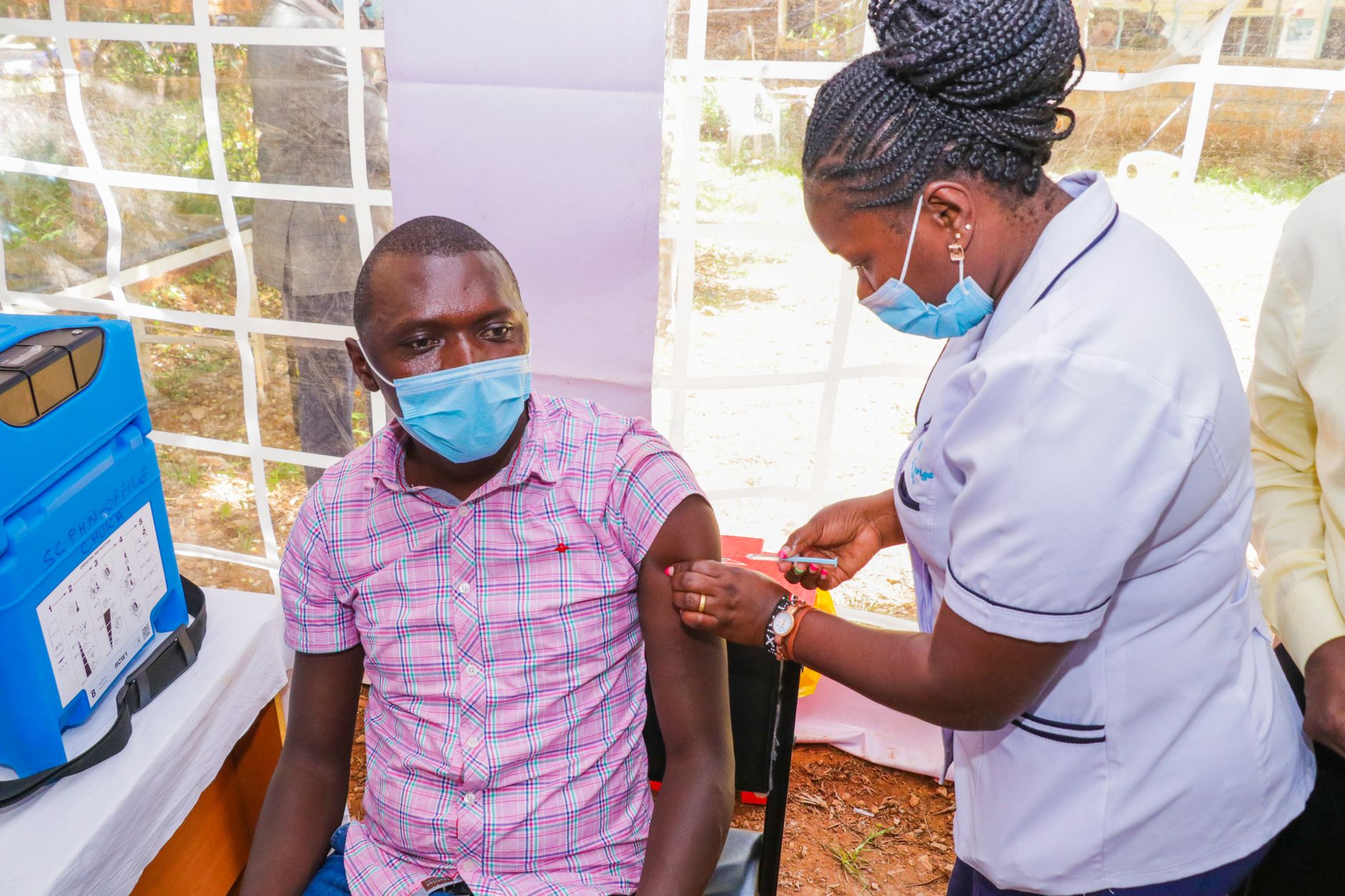
In the heart of Central Africa, the Democratic Republic of the Congo (DRC) finds itself grappling with a relentless adversary: the Ebola virus. Recently, both the Africa Centres for Disease Control and Prevention (Africa CDC) and the World Health Organization (WHO) have sounded the alarm, urging for a vigorous, community-led response to stem the tide of this lethal outbreak.
As of now, more than 4,000 cases have been confirmed, making this the second-largest Ebola outbreak in recorded history. The stakes are high, and the need for swift action is paramount. Dr Jean Kaseya, director general of the Africa CDC, emphasised the importance of local involvement in a press briefing, noting that community engagement is critical to effective early detection and contact tracing.
The situation in the DRC is precarious, as the virus knows no borders and threatens to spill over into neighbouring countries. While international aid and expertise are crucial, the focus is firmly on empowering local communities to take charge of the response. By enhancing grassroots participation, health officials hope to curb the spread of the virus through rigorous monitoring and public awareness campaigns.
However, the challenge is not merely logistical. The DRC's complex socio-political landscape adds layers of difficulty to the efforts. Political instability and mistrust of health interventions have historically hampered response efforts. Thus, rebuilding trust and fostering cooperation within communities are as vital as the medical interventions themselves.
Global health leaders have called for increased international cooperation, emphasising that containment in the DRC is crucial to prevent the virus from becoming a broader regional crisis. The urgency of the situation cannot be overstated, as the international community watches closely, ready to lend support.
In conclusion, while the path ahead is fraught with obstacles, the call for community-led action represents a beacon of hope. By galvanising local efforts and strengthening international partnerships, there is a fighting chance to contain this formidable outbreak and prevent further loss of life.