Urgent Community Action Needed to Tackle Ebola in the DRC
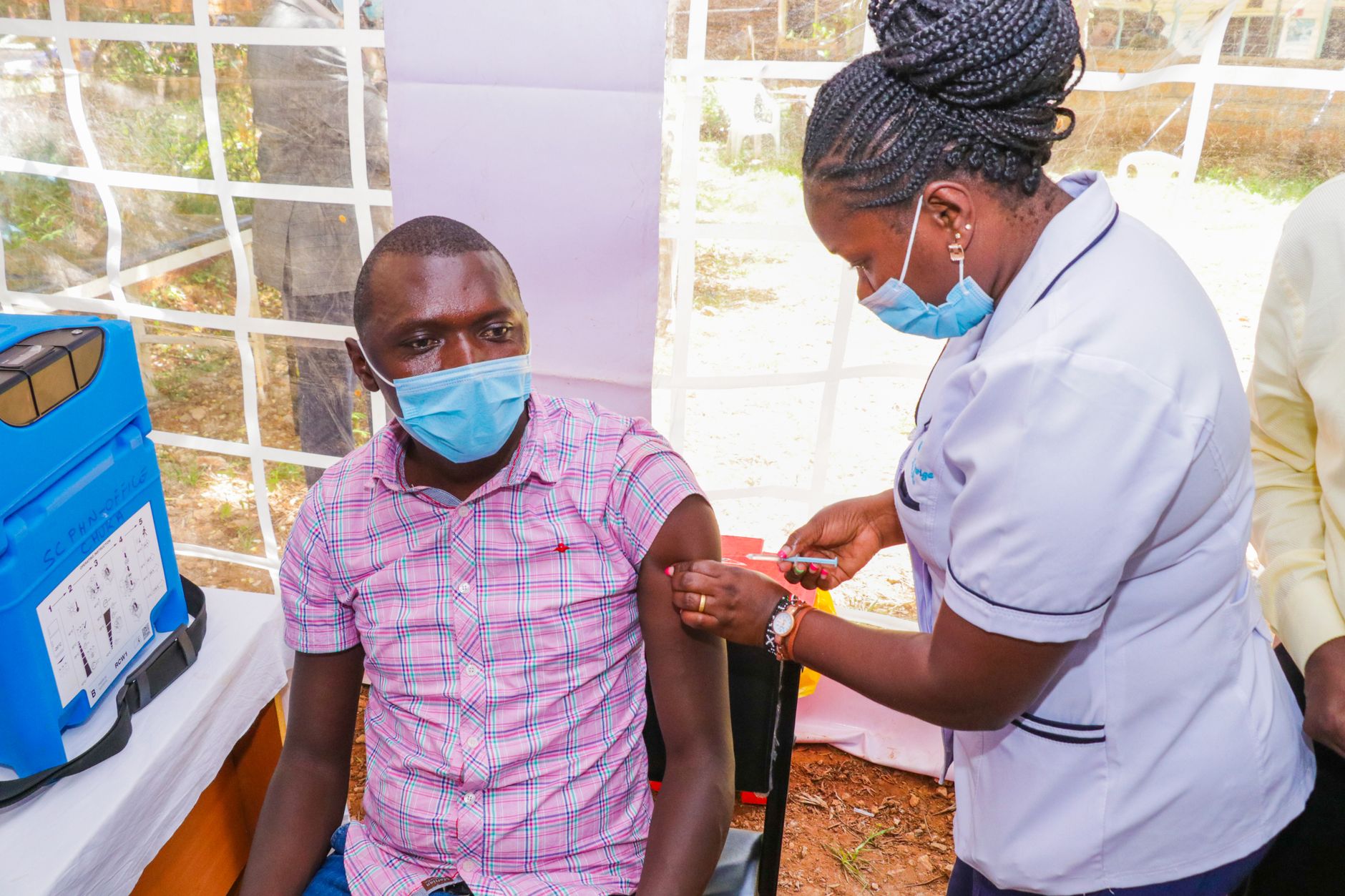
In a stark warning from health authorities, the Democratic Republic of the Congo faces a critical juncture in its battle against Ebola. With the virus continuing its rampage, the Africa Centres for Disease Control and Prevention (Africa CDC), alongside the World Health Organization (WHO), has stressed the need for an urgent, community-led response.
Despite robust efforts, over two-thirds of Ebola fatalities are occurring in the community rather than within the confines of treatment centres. This alarming statistic underscores the gaps in early detection and contact tracing, both of which are crucial for curbing the spread of the virus.
Community Engagement: A Crucial Component
Health experts argue that community engagement can significantly bolster the response. By involving local leaders and healthcare workers, communities can improve their surveillance mechanisms, ensuring that potential cases are identified swiftly and accurately.
Dr. John Nkengasong, Director of Africa CDC, reiterated the importance of community involvement: "We must empower communities to lead the response. They are on the frontline and have the local knowledge needed to identify and isolate cases effectively."
Challenges in Implementation
Yet, the road to an effective community-led strategy is fraught with challenges. In Bunia, the capital of Ituri province and the epicentre of the outbreak, many patients admitted to treatment centres do not feature on official lists of known contacts. This discrepancy highlights a critical failure in the existing contact tracing efforts.
Moreover, logistical issues, such as limited access to remote areas and insufficient healthcare infrastructure, further complicate the response. These hurdles must be addressed to ensure that the community-led initiatives are successful.
International cooperation is also pivotal. As the virus threatens to spill over into neighbouring regions, global health leaders are calling for enhanced collaboration and resource sharing to contain the outbreak.
In this precarious moment, the call for a community-led response is not just a strategy but a necessity. As the DRC battles to bring the Ebola crisis under control, the involvement and empowerment of local communities could very well be the decisive factor in turning the tide.