U.S. Cities Demand FIFA Pay Up for World Cup Hosting Promises
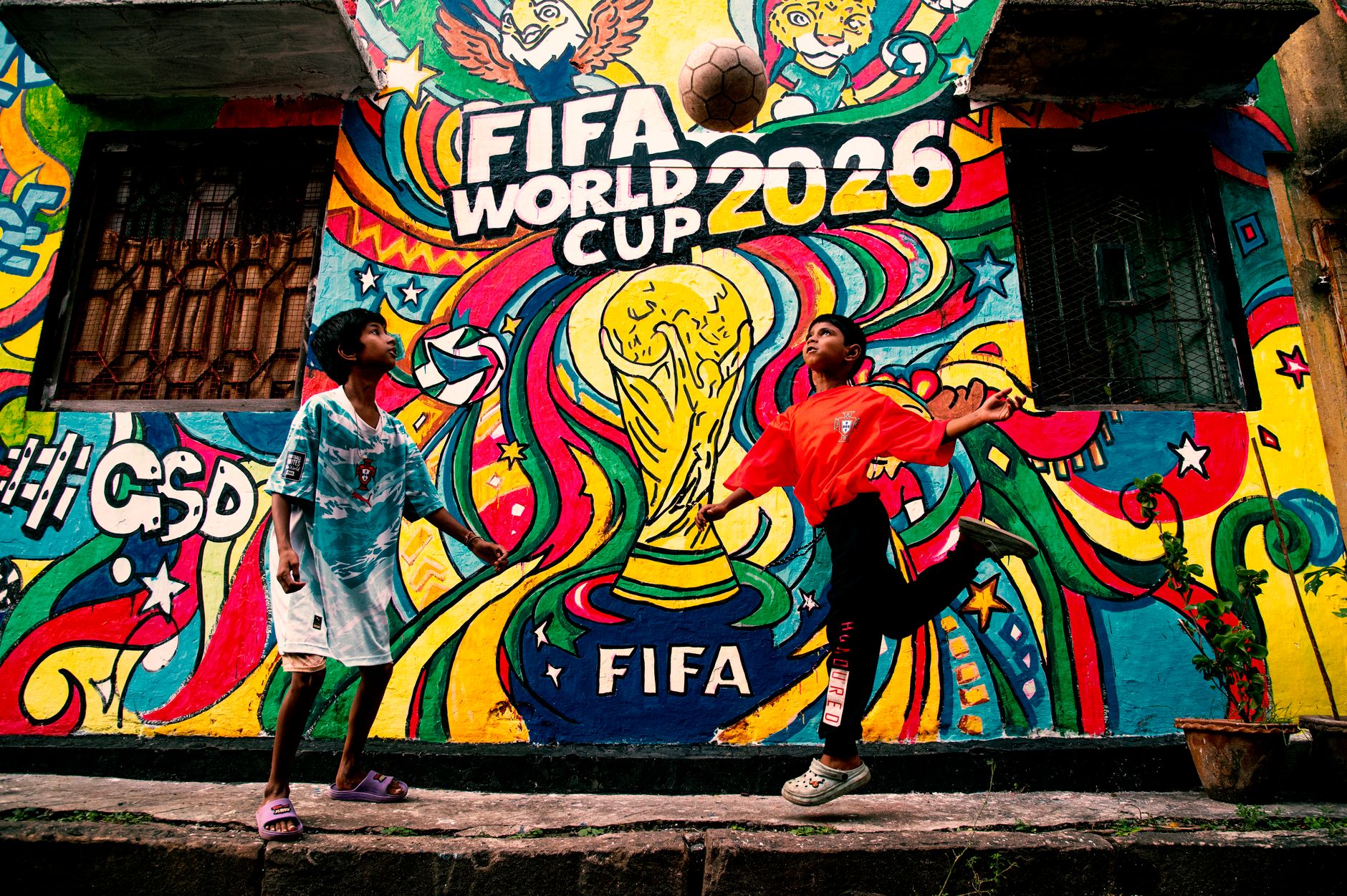
As the dust settles on the 2026 FIFA World Cup, a new controversy has emerged that threatens to overshadow the memories of spectacular goals and vibrant fanfare. In the aftermath, several U.S. cities are demanding that FIFA deliver on a promise they say was made: a $1 million 'legacy contribution' for hosting World Cup matches.
During the bidding process, these cities were reportedly assured by FIFA of the financial windfall. The funds were to be used to bolster local football infrastructure and community programmes, thereby leaving a lasting legacy long after the final whistle had blown. Yet, months have passed since the tournament concluded, and the anticipated cheques have yet to materialise.
The situation has left city officials disgruntled. "We were led to believe that this contribution was a firm commitment," said an official from one of the host cities. "It was a key factor in our decision to take on the enormous task of hosting World Cup games."
Financial Strain and Public Pressure
Hosting the World Cup is a costly affair. Cities incur substantial expenses in upgrading stadiums, enhancing public transport, and ensuring security. The promise of financial contributions from FIFA was seen as a crucial cushion against these expenditures.
Public sentiment is also a factor. Local communities, initially enthusiastic about the global spotlight, are now questioning the benefits they were supposed to reap. "We opened our city to the world," added the official, "and we deserve to see the commitments honoured."
FIFA's Response
FIFA, for its part, has been reticent in its public statements regarding the issue. A spokesperson acknowledged the situation but refrained from committing to any timeline for disbursement. The organisation's silence only adds to the frustration of the host cities.
This scenario underscores a broader issue: the financial complexities of hosting major sporting events. While the glamour and global attention are undeniable, the economic reality can be sobering. For the U.S. cities involved, the resolution of this financial imbroglio will determine whether their World Cup experience is remembered as a triumph or a cautionary tale.