US Cities Press FIFA for Unpaid World Cup Promises
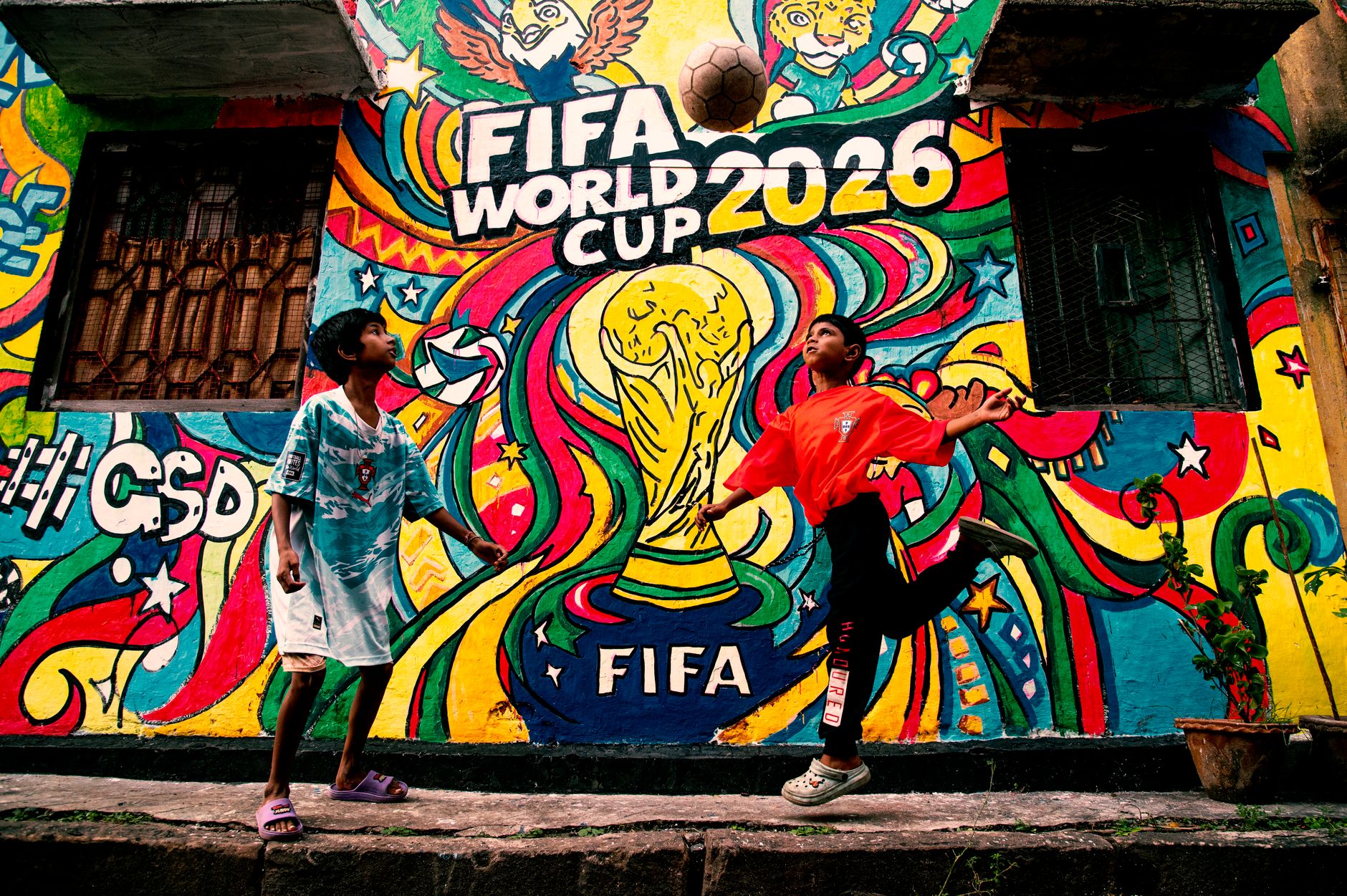
In the wake of the 2026 World Cup, a footballing spectacle spread across eleven cities in the United States, a financial tug-of-war has emerged. Host cities, once bustling with the fervour of international football, are now engaged in a less glamorous pursuit: chasing FIFA for millions of dollars they claim were promised but remain unpaid.
These cities, including such diverse locales as Seattle, New York, and Miami, argue that FIFA pledged a 'legacy contribution' of $1 million to each, a gesture meant to acknowledge the financial and logistical burdens undertaken to host the event. Yet, according to reports, these funds have not been disbursed.
The Promise and the Pursuit
FIFA, the global governing body of football, under the leadership of President Gianni Infantino, had announced these contributions as part of a broader commitment to support host cities. The idea was to leave a positive impact long after the final whistle. However, the lack of follow-through has left city officials questioning the integrity of these assurances.
Local governments had mobilised significant resources to accommodate the influx of fans and infrastructure demands. The anticipated financial support was not just a promise but a financial necessity to balance the books post-tournament. The absence of these funds now places many cities in a precarious situation, straining budgets already stretched by the pandemic and other civic demands.
The Financial Complexities of Hosting
Hosting a World Cup is a double-edged sword. While it promises global attention and potential economic benefits, the immediate costs can be staggering. Cities invest heavily in stadium upgrades, transportation improvements, and security measures, expecting returns in tourism and international goodwill.
The current predicament serves as a cautionary tale about the financial dynamics of hosting international sporting events. It raises pertinent questions about the promises made by organisations like FIFA and the actual benefits to local communities.
As negotiations continue, the affected cities hope for a resolution that honours the commitments made. For now, this saga remains a stark reminder of the complex interplay between global sporting events and local governance.